Most rescue dogs don’t get adopted because someone had a plan. They get adopted because someone walked into an animal shelter already carrying something they hadn’t said out loud yet, and the dog in the last kennel looked like it might actually help.
Research from the Human Animal Bond Research Institute confirms that pet companionship measurably reduces loneliness and lifts happiness — proof that pets have been doing this specific job long before anyone thought to study it.
These 12 real moments show that real compassion rarely needs the whole story first. It just needs someone willing to sign the adoption papers for whatever’s already standing right in front of them.
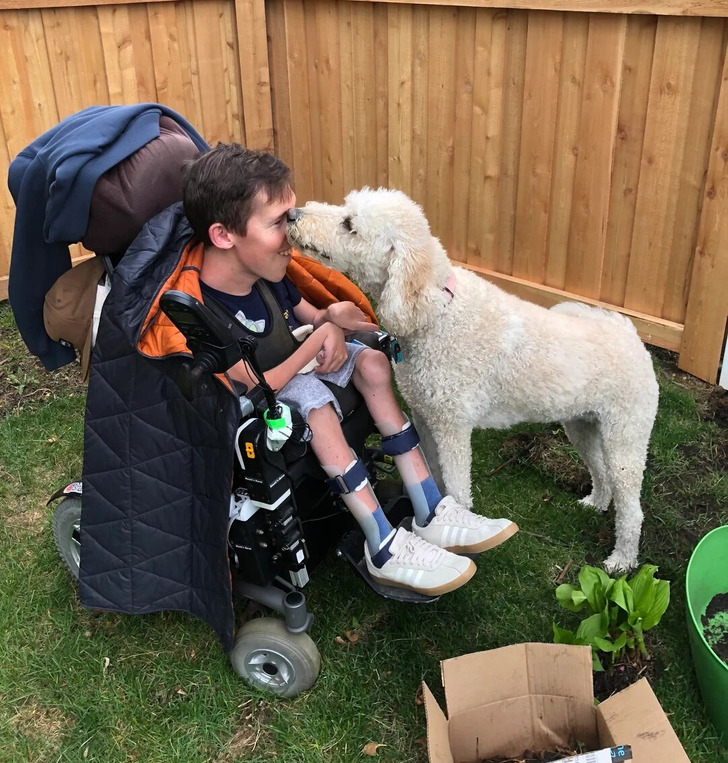
“I taught Chloe to stand on my wheelchair’s feet rests, now all she wants to do is give me kisses.”



- My dad lost my mom in March and told me, repeatedly, that he was managing fine — a specific kind of “fine” that meant he’d stopped cooking real meals and started leaving the television on overnight just to hear another voice in the house. I drove him to the animal shelter in April, ostensibly “just to look.”
He left with Baxter, an eight-year-old rescue dog surrendered when his previous owner moved into assisted living.
Six months into the adoption, he told me something I hadn’t expected: “I talk to him more than I talked to anyone all last year. He doesn’t mind that half of it is really for her.”
Baxter sleeps on the side of the bed that used to be empty. Dad cooks real meals again, mostly because a dog that size needs a real dinner schedule. The adoption paperwork took twenty minutes. What it actually gave him took considerably longer to understand.
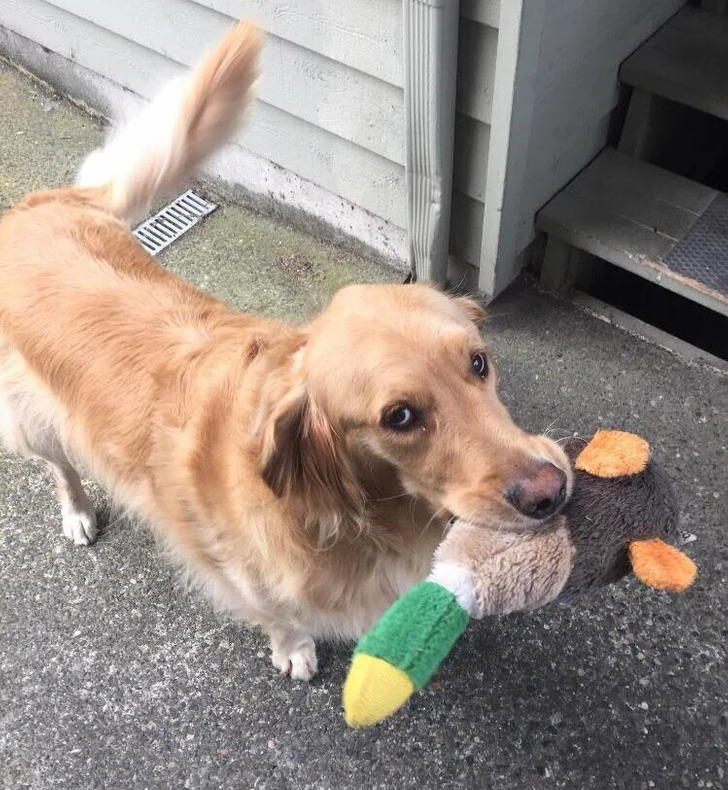
“This is Jasper. He is my neighbor’s dog. I can’t leave the house much due to health issues, so anytime he sees me he RUNS back inside his house to bring me back out one of his favorite toys. Today was his duck. His record is 3 toys and a stick, all at once. What a champ. Be like Jasper.”

- Mia was seven when her family lost their home in a flood that took most of what they owned, including the family cat who never made it out — a fact she mentioned to precisely nobody for months.
A local animal rescue group running a post-disaster support program brought a litter of kittens to the community shelter where displaced families were staying.
Mia chose the smallest one, a gray kitten with one white paw, and didn’t speak for the first ten minutes of holding her.
Her mother told the volunteer afterward: “She hasn’t cried about the cat we lost. Not once. I think this was the version of crying she actually needed to do.”
The kitten, now named Patch, sleeps in Mika’s lap every night in their new apartment.
Notice something: nobody in these stories asked for help. Dad called himself “fine.” Mia said nothing for months.
That’s how struggling people actually behave — they rarely ask for what they need. If someone in your life keeps saying they’re fine, the honest move isn’t asking again. It’s offering something sideways, and letting them accept it without having to explain why.
- My brother went missing for eleven days on a hiking trip before search teams found him disoriented but alive, three ridgelines from where anyone expected — alive because a hiker’s off-leash dog had refused to stop barking at a specific outcropping until someone finally investigated.
The dog belonged to no one in particular; he’d been informally adopted by the whole trailhead community, with the county’s animal welfare office aware of the arrangement for over a year but never intervening, since he was clearly well cared for.
After the rescue, I tracked down the dog’s usual feeding rotation and asked how I could help. The answer surprised me: “Just make it official. He’s been everyone’s dog and nobody’s dog for three years. Somebody should finally sign the paperwork.”
My family completed the formal adoption the following month.
In this case, compassion arrived four legs first and about eleven days ahead of the actual rescue team.
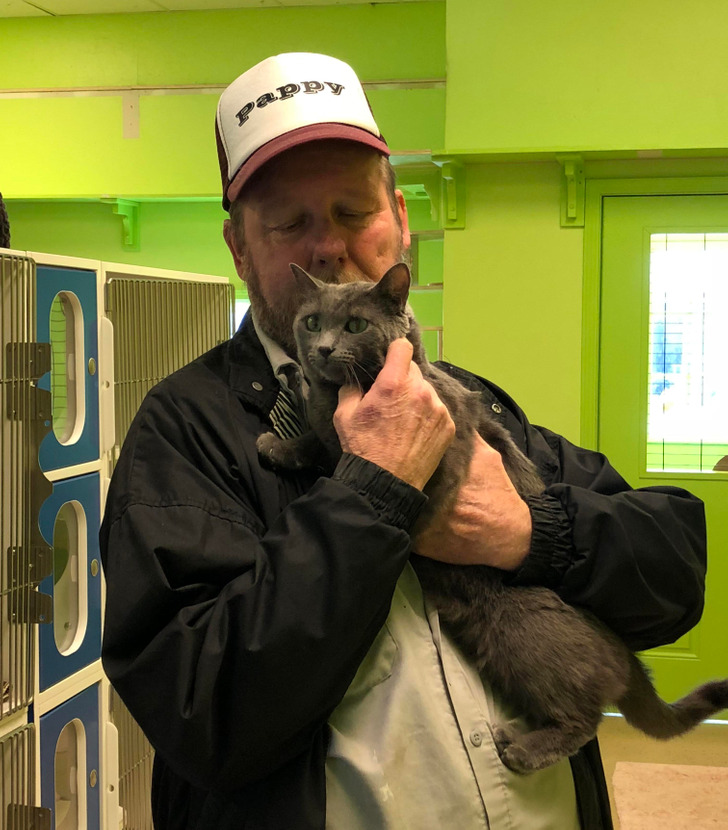
“My dad has been widowed for almost 5 years. Today he adopted a new furry companion.”

- Delphine was mid-treatment for a serious illness when her sister suggested fostering, gently, as something to fill the specific kind of hours that treatment schedules leave hollow.
The animal shelter paired her with a senior rescue dog recovering from his own surgery, both of them, the coordinator noted, “on a very similar recovery timeline.”
Delphine told her sister months later: “We had the same bad days on the same days. I don’t know if that’s a coincidence or the whole point, but either way, I wasn’t doing recovery alone anymore.”
She adopted him permanently once both their treatments ended.
Also notice who moves first. Not the person in crisis — the sister, the daughter, the officer who comes back a third time.
The dog is never the first idea. A person willing to suggest it is. Offer first. Let them say no.
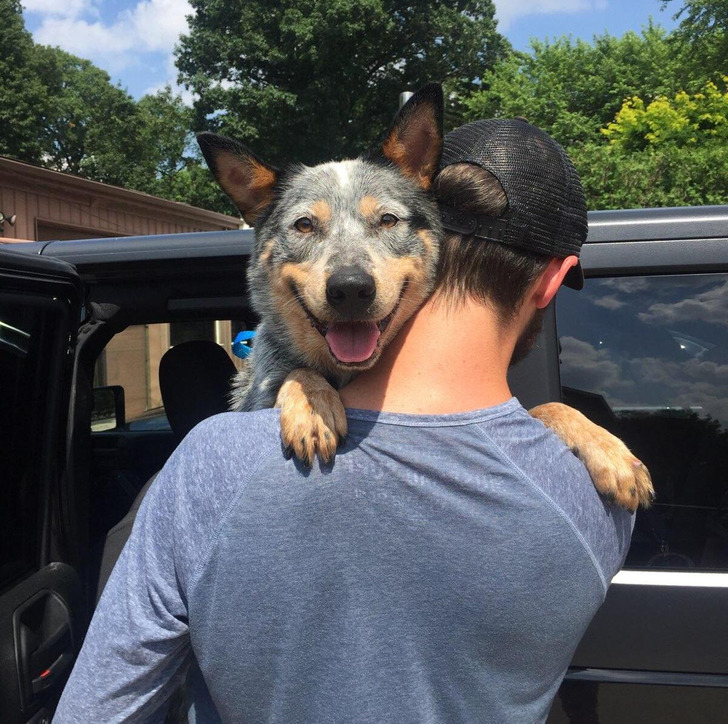
“I adopted this lil dude yesterday. He’s been in a shelter for his whole life, and he looks pretty happy to go to his first home.”

- I hadn’t left my house much in six years, not since my wife passed, and I told the animal welfare officer doing a routine wellness check that I “didn’t need any of that” when she mentioned the county’s pet-matching program for seniors.
She came back anyway, three weeks later, with a photo of Duke — a twelve-year-old mixed-breed among the dogs least likely to be chosen at the shelter, both of us, in her words, “running out of people willing to bet on us.”
I looked at the photo for a long time before saying, “He’s older than most of the dogs there, isn’t he.” She said yes. I said, “Good. I don’t have the energy to train a puppy anyway.”
Duke moved in that weekend. Real kindness, from a woman who understood that “I don’t need help” and “I need exactly this specific kind of help” often come out of the same mouth, sometimes in the same sentence.
- My sister and I hadn’t spoken after a disagreement about our mother’s estate that neither of us could fully explain anymore, just the residue of it, still standing.
Our mother, before she’d passed, had fostered dozens of kittens through a local animal rescue group — the same animal rescue group that still runs the community’s post-disaster shelter program today — a fact I only discovered when the group contacted our family asking if anyone wanted to continue the tradition using her old foster kit, still sitting in a closet.
I called my sister for the first time in months to ask, simply: “Do you want to do this together? I don’t think either of us should do it alone, and I don’t think Mom would want us fighting over who gets the box of blankets.” We fostered our first litter together within the month.
- The county’s oldest animal welfare officer retired after thirty years, and at her farewell gathering, someone had the idea to invite back every family who’d ever adopted through her.
Over two hundred people came, most bringing the now-grown dogs and cats she’d personally matched to them.
She told the crowd: “I always thought my job was finding pets homes. Standing here, I think it was actually the other way around the whole time — you all found me a reason to keep showing up for thirty years.”
Compassion, and thirty years of quiet adoption paperwork, turned out to be building something considerably larger than any single match could show on its own.
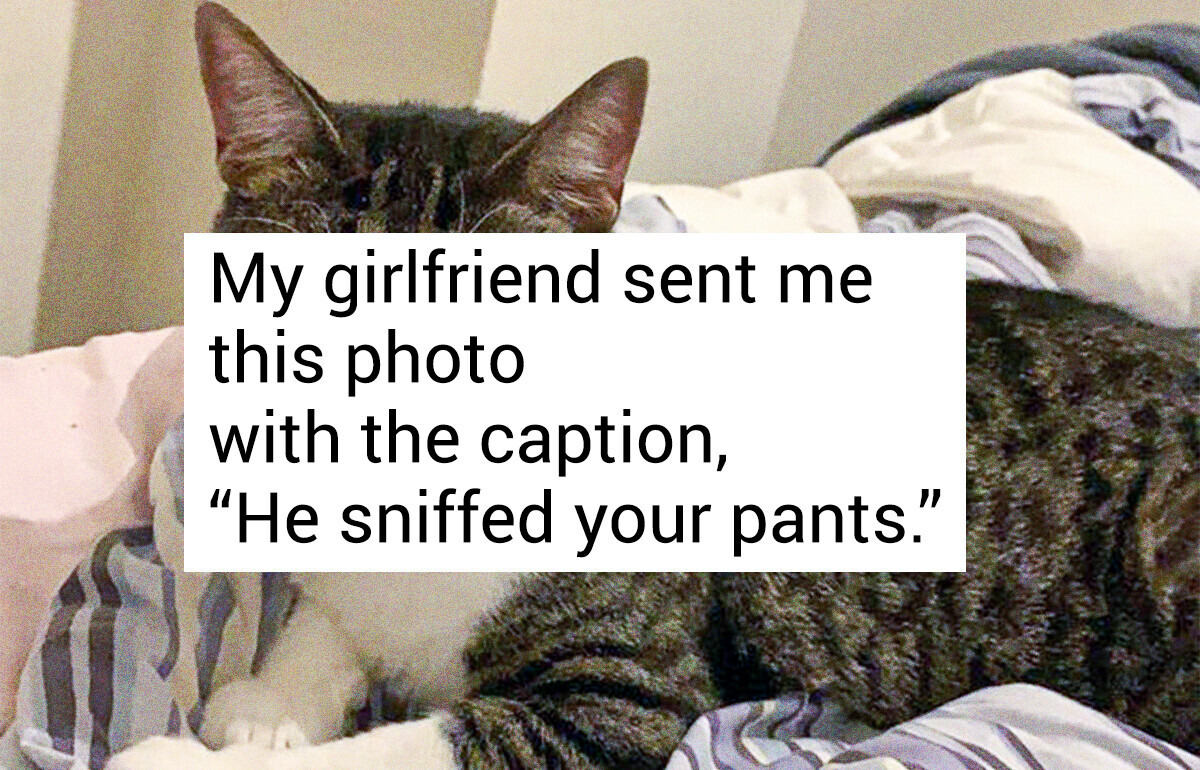
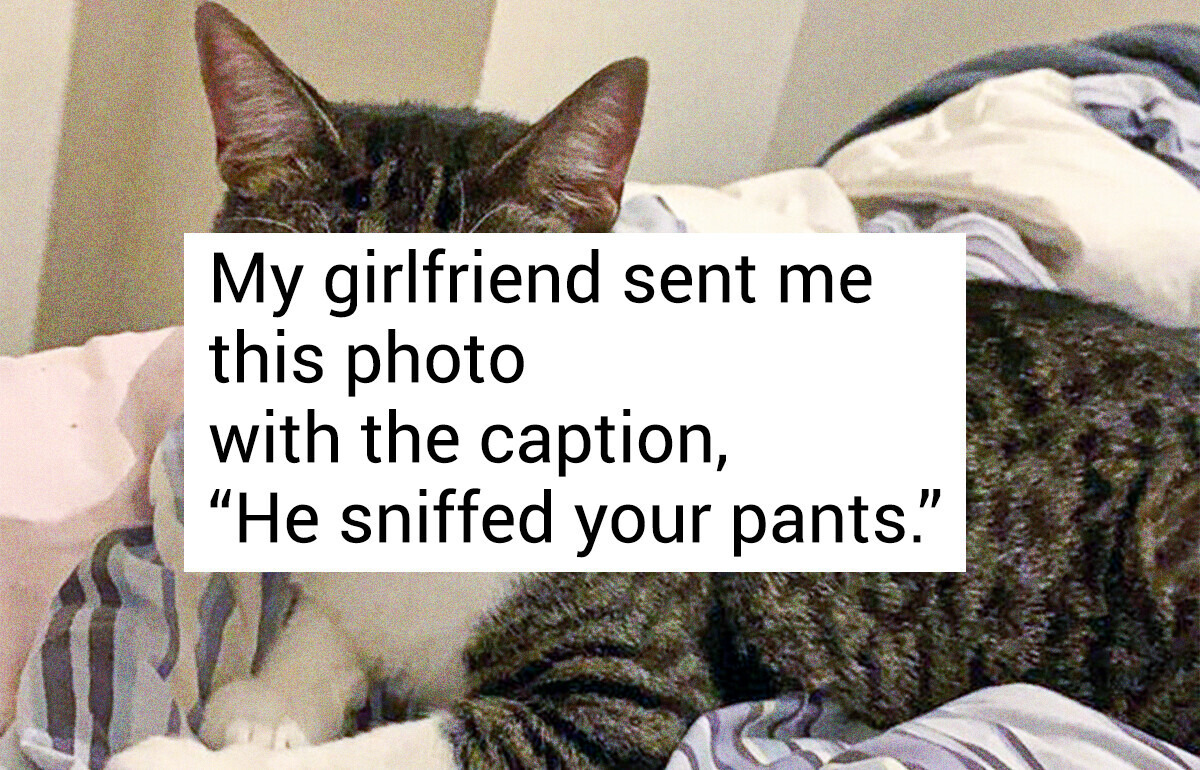
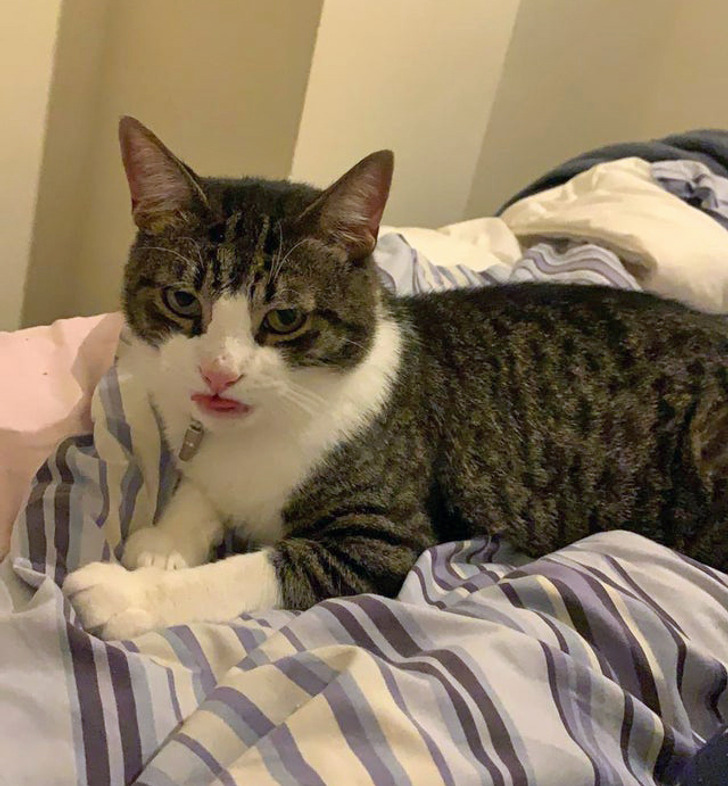
“My girlfriend sent me this photo with the caption: ’He sniffed your pants.’”

Every heavy heart in this article found something that didn’t ask it to explain itself first. Kindness rarely needs the full story before it shows up; it just needs someone willing to offer what’s actually available.
Which animal shelter pet in your own life showed up exactly when you needed it, even if you never quite admitted that out loud?
Comments
Lucky you! This thread is empty,
which means you’ve got dibs on the first comment.
Go for it!