Scandinavian homes are built to endure long, cold winters without relying on central heating. The region’s climate demands practical, energy-efficient solutions. These methods have become widely adopted across northern Europe. Source: idealhome.co.uk.
Insulation
Thick insulation is a cornerstone of Scandinavian winter homes. Walls, roofs, and floors are insulated to reduce heat loss.
Insulation materials like mineral wool and cellulose are common. They are effective at trapping heat and maintaining indoor temperatures.
Homeowners often use a combination of materials. This layered approach ensures consistent thermal performance. It also helps prevent condensation and moisture buildup.
Draught-proofing
Draughts are a major source of heat loss. Scandinavians seal gaps around windows, doors, and floorboards.
Sealing is done with weatherstripping, foam, or tape. These materials are easy to install and effective in winter.
This shows a tangible benefit of simple fixes.
Sealing in Heat
Heat escapes through poorly sealed spaces. Scandinavians use a holistic approach to retain warmth.
They close doors between rooms, use thick curtains, and cover windows with thermal films. These actions create a more stable indoor environment.
Even small changes add up. Over time, these practices reduce reliance on mechanical heating systems.
How These Methods Work Together
Insulation, draught-proofing, and heat sealing are not isolated practices. They form a system that works in tandem.
For example, a well-insulated wall still loses heat if gaps exist at the window. Sealing those gaps improves performance.
Homeowners in Norway and Finland have reported consistent indoor temperatures with minimal heating. This demonstrates real-world effectiveness.
Why It Matters
These methods reduce energy consumption. They also lower utility bills and environmental impact.
Central heating is expensive and often inefficient. Alternative solutions offer a sustainable path forward.
As energy prices rise, such practices become more valuable. They support long-term cost and environmental goals.
Limitations and Open Questions
Not all homes can be retrofitted easily. Older buildings may lack space or structural integrity for insulation.
Some materials require professional installation. This can increase upfront costs.
There is limited data on how these methods perform in extreme weather. More research is needed for full understanding.
What to Watch Next
As climate conditions shift, the effectiveness of these methods may change. Future studies could assess performance in warming winters.
Government policies may also influence adoption. Incentives for insulation could expand access to these techniques.
For more on energy-saving home design, see our guide on central heating essentials. Explore how central heating works.
Learn about practical energy-saving tips for homes. Read more.
Discover how to keep an older home warm without central heating. Find out how.
Sources & further reading
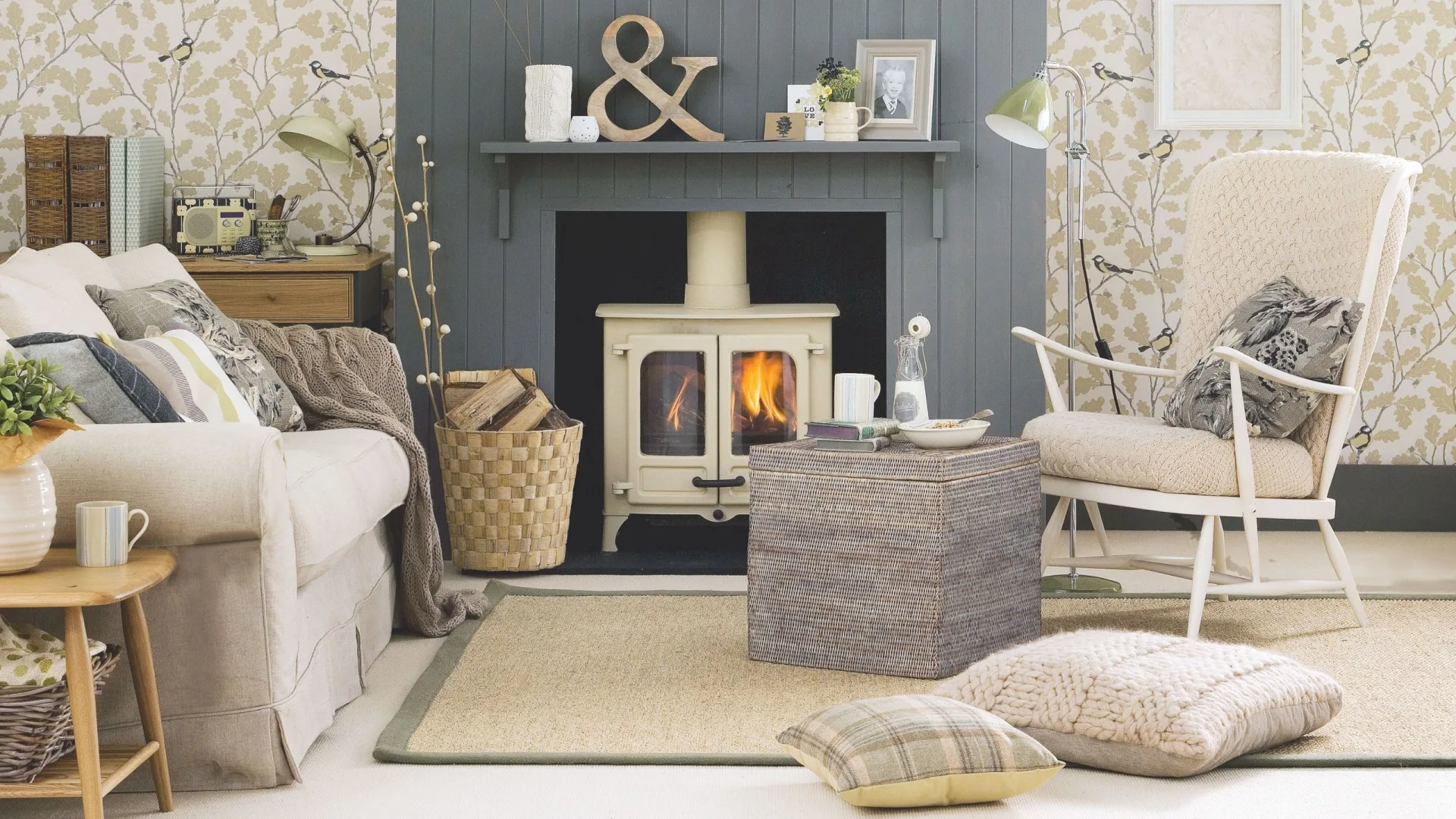
Featured image: Cream log burner in with a blue-grey panelled surround in a light coloured living room, with patterned wallpaper. Via original publisher. Image source