Feeling stuck in your routine? You’re not alone. Many people switch workouts when they get bored—thinking a new program will bring fresh motivation. Source: nerdfitness.com.
Why New Programs Feel Like a Reset
Trying something new is exciting. A new app, class, or challenge brings energy and novelty.
But this excitement often leads to a cycle: start a program, get bored, drop off, try something new, repeat.
Each new program feels like a fresh start. But most fitness goals require repetition to build real progress.
Progress Comes from Practice, Not Change
Getting stronger, running farther, or mastering a skill—all improve through consistent repetition.
It’s not about how many programs you try. It’s about how much you practice the same things over time.
When you repeat exercises, your body adapts. You get better at them. That’s how real progress happens.
As one fitness expert noted, ‘The body responds best to consistent patterns—not frequent shifts. It’s like learning a language: you don’t master it by switching textbooks every week. You build fluency through daily practice.’
Research in exercise science shows that neural adaptations—like improved motor patterns and muscle memory—develop over weeks of consistent practice, not through frequent changes in routine.
How to Level Up Without Starting Over
Instead of switching programs, focus on advancing one exercise at a time.
Keep the overall structure of your workout the same. Only change one element—like reps or weight—within that structure.
- Pick one key exercise from your routine.
- Set a target: e.g., do 12 reps with 25 pounds in 2 to 6 weeks.
- When you hit it, level up that exercise—add reps, increase weight, or try a new variation.
- Leave everything else unchanged.
This keeps your routine stable while still creating progress.
A Client’s Journey
A new client described how she bounced between strength training, running, yoga, and fitness apps.
Each new program felt like progress. But she felt frustrated—like she was constantly starting over.
After working with a coach, she began using a structured approach: one exercise with a clear, achievable target.
She stayed consistent. When she returned to training, she didn’t look for a new program.
She was excited to pick up where she left off—because progress had actually stacked up.
As she shared, ‘I used to think I needed a new program to feel motivated. But after a few weeks of focusing on just one thing, I realized I wasn’t losing progress—I was just building it slowly, step by step.’
What This Means for You
Enjoying variety isn’t a flaw. If you love switching routines, keep doing it.


But if you feel frustrated or stuck, try this instead:
- Choose one exercise in your current program.
- Set a realistic, time-bound target (2–6 weeks).
- When you achieve it, advance that exercise—without changing the rest of your routine.
- Repeat with the next target.
Progress doesn’t reset. It builds. And your routine stays consistent.
Why This Works
It maintains momentum. You don’t lose your progress when you skip a program.
It reduces decision fatigue. You don’t have to choose between new things every few weeks.
It creates a sense of achievement—because you’ve actually improved something real.
It’s simple. It’s effective. And it’s backed by evidence and real client experiences.
For more help getting started, take our Getting Started Quiz.
Want a coach to help set and adjust your level targets? Learn more about NF Coaching.
And for a real-world example of consistency, check out Michael Trucco’s home routine.
Limitations and Considerations
This method works best for people who already have a routine and are committed to consistency.
It may not suit those who need variety to stay engaged or who are recovering from injury.
It doesn’t replace the need for a coach or personalized guidance in some cases.
It’s not a solution for deep motivation gaps or emotional barriers to fitness.
It’s a tool—best used alongside other strategies like goal setting and habit tracking.
Ultimately, the goal isn’t to avoid change. It’s to make change meaningful and sustainable.
For instance, someone recovering from a shoulder injury might need to shift their focus entirely—this method isn’t designed for such cases. Similarly, individuals with mental health challenges may require more holistic support beyond physical progression.
Still, for most people, especially those with stable routines and clear fitness goals, this approach offers a practical, science-backed way to maintain momentum without the emotional toll of constant reinvention.
By focusing on incremental gains within a familiar framework, you build confidence in your ability to improve—without the pressure of starting over.
Sources & further reading
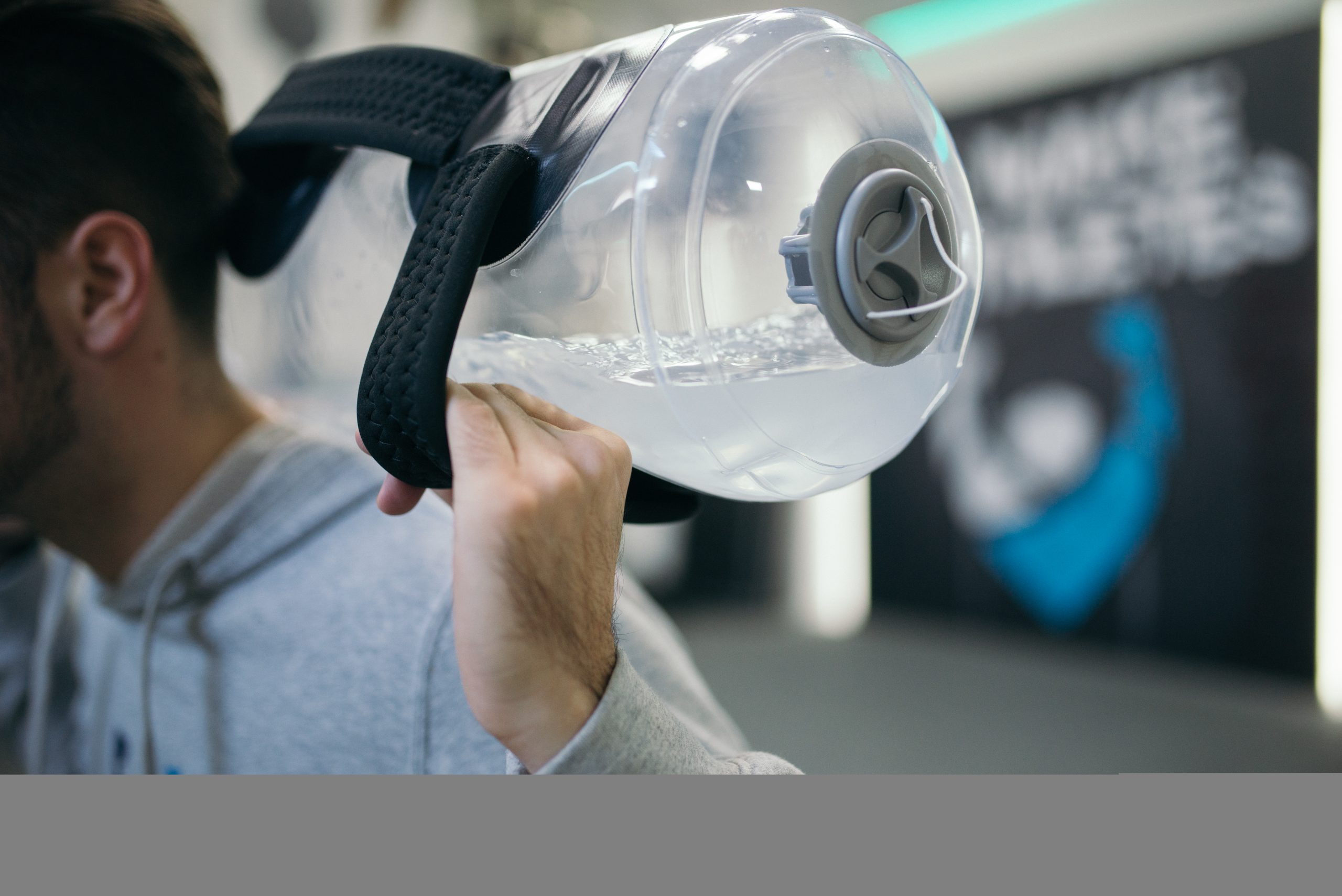
Featured image: Fitness enthusiast uses unique water jug for exercise in modern… by Shixart1985, CC BY 2.0, via Wikimedia Commons. Image source · License