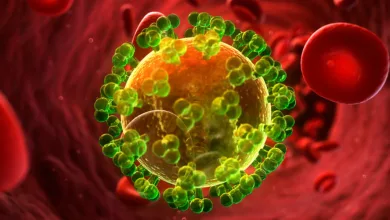
Scientists ran 100,000 simulations of comets striking Earth. The results challenge a long-held theory about how life began.
How Life Might Have Started on Earth
For over a century, scientists have considered that life on Earth began with organic molecules from comets. This idea—called cometary seeding—suggests prebiotic chemicals arrived from the outer solar system and settled on early Earth.
Comets are icy bodies made of dust, rock, and frozen gases. They form in the outer solar system. Hydrogen cyanide (HCN) is the only molecule found in enough quantity to be prebiotically relevant.
HCN helps form key life ingredients like amino acids, sugars, and nucleobases. Other molecules like cyanoacetylene and cyanogen have been found, but in much smaller amounts. Their role in early life is likely minimal.
What the Simulations Found
A team led by astronomer Richard Anslow from the University of Cambridge ran 100,000 simulations. They tested whether comets could deliver hydrogen cyanide to early Earth in a usable form.
The simulations matched Earth’s early history—when it faced about 100,000 comet impacts over millions of years. Each case checked if a comet could survive entry and deliver enough HCN to land.
- Most comets broke apart in Earth’s atmosphere. The heat and pressure destroyed their chemical cargo before it reached the surface.
- Some comets hit oceans. Any surviving HCN would be diluted by seawater. It would not support prebiotic reactions.
- Even when comets reached land, reactions would last only minutes to hours. That window is too short for life to begin.
Why the Results Are Surprising
Cometary seeding has long been a common idea in science education. The simulations show it was far less likely than thought.
Anslow says such an event would need a one-in-a-million chance. It would require the right speed, angle, and timing—plus perfect chemical conditions after impact.
Could Mars Be a Better Candidate?
Mars may be more suitable for cometary seeding than Earth. It has a thinner atmosphere. This reduces heat and drag during entry.
Simulations show Mars could have seen over five times as many successful deliveries as Earth. Its surface is more stable and less hostile.
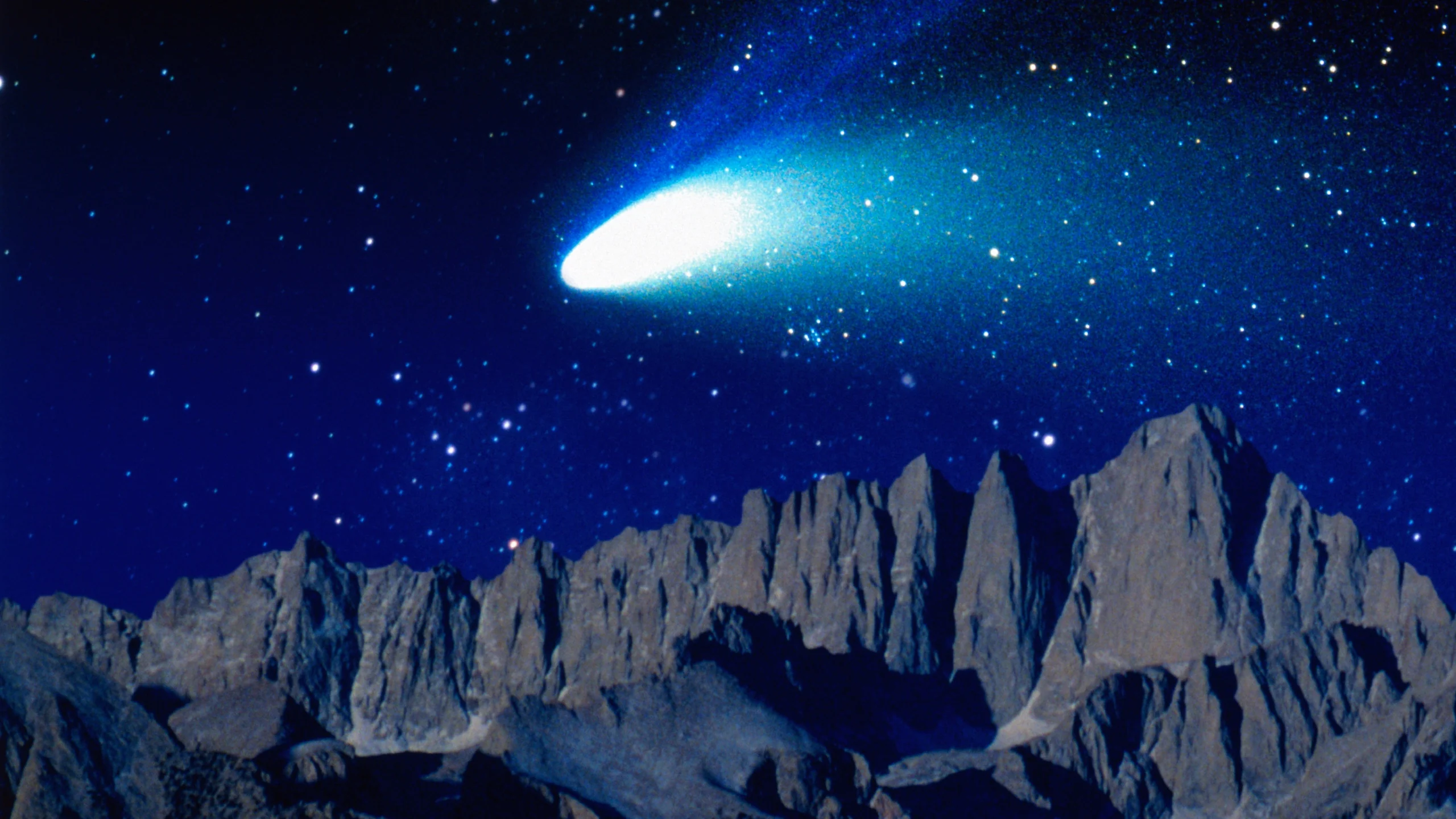
Venus: A Poor Fit
Venus has a thick, hot atmosphere. Even large comets would be destroyed before reaching the surface. No significant organic material could survive.
Limitations of the Study
The simulations don’t prove comets didn’t deliver life-seeding chemicals. They only show how likely such delivery was under current assumptions.
Other processes—like volcanic heat or deep-sea vents—could still spark life without comets.
What This Means for the Origin of Life
The results weaken the idea that comets seeded life on Earth. But they don’t rule it out entirely.
Life may have started through different pathways—like chemical reactions in oceans or under volcanic vents—without cometary help.
The findings are published in Scientific Reports.
ScienceAlert fact-checked the article by Rebecca Dyer and edited it by her.
For more on space science, visit the original source at sciencealert.com.
While the results are surprising, they don’t eliminate the possibility that comets played a role in life’s origins—just that it was far less likely than once thought.
Sources & further reading
Featured image: Scientists Ran 100,000 Simulations of Comets Striking Earth. The Results Are a Surprise.. Via original publisher. Image source
-

-

-

-