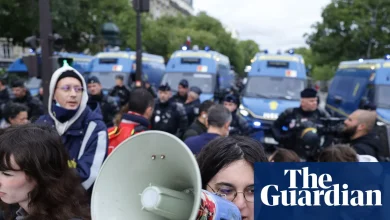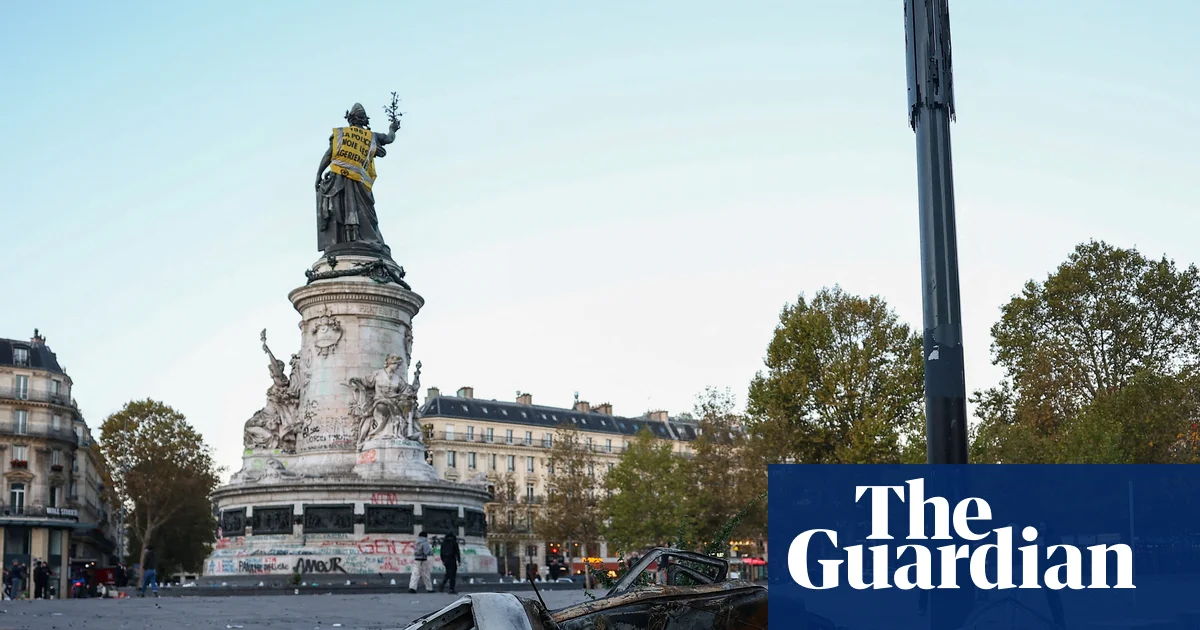
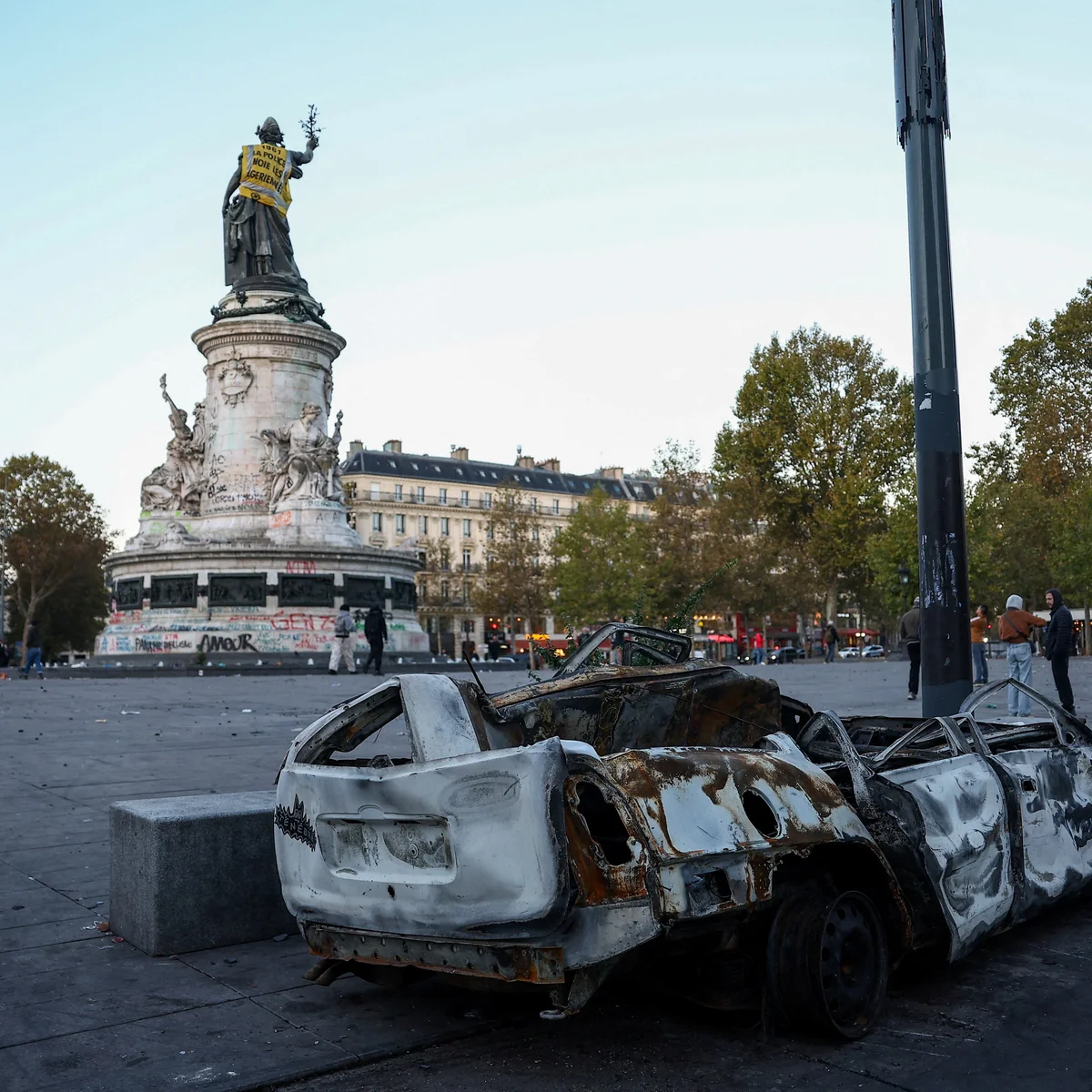
France is deploying about 70,000 police on Saturday to stop civil unrest. The move comes after some of the worst street violence in years erupted during cost-of-living protests last weekend. Source: theguardian.com.
Security Measures and Government Response
Interior Minister Laurent Nuñez confirmed elite counter-terrorism units will be included. These units are typically used for hostage rescues and high-risk operations.
Nuñez said the demonstrations are not peaceful. He told reporters: ‘We are not talking about a peaceful, friendly demonstration. We are ready tomorrow to be extremely firm and not tolerate anything.’
The operation includes 10,000 extra police. It also uses water cannons, armoured vehicles, mounted police, helicopters, and drones. These tools are meant to manage protests and stop violence.
Violence and Key Incidents
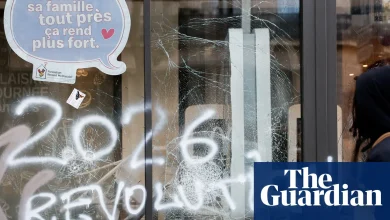
Violence spread in major cities. In Lyon, clashes near the central square caused injuries and damage. In Marseille, rioters attacked a supermarket, triggering a full police response.
In Limoges, the town hall was set on fire and partially destroyed. This rare act drew national attention and symbolized the scale of the unrest.
On Friday, a shooting occurred in Trappes, west of Paris. One person died and four others were injured, including a 12-year-old girl. Police say the attack may have been racially motivated, though no official confirmation exists.
Since Saturday, 217 people have been jailed. Half are first-time offenders. Justice Minister Gérald Darmanin confirmed the numbers. Many were not previously known to have criminal records.
Protest Restrictions and Public Backlash
Several cities banned demonstrations or limited routes to protect shops and public buildings. Paris allowed a union march in the east, between Place de la Bastille and Place de la Nation.
France’s main student union, UNEF, and the gilets jaunes movement both requested rallies. These were denied. The gilets jaunes plan 600 small events across France, mostly in rural areas.

UNEF said it would hold rallies anyway. It claims public anger over teacher shortages and poor facilities is growing. Several Paris cultural institutions, including the Louvre, will close on Saturday.
Union leaders criticized the government. Marylise Léon of the CFDT said: ‘It’s counterproductive because there is a lot of anger and a demand to be considered and to be listened to. It’s not for the president to decide who can legitimately protest.’
La France Insoumise accused the government of crossing the line between democracy and an authoritarian state. The party says such bans will only ‘generate more chaos’ and called for a public inquiry.
International Protests and Political Tensions
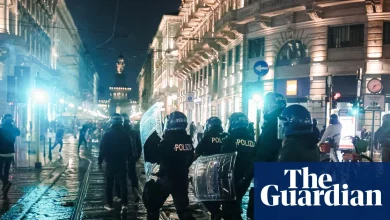
Protests are expected in Italy, Austria, Spain, and Portugal. These include Milan, Rome, Turin, Vienna, Madrid, Barcelona, Lisbon, and Porto.
These events stem from a continent-wide wave of discontent. People are angry about declining public services, housing costs, budget cuts, and rising living expenses.
Marine Le Pen, the far-right presidential frontrunner, is hosting her National Rally congress in Orléans. Nuñez was scheduled to visit to check security. The event draws thousands and faces opposition from leftwing and anti-racist groups.
Government and Public Reaction
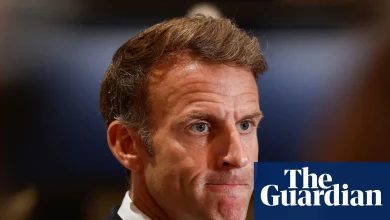
Macron blamed gangs for looting. He said ‘ultra-left’ groups caused the worst violence, aiming to ‘bring down the republic’. This claim has drawn skepticism from opposition figures.
Government officials admit they lost control. The crisis happened six months before the next presidential election. This timing raises concerns about public trust and stability.
Some leaders and unions have challenged protest bans in court. The legal process may deepen debate over state power and civil liberties during unrest.
The situation shows deep public frustration with economic and social policies. It also highlights tensions between state authority and civil liberties during crises.
Sources & further reading
Featured image: original publisher image. Via original publisher. Image source