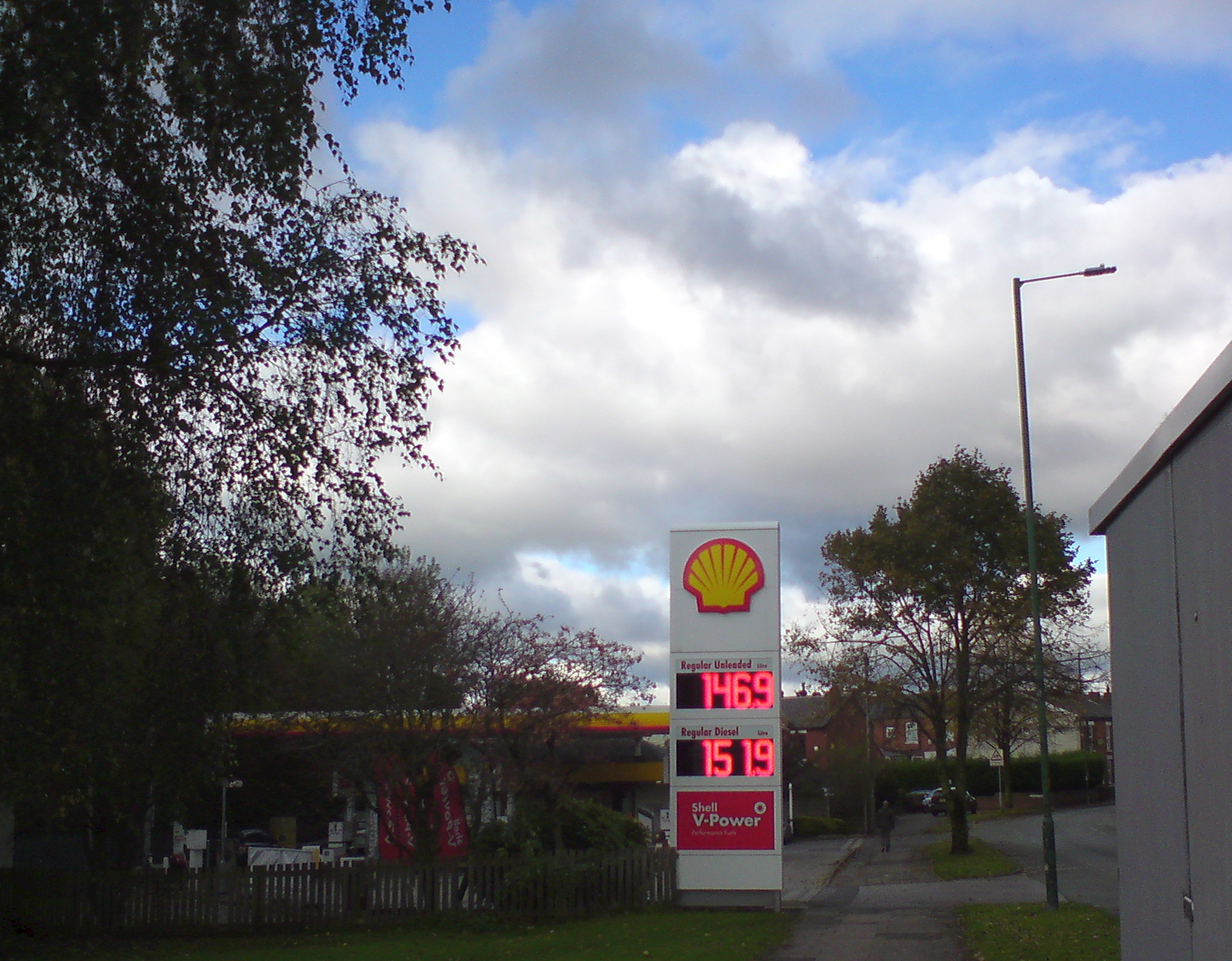
Jersey’s businesses are under growing pressure from rising fuel costs. Diesel prices recently exceeded £2 per litre, affecting operations across sectors. Source: bbc.co.uk.
What Businesses Are Facing
Construction firms like A&A; Scaffolding Solutions rely on diesel-powered machinery and vehicles. Rising fuel prices directly raise operating costs.
Kelly Keating said diesel hikes add to existing cost pressures. These include rising material, freight, and labour expenses.
Keating noted that construction margins are shrinking. Businesses can absorb only a few price increases before project viability is at risk.
Tree surgery firms such as Jonathan Le Maistre Ltd are also affected. Darren Hopkins said their operations depend on fuel-heavy machinery like chippers and stump grinders.
Higher diesel prices increase operating costs. This reduces job margins and may force cuts in services or closures over time.
How Fuel Duty Is Being Managed
Jersey froze fuel duty from 2023 to 2025. This provided temporary relief to households and businesses.
From 2026, duty rose with inflation. This reflected broader economic trends.
For 2027, the government proposes another freeze. This aims to stabilise real-term costs for consumers and businesses.
Deputy Lucy Stephenson initially called for reducing fuel duty. The plan was dropped after Treasury Minister Alan Maclean said it wouldn’t be targeted or fair.
Maclean said fuel prices are driven by global markets and geopolitical events. These are beyond Jersey’s control.
The government’s focus is on helping those most vulnerable—like low-income families and essential service providers.

Business Responses to the Freeze
A&A; Scaffolding Solutions welcomed the freeze. But it said it would offer only ‘limited relief’ if global prices keep rising.
The firm warns that cost increases add up. Each rise puts pressure on investment and future project viability.
Barette Plant Hire has managed the situation by adding fuel surcharges to hourly rates. Jeremy Phillips said this has helped so far.
But he warned that if prices keep rising, customers may stop projects. This could lead to lost revenue and reduced demand.
Why This Matters for the Economy
Rising fuel costs affect more than just daily expenses. They impact long-term economic health.
As fuel prices go up, firms face smaller margins. This can lead to less investment, fewer hires, and slower project development.
These changes may slow overall economic activity and limit job creation in Jersey.
What to Watch Next
Businesses will keep monitoring fuel price trends. If prices stay high, further cost adjustments may be needed.
Future support measures may need to be reviewed to match changing economic conditions.
For more on how fuel costs are affecting local enterprises, see North East Charities and Businesses Struggle with Soaring Diesel Costs.
For the original report, visit BBC Jersey.
Sources & further reading
Featured image: Fuel prices rising – geograph.org.uk – 7042850.jpg by Gerald England , CC BY-SA 2.0, via Wikimedia Commons. Image source · License