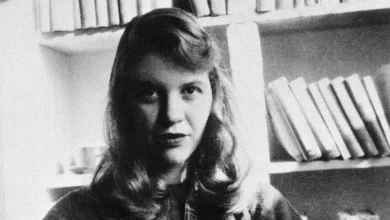
Sylvia Plath, one of the most influential poets of the 20th century, created her most celebrated work, Ariel, through disciplined writing habits. Despite facing severe depression, the end of her marriage, and the challenges of single parenthood, she maintained a consistent routine that allowed her to write through some of her darkest days. Source: mentalfloss.com.
Who Was Sylvia Plath?
Born in Boston in 1932, Plath showed a deep interest in writing from an early age. Her relationship with her father—a strict and emotionally distant figure—left a lasting impression. She often expressed in her writings the tension between emotional repression and the need for authentic expression.
After his death, she turned to poetry as a way to process grief and unresolved emotions. While studying at college, Plath began to experience severe depression, possibly linked to bipolar disorder. Writing became a vital tool for emotional processing.
Her novel The Bell Jar reflects these experiences, offering a semi-autobiographical portrayal of her struggles as a young woman. She once described it as a ‘mirror’ that allowed her to see herself clearly and a ‘shield’ that protected her from the weight of her inner world.
Life Changes and the Shift in Writing Habits
Before becoming a mother, Plath and her husband Ted Hughes followed a strict writing schedule. They dedicated four hours in the morning and two hours in the evening to writing. Plath treated writing like a craft, pushing herself to produce something every day—even if it was just a stanza.
This routine gave her a sense of control and continuity in a turbulent life. After Frieda and Nicholas were born, her daily schedule was disrupted. Parenting demands made it impossible to maintain her previous writing hours.
Yet, she refused to abandon writing, which had become central to her identity. In a private journal entry, she wrote that writing was not a luxury, but a necessity—’a way of staying alive when everything else feels like it’s falling apart.’
Plath’s Writing Routine for Ariel
Between October 1 and November 12, 1962, Plath wrote most of the poems that would become Ariel . She began each day by waking before dawn, writing from 4 a.m.
This pre-dawn time was intentional. The early morning offered quiet and uninterrupted focus. Her mind was most alert and receptive during these hours.
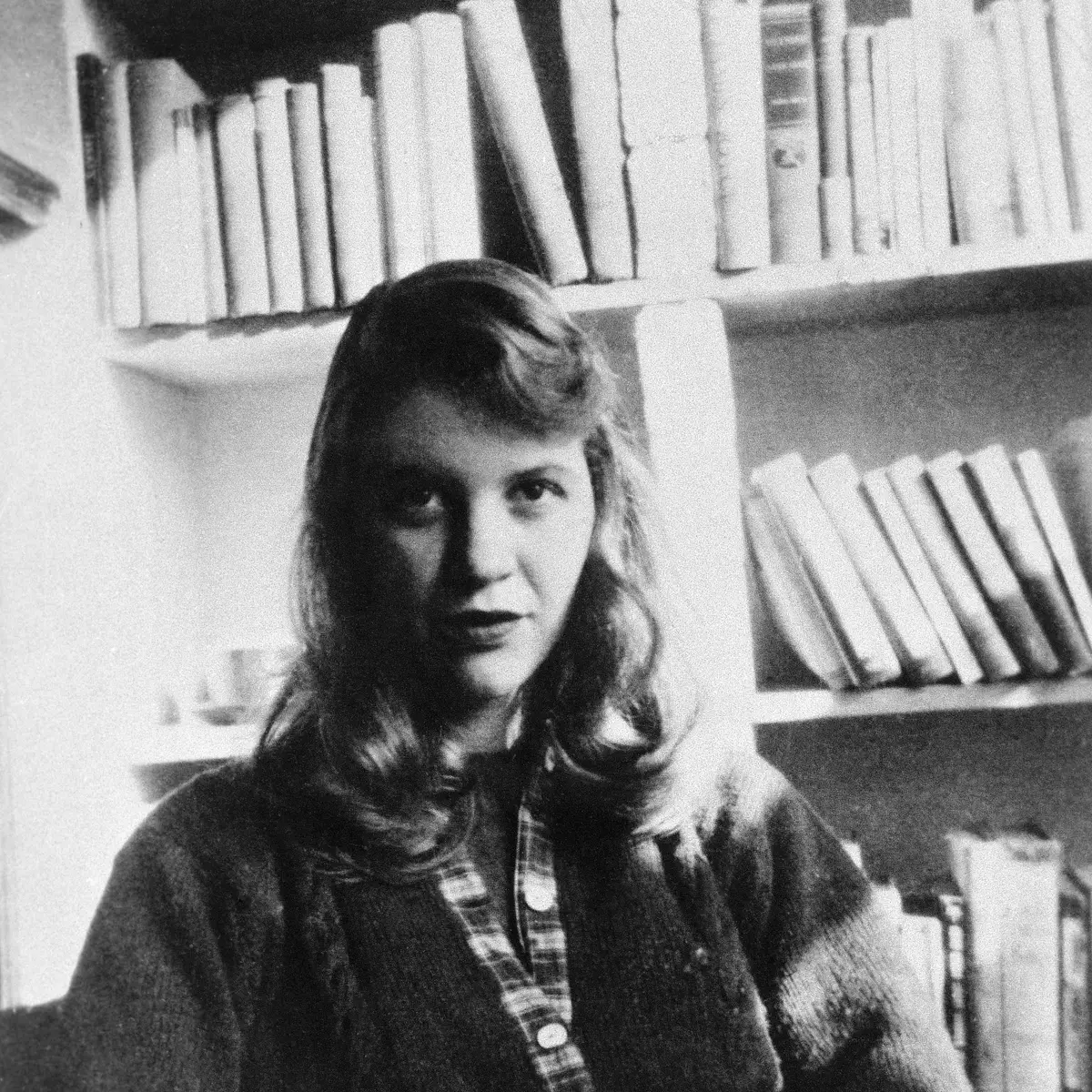
She compartmentalized her day: the early morning was entirely for writing. The rest of the day was devoted to parenting and daily responsibilities. In a letter to a friend, she wrote that this structure gave her ‘a window of time when the world is still asleep and the soul is awake.’
She described it as a sacred space, where she could step outside daily noise and return to her inner world. Writing gave her solace during her darkest moments. It provided a sense of purpose and emotional clarity.
Each poem was a response to her inner turmoil—her grief, loneliness, and fears of death. In a personal note, she wrote that writing allowed her to ‘say what I could not say aloud.’ Each line was a small act of defiance against silence.
After falling ill and missing morning writing, her depression intensified. On February 11, 1963, she died by suicide. Her work, especially Ariel, shows deep engagement with themes of death and emotional struggle.
These themes were not signs of despair, but expressions of emotional honesty and resilience. A close friend recalled that Plath once said, ‘I didn’t write to be famous—I wrote because I needed to breathe.’
Her writing habits were not about productivity. They were a lifeline. Without them, Plath may have lost her motivation. The cathartic nature of writing helped her endure difficult periods. Once that outlet vanished, her determination faded.
Her story shows how structured routines can support emotional resilience. Her habits weren’t a cure for depression, but a way to maintain a sense of self and purpose.
For readers, Plath’s journey shows that even in extreme hardship, consistent habits can sustain creativity and mental well-being. Her work remains powerful because it emerged from real, lived experience. Her legacy is not just in the poems she wrote, but in how writing served as both an emotional anchor and a form of self-preservation.
For more on Plath’s creative process, explore her ouija board sessions and their literary legacy.
Sources & further reading
Featured image: original publisher image. Via original publisher. Image source