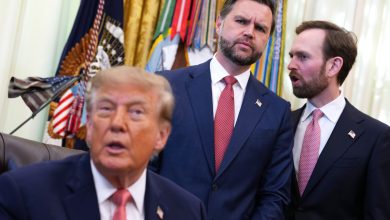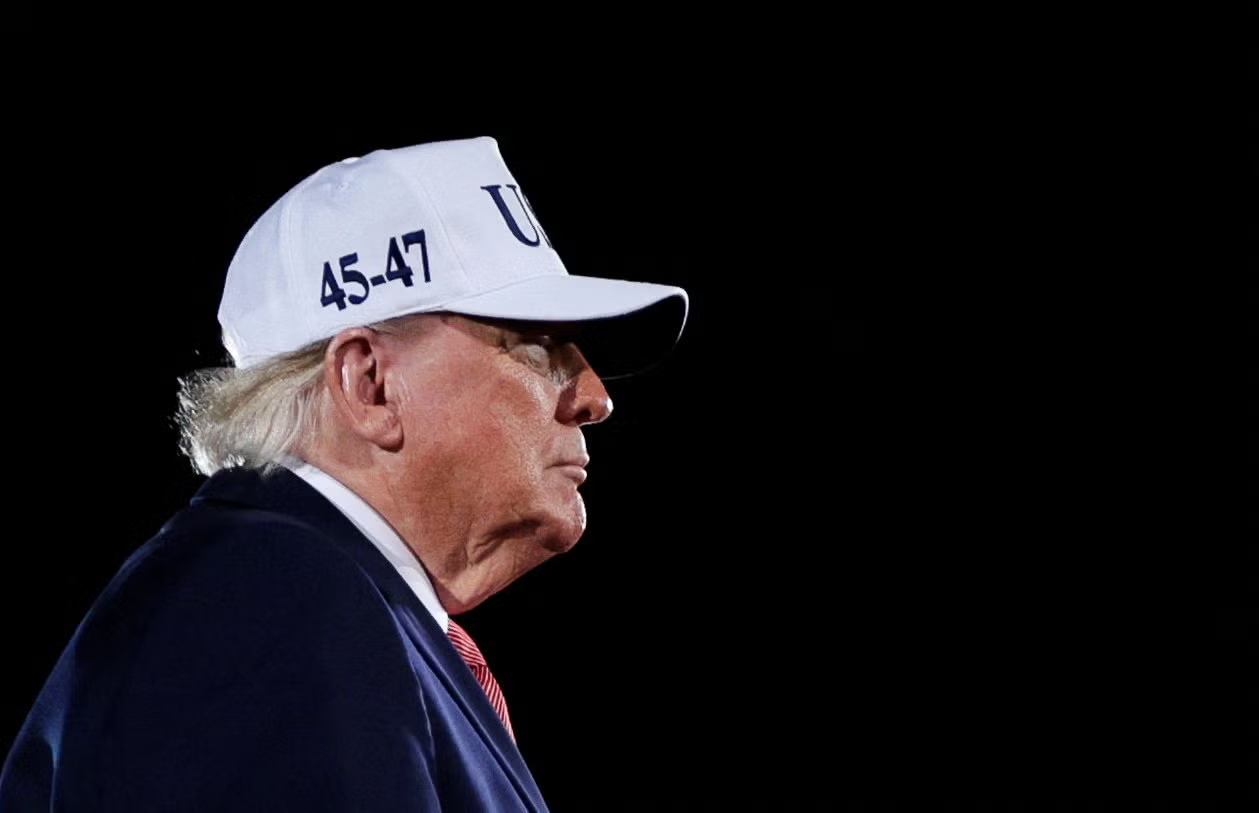
President Donald Trump’s campaign tours ahead of the November midterms have sparked internal debate within the Republican Party, revealing a deepening rift over the effectiveness and strategic value of his public appearances. Source: independent.co.uk.
Republican Strategists Divided
Some GOP operatives worry Trump’s public appearances are hurting the party’s chances. A strategist in Georgia told The Washington Sun: ‘He should stick to the White House. He should just stay there. All he’s doing is hurting Republicans.’
Another GOP official from Georgia said: ‘If Trump could come to Georgia every week, we’d invite him.’ This shows growing concern that Trump’s style alienates moderate voters and weakens appeal in swing states.
Democrats Welcome the Divisiveness
Democratic leaders in Georgia have responded with amusement. After Trump’s speech in Park City, Kansas, one said: ‘If Trump wants to stay in Kansas for the next two weeks, I wouldn’t mind!’
This reaction reflects a broader trend. Trump’s rallies energize his base but provoke strong opposition. Protesters at his events highlight the intensity of political polarization. Many Democrats see his campaign style as a threat to democratic norms and electoral integrity.
Low Approval and Public Distrust
Trump’s approval ratings have hit a record low. CNN data analyst Harry Enten called this a ‘five-alarm Trumpster fire,’ showing deep public discontent.
Public mood is generally pessimistic. is under control. These trends link to economic concerns like inflation and job insecurity. Voters also feel he failed to deliver on promises of a ‘golden age’ of prosperity.
Political Exclusion from Campaigns
Trump has been quietly removed from many Republican candidates’ TV spots. Some have dropped him from their websites. Others have asked him not to stump for them. This suggests GOP leaders see his presence as damaging to their messaging and appeal to undecided voters.

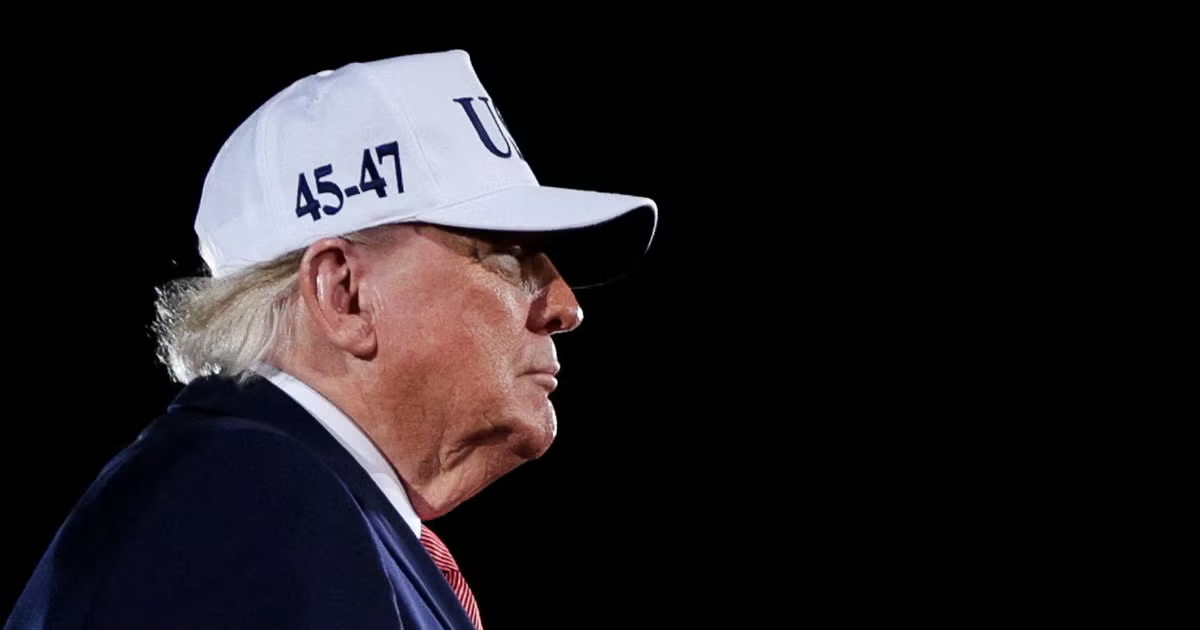
One unnamed Trump aide told CNN the midterms will be ‘f***ing rough’ for the GOP. The president nearly admitted a voter backlash could happen in the Oval Office. He said: ‘The president always loses, for whatever reason, the midterms. If I can get my voters, MAGA Republicans, whatever you want to call them, if they get out to vote, we’ll win in a landslide. But they have to want to get out to vote, and if you’re not on the ballot, it’s a little harder.’
Strategic Rationale for Rallies
Trump continues to tour red states, focusing on base mobilization, not battlegrounds. At a rally in Greenville, North Carolina, he said: ‘I’m doing something different. I’m working like a dog, and I love being with you.’
Steve Bannon, Trump’s former chief strategist and host of the War Room podcast, said rallies strengthen MAGA enthusiasm. He said: ‘If [his supporters] feel better about going to the polls because they heard from President Trump directly, then that’s a win.’
Ron Bonjean, another GOP strategist, said the best use of Trump is to inspire loyalty. He said: ‘The best way to deploy Trump right now is in whipping up MAGA enthusiasm for the fight.’
White House Stance
White House spokesperson Davis Ingle said Trump is the party’s ‘unequivocal leader, best messenger, and unmatched motivator.’
They added: ‘The choice has never been more clear: doubling down on President Trump’s winning, commonsense agenda or the Democrats’ extreme liberal policies and obstruction.’ This shows the party’s reliance on Trump as a unifying figure, despite growing criticism.
What to Watch Next
As the midterms approach, questions remain about Trump’s response to a blue wave. Could he challenge election results as in 2020? Would he blame inner circle members? These scenarios have already been discussed in private meetings. Some strategists are preparing plans for potential fallout.
For now, Trump focuses on energizing his base. His rallies are not meant to sway voters in close races. Instead, they aim to build loyalty. This approach values ideological unity over electoral pragmatism, showing a broader tension between campaign effectiveness and democratic accountability.
Sources & further reading
Featured image: original publisher image. Via original publisher. Image source