Parents often notice their children lying — whether it’s about missing biscuits or a drawing on the wall. But new research suggests this behaviour isn’t a sign of trouble. Instead, it’s a key part of a child’s mental development. Source: bbc.co.uk.
Why Children Lie
Deception in young children is not a flaw. It’s a skill they’re learning and practicing.
Dr Jade Redfern, a clinical psychologist, explains that children begin to develop deception before their first birthday. Though they aren’t yet sophisticated, they start to act in ways that hide the truth. This early form of deception is not about malicious intent but about navigating social interactions and understanding how others perceive reality.
A study from the University of Bristol found that around a quarter of children understand some form of deception by age ten months. This was surprising to researchers, including Prof Elena Hoicka, who led the study. Hoicka, a mother of three, says children are artful in their hiding tactics. She notes that they might hide under the table or in the bathroom to eat sweets. These actions show early signs of intentional deception, indicating a growing awareness of social rules and expectations.
Deception Grows with Age
By age two, children use basic deceptions — like pretending not to hear a parent or denying they’ve done something. These actions are not random; they reflect an emerging understanding of how others interpret events and what they might believe.
They might also engage in forbidden activities secretly. For example, looking in a bag they were told not to open, or claiming they need the toilet when asked to tidy up. These behaviours demonstrate a developing sense of autonomy and a desire to avoid consequences, which is part of healthy emotional growth.
By age three, their deceptions become more creative. They begin to withhold information. For instance, telling a parent that a sibling hit them, but omitting that they were the one who hit first. This kind of behaviour is linked to the development of ‘theory of mind’ — the ability to understand that others have thoughts, feelings, and intentions different from their own.
What Lies Beneath the Deception
Children lie not just to avoid punishment. They often do it to protect their relationship with caregivers. Dr Redfern says all humans are driven by attachment. For young children, this means they want to preserve their connection with parents. They learn what brings them closer — and what pushes them apart.
When a child lies, it may be because they fear disappointing a parent. This emotional need is part of healthy development. It reflects their internal motivation to maintain a stable, secure bond, which is essential for emotional well-being.
How to Respond
Experts recommend creating a safe environment for honesty. This means allowing children space to tell the truth without fear of punishment. When children feel safe, they are more likely to express themselves openly and honestly.
Rachel Duffy, a mother of three and winner of The Traitors, shares a personal example. She recalls one occasion when her eldest son borrowed his brother’s bike and crashed it into a car. Initially, he tried to lie about what happened. Instead of scolding him, she said, ‘You won’t get into big trouble if you tell me the truth.’ She then left the room, giving him space.
Later, he admitted, ‘Yeah, that was me.’ The moment showed that space and calm could build trust. This approach demonstrates that children respond positively to non-judgmental environments where mistakes are met with curiosity, not blame.
Dr Redfern says there are times when a lie is appropriate — such as when a child describes someone’s appearance or receives a gift they don’t want. For instance, her children recently told her she was ‘very wrinkly’. Instead of reacting defensively, she asked why they thought that. This open conversation helped them explore others’ feelings and develop empathy.
Such interactions build empathy. When children see adults model empathy, they learn to consider others’ perspectives. This kind of emotional scaffolding is vital for long-term social and emotional development.
Limitations and Open Questions
While deception is part of development, not all lies are harmless. Some may reflect deeper emotional struggles or lack of trust. Experts stress that lying is not always a sign of maturity. It can also signal a child’s discomfort or fear.
There is no universal rule for when deception becomes problematic. Each child develops at a different pace. Parents are advised to observe patterns, not just single incidents. A consistent pattern of lying may require professional guidance.
Still, the research shows that early deception is a natural, healthy part of cognitive growth — not a sign of moral failure. Understanding this can help parents respond with patience, not frustration.
For more on child development and emotional growth, see our original source.
Sources & further reading
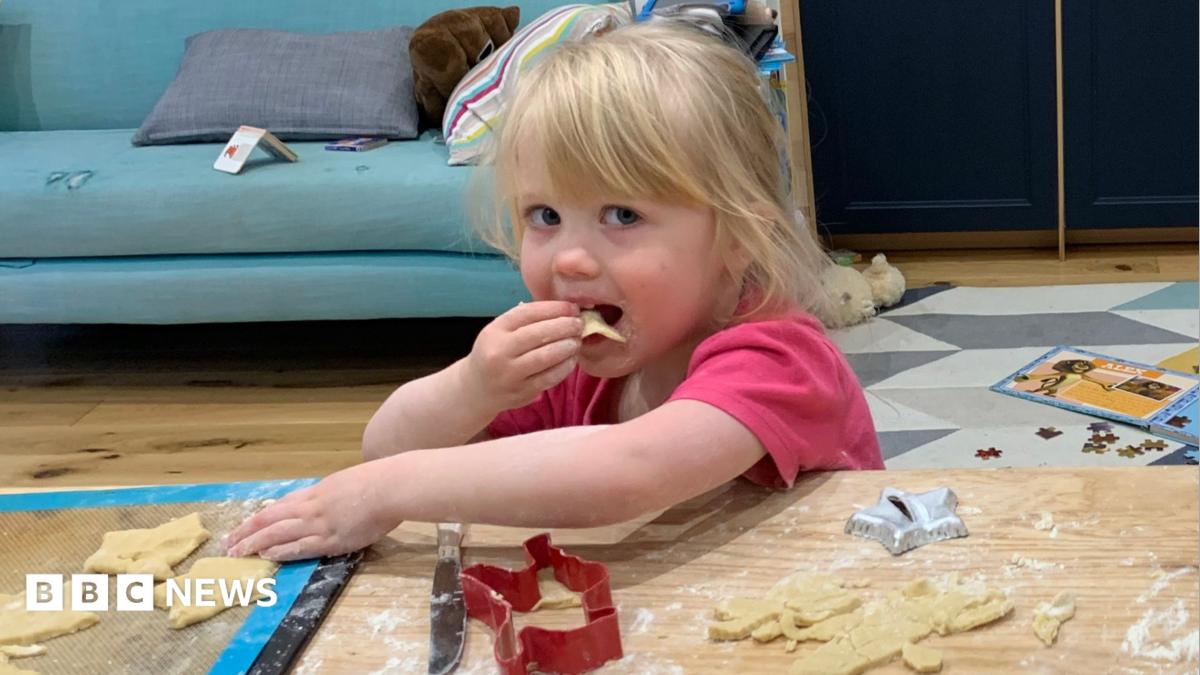
Featured image: Child seated at a flour-covered table in the foreground, holding a piece of cookie dough to their mouth. Rolled-out dough covers the table, with shaped biscuits, metal cookie cutters and a baking tray visible nearby. Additional dough pieces and baking equipment are spread across the work surface, while a sofa and children's books can be seen in the background.. Via original publisher. Image source