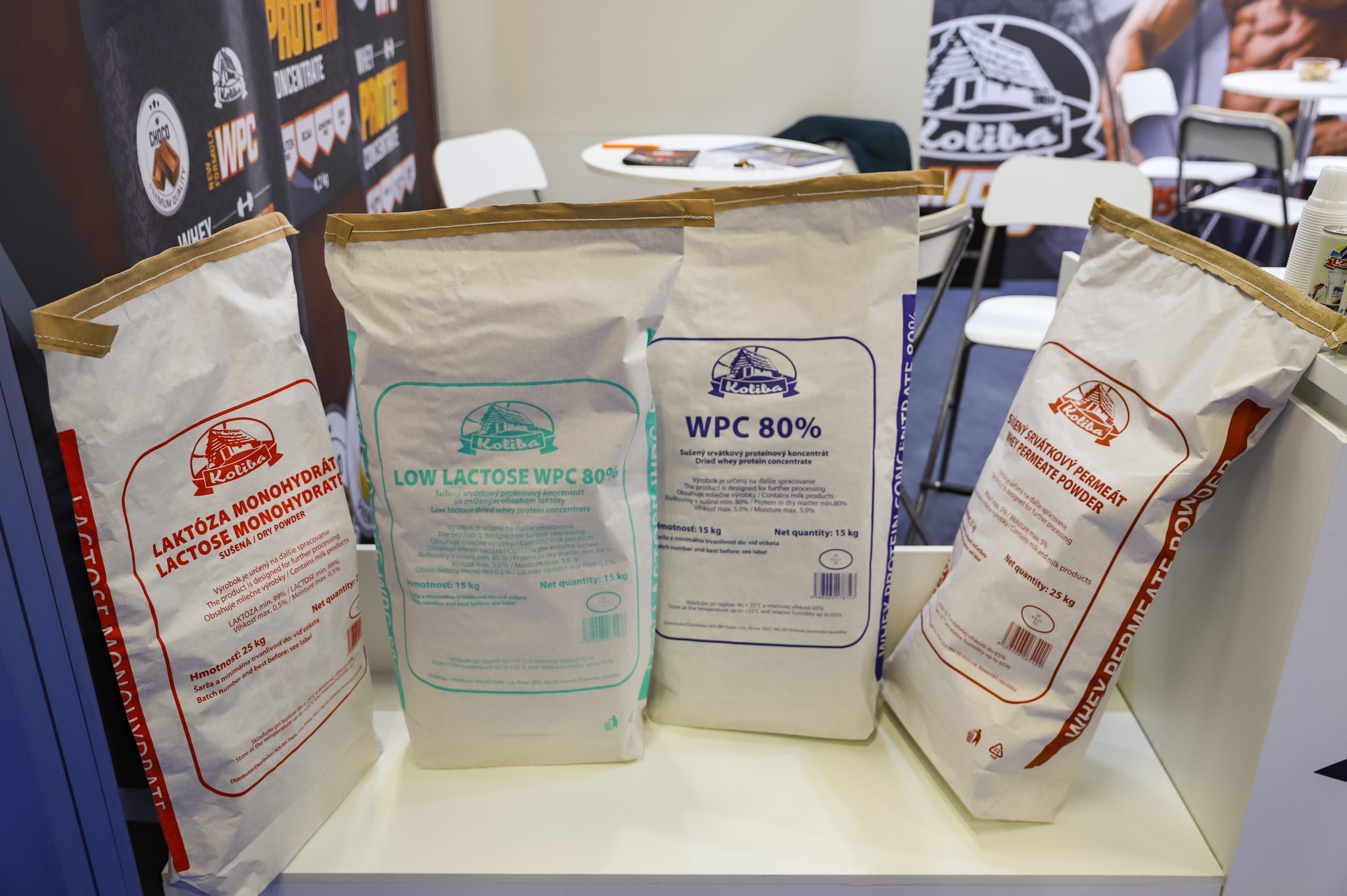
A new analysis of 23 randomized controlled trials involving 611 healthy adults under 45 examined how protein supplementation affects strength gains in key lifts like the bench press and squat. Source: mindbodygreen.com.
What the Research Found
Participants who combined resistance training with protein supplements gained more strength in both upper and lower body lifts than those who trained without supplements.
The gains were strongest in squat strength for programs lasting 12 weeks or less. These shorter programs saw better results when protein was taken around workouts or before bed.
Timing Matters Most for Squats
One study found that people who consumed protein right after training or in the evening improved squat performance more than others.
Post-workout muscle repair is most active. Protein intake during this time may speed recovery and support muscle growth.
Why This Happens
Resistance training causes small tears in muscles. Amino acids—protein’s building blocks—are needed to repair and rebuild them.
When the body gets enough protein, especially from supplements, it can rebuild muscle more efficiently. This leads to stronger lifts over time.
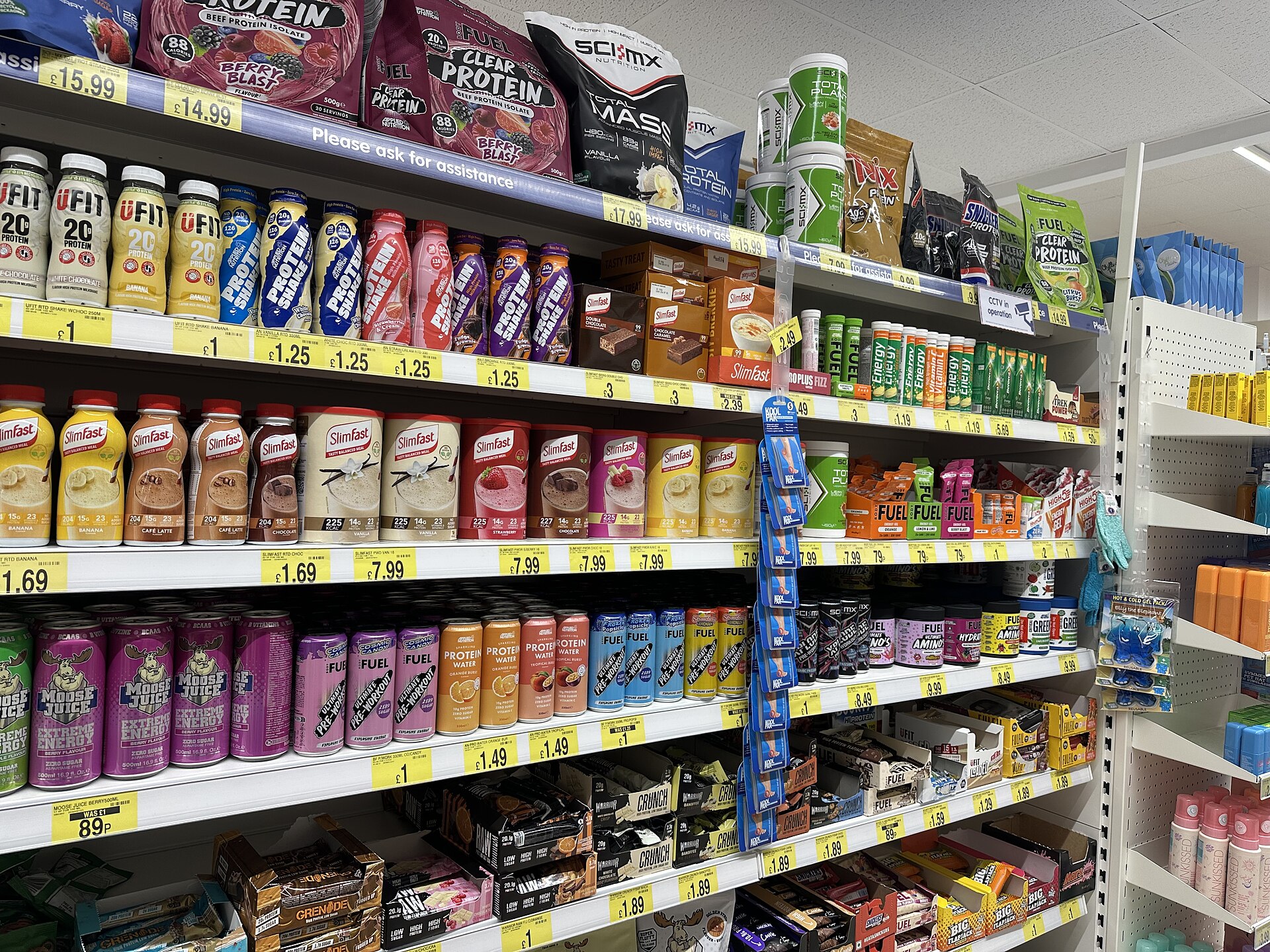
What Your Diet Should Do First
If you already get enough protein from food—like eggs, fish, chicken, Greek yogurt, tofu, or legumes—the extra benefit from a shake is small.
Supplements work best as a backup, not a replacement, for a balanced diet.
How to Use Protein Supplements Effectively
- Start with whole foods: Build meals around protein-rich foods like lean meats, dairy, legumes, and plant-based sources.
- Use supplements to fill gaps: Add a shake only if meals don’t meet your protein needs—especially during intense training or when meals are inconsistent.
- Don’t stress over timing: Spread protein intake across the day. The body absorbs amino acids over hours, not just after a workout.
Limitations and Open Questions
The study had key variations: protein doses, supplement types, and training backgrounds differed across trials.
Findings may not apply to older adults, people with medical conditions, or those with unique metabolic needs.
What to Watch Next
Future research may explore how age, fitness level, body composition, and diet habits affect protein response.
For strength gains, the takeaway is clear: supplements help—but only when part of a balanced routine. Prioritize whole foods and consistent training for lasting results.
Source: Frontiers in Nutrition (2026)
Sources & further reading
Featured image: Protein powder supplements at FIBO 2019 in Cologne, Germany (47952474646).jpg by dronepicr, CC BY 2.0, via Wikimedia Commons. Image source · License