Living in Rio de Janeiro offers a unique rhythm—where beach life, local culture, and Brazilian design blend into daily routines. For visitors, experiencing this lifestyle doesn’t require moving to the city. The best hotels in Rio de Janeiro capture the essence of local life, offering authentic access to neighborhoods that define the city’s character. Source: cntraveler.com.
Why Rio’s Neighborhoods Matter
Each neighborhood in Rio reflects a different pace and style of life. Copacabana is known for its energy and Carnival celebrations. Ipanema offers a more relaxed, stylish vibe with easy access to beaches and boutiques. Santa Teresa, nestled on hilltops, retains a bohemian, quiet charm despite rising tourism.
These areas aren’t just scenic—they shape how people live. The sound of coconuts being cut open in the morning, barefoot surfers passing by, and bossa nova music from beach kiosks are part of the daily rhythm. These moments are not tourist experiences. They are lived-in realities.
Understanding the cultural significance of these neighborhoods helps travelers move beyond surface-level views. In Copacabana, for instance, the beach is not just a destination—it is a social space where people gather for breakfast, work, and evening gatherings. The neighborhood has evolved from a fishing community into a cultural hub, with local vendors selling handmade crafts, street food, and artisanal products. The presence of Carnival parades, which draw millions of participants each year, underscores the deep-rooted social fabric of the area. These events are not merely performances—they are expressions of identity, pride, and community cohesion.
Similarly, Ipanema has transformed from a modest coastal area into a lifestyle destination. Its proximity to the metro system and a concentration of boutique shops, cafes, and design studios make it a practical and stylish choice for visitors. The neighborhood is home to a growing number of local artists and entrepreneurs who use the beachfront as a canvas for their work. From mural art on buildings to street performances, Ipanema reflects a vibrant, creative energy that is both accessible and deeply embedded in daily life.
Santa Teresa, on the other hand, stands as a testament to how a neighborhood can preserve its character amid urban expansion. Once a quiet, forested hillside, it has become a haven for artists, writers, and intellectuals. The community maintains a strong sense of autonomy, with local events such as book readings, jazz nights, and open-air markets that draw both residents and visitors. Despite rising tourism, the neighborhood has managed to retain its authenticity, offering a rare glimpse into a more contemplative, slower-paced version of Rio.
Top Hotels by Neighborhood
Copacabana Palace – The Legacy of Beachfront Luxury
Opened over a century ago, the Copacabana Palace helped define Rio’s beach culture. It was once a modest property in a neighborhood of fishermen’s shacks. The hotel’s Art Deco design, inspired by French Riviera hotels, brought elegance to the area.
Today, it remains a symbol of Rio’s grandeur. The hotel features vast chandeliers, marble floors, and Brazilian hardwoods. It offers a sanctuary amid the city’s partying energy.
Despite its size, the Palace is fun. Dining options are varied, and staff provide beach services with umbrellas, loungers, cold towels, and sun lotion. The hotel is located on Avenida Atlântica, directly across from Copacabana Beach.
As one editor noted, the hotel helped conjure the idea of the beach as central to Brazilian identity. This historical significance means that staying here is not just about comfort—it is about participating in a legacy. Guests often describe feeling a connection to the city’s history, especially when they witness the daily rituals of beachgoers, from morning walks to evening gatherings. The hotel’s long-standing presence has also made it a social hub, where locals and tourists alike gather to share stories and experiences.
Fasano – A Modern Design Statement
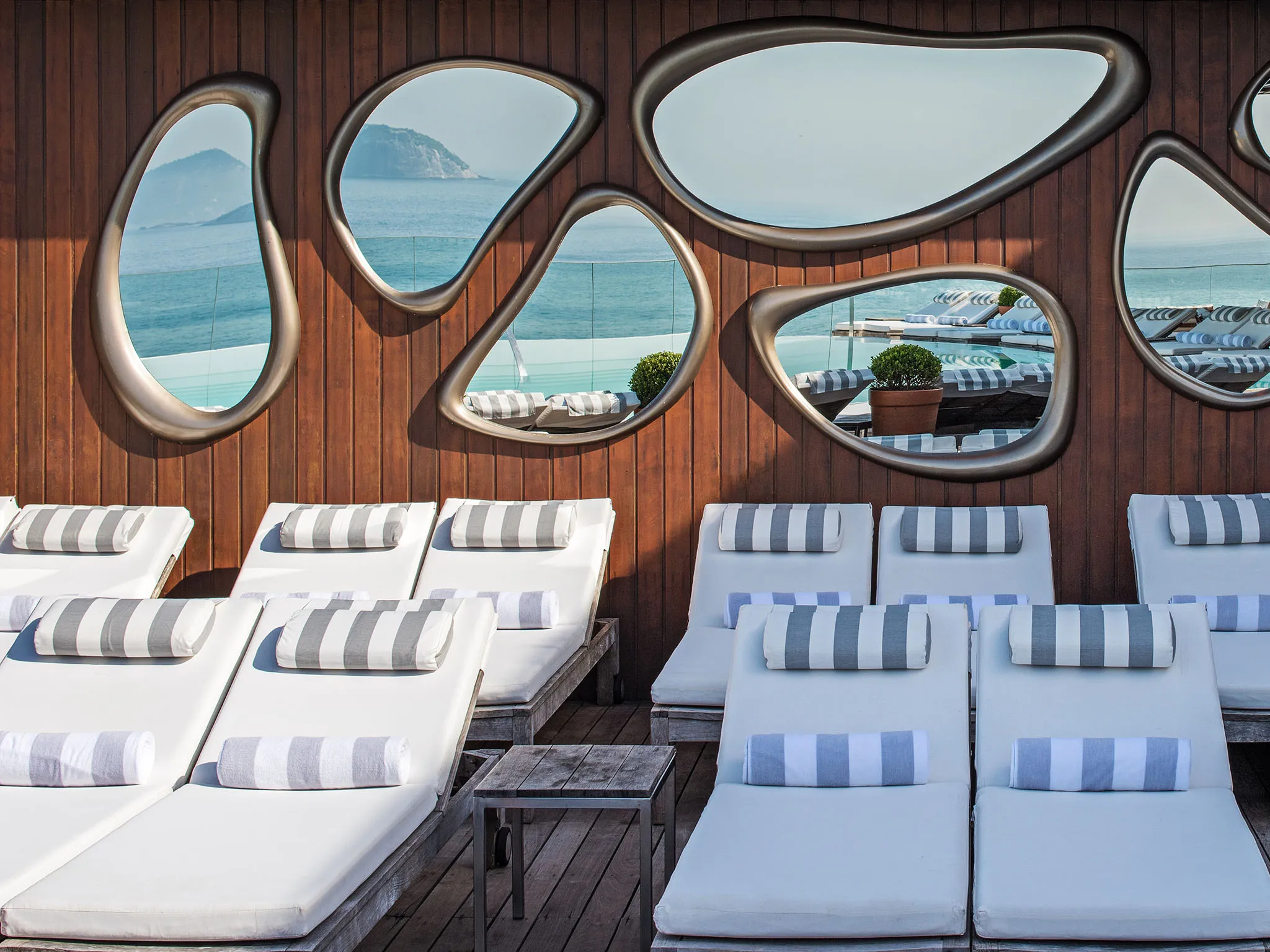
Opened in 2007, the Fasano is a modern alternative to the Palace’s grandeur. Designed by Philippe Starck, it features 89 all-white rooms with balconies—42 of which offer ocean views.
The rooftop bar by the infinity pool offers panoramic views of Ipanema, Leblon, and the Two Brothers Mountain. Guests can enjoy rum muddled with fresh strawberries, a local favorite.
Additional amenities include a spa, fitness center, and bike rentals. The hotel is just across from Ipanema Beach, seven minutes from General Osório metro, and 12 minutes from Copacabana Beach.
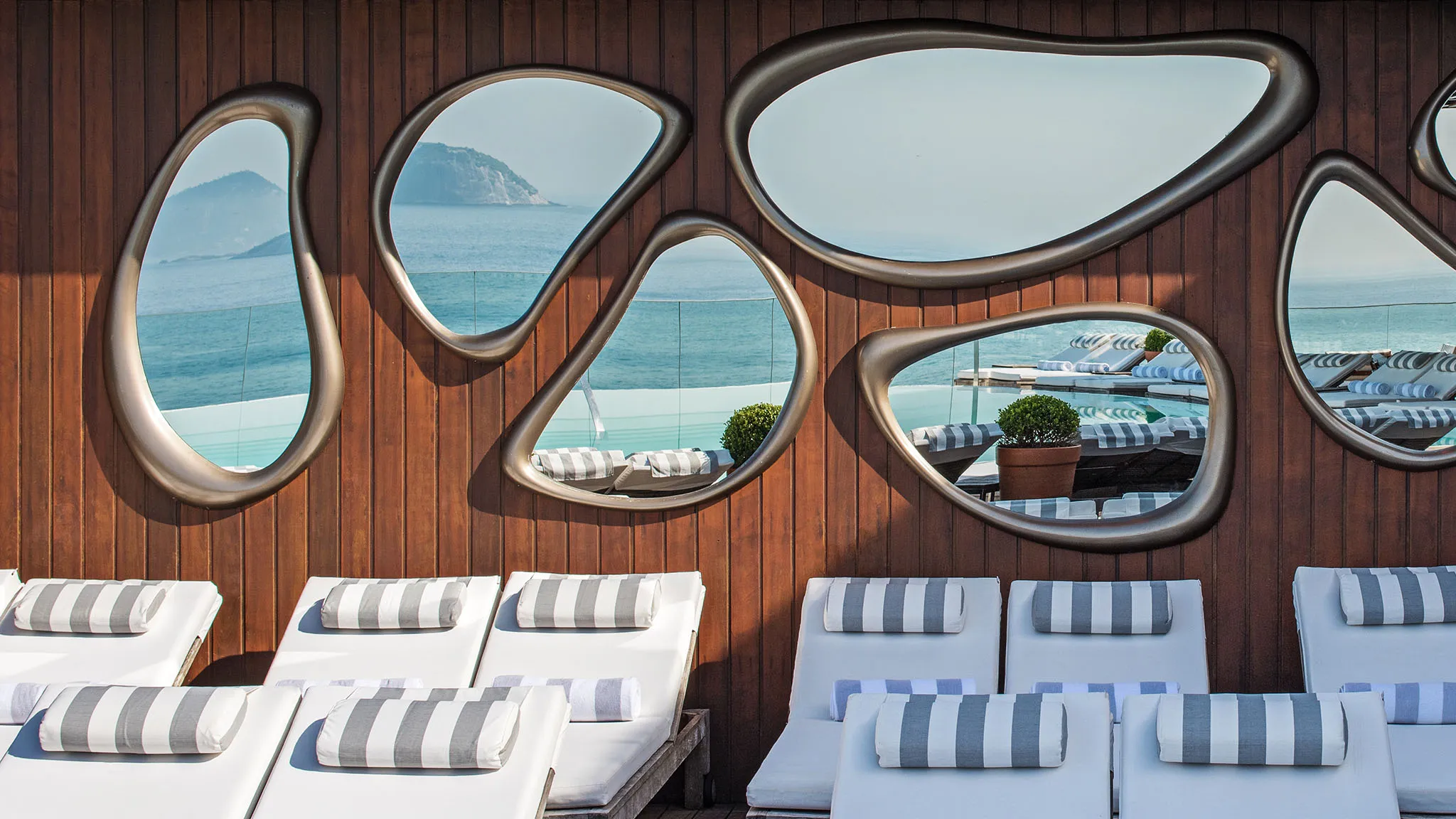
One reviewer described the design as a reflection of Philippe Starck’s philosophy—minimalism and functionality. The use of white surfaces and natural materials creates a sense of calm and harmony with the environment. This design approach not only enhances the guest experience but also aligns with broader trends in sustainable design. The hotel’s commitment to using locally sourced materials and energy-efficient systems demonstrates a dedication to environmental responsibility, even within a luxury context.
Fairmont Rio de Janeiro Copacabana – A Social Hub
The Fairmont blends luxury with Rio’s vibrant social life. With 375 rooms and suites, all feature balconies with views of the beach.
Its signature sixth-floor infinity pool melts into the Copacabana horizon. The poolside lounge serves specialty coffee and gelato. The outdoor Marine Restô offers contemporary Brazilian dining.
Live music, late-night DJs, and Sunday feijoada meals are hosted on the pool deck. These events bring together locals and tourists. The modern gym and spa—especially the two-hour Fire Ritual treatment—are standout features.
One guest described the pool deck as a living room for the city. From weekend yoga sessions to impromptu music performances, the hotel fosters a dynamic environment where cultural expression and community interaction thrive. This blend of leisure and social engagement reflects Rio’s broader cultural identity, where public spaces are not just for use but for connection. Guests often report feeling a sense of belonging, as if they are part of a larger, ongoing story of Rio’s social life.
Hotel Santa Teresa Rio MGallery by Sofitel – A Hilltop Retreat
Located in Santa Teresa, this former derelict mansion now offers 44 rooms with wood floors and sun-filtering shutters. The design reflects tropical surroundings without being overwhelming.
The 80-foot pool overlooks Santa Teresa’s villas and Guanabara Bay. The gardens are lush and expansive. The spa is worth visiting, though service has been described as inconsistent—sometimes over-attentive, sometimes indifferent.
One editor noted that the hilltop location allows guests to witness the daily transformation of Rio from dawn to dusk. The morning light filters through the trees, casting long shadows across the rooftops, while the sun sets behind Sugarloaf Mountain, creating a visual rhythm that mirrors the city’s pulse. The hotel’s design, rooted in tropical architecture, uses natural materials and open-air spaces to create a seamless connection between indoor and outdoor environments. This design choice enhances the guest experience by making the surrounding landscape feel like an integral part of the stay.
Emiliano Rio – A Subtle, Sophisticated Stay
Opened in 2016, Emiliano is a five-star SLH property. It features 90 rooms and suites across 12 floors, with large, plant-filled spaces and plump white sofas.
Each bathroom has a large shower and bathtub. The hotel is directly across from southern Copacabana Beach. Its rooftop infinity pool offers ocean views.
One reviewer described the design as drawing from Oskar Metsavaht’s Osklen brand—clean lines, natural textures, and a deep respect for Brazilian design traditions. The use of warm wood and monochromatic tones creates a calm, inviting atmosphere that feels both modern and grounded. This design language reflects a broader cultural movement in Brazil—where design is not just about aesthetics but about identity and sustainability.
Janeiro Hotel – Effortless Chic in Leblon
With 51 rooms, Janeiro offers boutique intimacy with five-star service. It sits across from Leblon Beach, one of Rio’s most beautiful stretches of ocean.
Interior design draws from Oskar Metsavaht’s Osklen brand—monochromatic tones, warm wood, and oversized windows highlight the natural surroundings.
Thoughtful touches include yoga mats, afternoon tea service, plush robes, and complimentary Ipanema flip-flops. Breakfast is delivered directly to tables, with warm pão de queijo and a colorful spread.
One guest described the breakfast service as feeling like being invited into a private, local ritual. The delivery of warm pão de queijo directly to the table reflects a deep understanding of local food culture—something that is not just about taste but about tradition and community. This attention to detail shows that the hotel is not merely offering a stay but is actively participating in the daily life of the city.
Ipanema Inn – A Blend of Brazilian Modernism
Located just one block from Ipanema Beach, Ipanema Inn channels Brazilian modernism through midcentury furniture by Sergio Rodrigues and natural materials.
Rooms range from compact courtyard doubles to a family-friendly duplex suite with mountain views. The in-house restaurant, Quitéria, spills onto Rua Maria Quitéria with a refined menu from small Brazilian producers.
Breakfast runs until 11:30 a.m. Staff are described as among the warmest encountered. Complimentary bikes connect guests to a coastal path from Leme to Leblon. The metro is two minutes away, and three designer boutiques are within reach.
One reviewer noted that chef David Cruz sources ingredients from small, family-run farms and producers, ensuring that each dish reflects the freshness and authenticity of regional agriculture. This approach not only supports local economies but also provides guests with a taste of Brazil’s agricultural diversity. The restaurant’s menu includes items like grilled fish from the coast, tropical fruits, and traditional dishes that are prepared with care and respect for regional ingredients.
Hotel Arpoador – A Traffic-Free Oasis
Hotel Arpoador is on a traffic-free stretch of coastline. This setting allows for a more relaxed, immersive beach experience.
It offers beach service with chairs, umbrellas, towels, and staff who can manage belongings during beach activities. The rooftop features a triangular pool and panoramic ocean views.
The Maré Spa offers excellent treatments and a steam room. Arp Bar has become a social hub, with in-the-know crowds gathering from dawn to dusk.
One editor described the location as fostering a sense of calm and connection to nature. Being on a traffic-free stretch of coastline means that guests can enjoy uninterrupted views of the ocean and the beach without the noise and congestion of city traffic. This setting fosters a sense of calm and connection to nature. The hotel’s social atmosphere, particularly at Arp Bar, reflects the city’s evolving nightlife culture. The bar has become a gathering place for locals and visitors alike, where conversations flow easily and music blends with the rhythm of the waves. This environment demonstrates how hospitality can serve as a bridge between different social groups, creating shared experiences that go beyond the physical space of the hotel.
Chez Georges – A Brutalist Escape
Set in Santa Teresa, Chez Georges is a striking example of Brazilian Brutalism. It offers 360-degree views of Sugarloaf Mountain and Guanabara Bay.
Just 20 minutes from Copacabana Beach, it feels like a secluded urban retreat. The morning begins with birdsong and the gentle sound of waves.
Each suite features a king-size bed, standard wardrobe, and desk. The floor-to-ceiling windows open to a shared balcony with sweeping views. The 50-foot pool is ideal for watching sunrise or sunset.
One reviewer described the architectural style as a cultural statement—Brazilian Brutalism, characterized by raw concrete, geometric forms, and bold structural elements, is not just a design choice—it is a celebration of material honesty and form. The building’s design allows for a strong visual connection to the natural landscape, with the pool and balconies serving as both functional and symbolic elements of the stay. The morning ritual of watching birdsong and waves is not just a sensory experience—it is a moment of mindfulness, a reminder of the city’s natural rhythms.
How the Selection Was Made
Each hotel review was written by a Condé Nast Traveler journalist who has personally visited the property. The selection process focused on authenticity and insider experience.
Editors evaluated properties across price points. Criteria included design, location, service, and sustainability. The goal was to offer a genuine sense of Rio’s daily life, not just luxury or spectacle.
One editor noted that the editorial team considered not only the physical attributes of the hotels—such as room quality, views, and amenities—but also the cultural and social context in which they operate. For instance, a hotel that offers a view of the ocean is not just a feature—it is a gateway to understanding the city’s relationship with the sea. Similarly, a property that supports local producers or offers cultural events is contributing to the broader ecosystem of Rio’s tourism industry. These considerations ensure that the recommendations go beyond aesthetics and reflect a deeper engagement with the city’s identity.
Key Considerations for Visitors
For first-time visitors, Ipanema is recommended. It offers beach access, restaurants, boutiques, and metro stations—all within easy reach. The neighborhood is lively and well-established, with businesses operating daily.
For classic luxury, the Copacabana Palace stands out. Its history, beachfront location, and service make it feel like a part of Rio’s story.
Some hotels offer inconsistent service. For example, Hotel Santa Teresa’s staff have been described as varying between over-attentive and indifferent. Visitors should expect some variability in hospitality quality.
Design and location are not just aesthetic choices. They shape how guests interact with the city. A room with a view of the ocean or a hilltop garden can feel like a window into local life.
What to Watch Next
As tourism grows, some neighborhoods may face increased pressure. Santa Teresa, though resilient, may see changes in its bohemian character. Future developments could affect access and authenticity.
Hotel operators may also adjust services to meet demand. Sustainability and local sourcing remain key values in the selection process. These priorities ensure that stays remain rooted in local culture.
The rise of tourism in Rio has brought both opportunities and challenges. While it has increased economic activity and cultural visibility, it has also led to concerns about overdevelopment and the erosion of local traditions. The best hotels in Rio are not only places to stay—they are also participants in a larger conversation about how tourism can be balanced with cultural preservation. By prioritizing sustainable practices and authentic experiences, these hotels help ensure that future generations can still enjoy the city’s unique character.
- The Copacabana Palace offers a historic beachfront stay with classic elegance.
- Fasano provides a modern design experience with ocean views and rooftop access.
- Hotel Santa Teresa offers a quiet, garden-filled retreat with a hilltop view.
- Emiliano and Janeiro deliver intimate, stylish stays with strong design and service.
- Ipanema Inn blends Brazilian design with practical, local hospitality.
- Hotel Arpoador and Chez Georges offer unique, tranquil experiences away from the main beach crowds.
Each property reflects a different rhythm of Rio. Whether you seek energy, calm, or design, there’s a hotel that captures the spirit of the Carioca lifestyle.
Sources & further reading
Featured image: original publisher image. Via original publisher. Image source