
The U.S. Food and Drug Administration approved Scholar Rock’s Isembyld—apitegromab-mstn—for adults and children age two and older with spinal muscular atrophy (SMA) who are already receiving an SMN2-targeted therapy. This is the first FDA-approved treatment designed to directly target muscle weakness in SMA, and it acts on the myostatin pathway.
What Happened
The approval marks the first clinical use of a myostatin inhibitor in a medical setting. The drug is administered via infusion and is specifically indicated for patients with SMA who are already on SMN2-targeted therapies.
Key Facts
- Isembyld targets myostatin, a naturally occurring protein that regulates skeletal muscle growth.
- It binds to precursor forms of myostatin—promyostatin and latent myostatin—preventing their activation.
- In the SAPPHIRE trial, patients showed a 2.2-point improvement on the Hammersmith Functional Motor Scale-Expanded after one year of treatment.
- About 34% of patients receiving Isembyld improved by at least three points on the scale, compared to 13.5% on placebo.
- The drug is not approved for use in healthy individuals or athletes.
How It Works
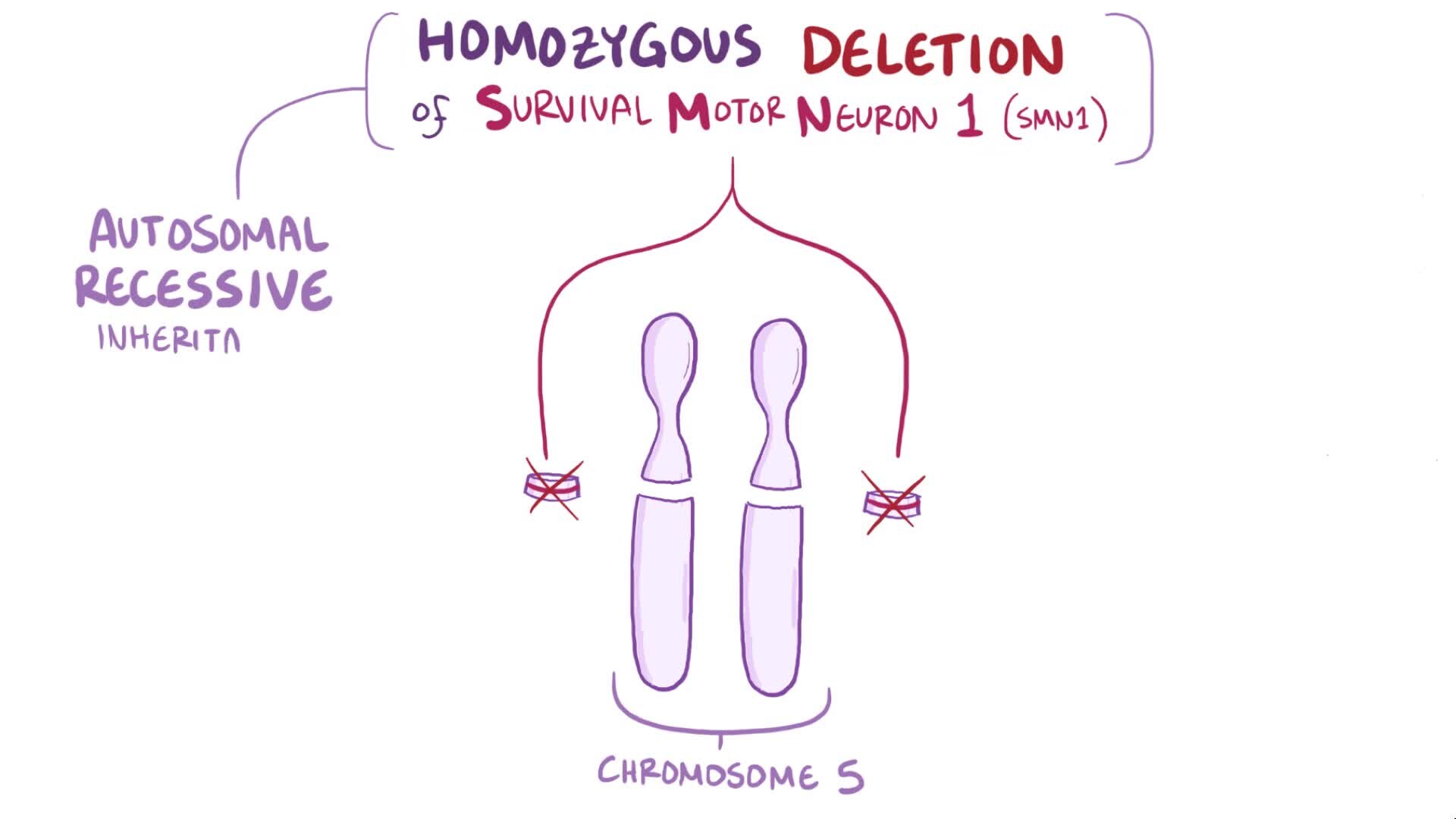
Spinal muscular atrophy is a genetic disorder that damages motor neurons, leading to progressive muscle weakness. Current treatments aim to increase survival motor neuron (SMN) protein levels.
Isembyld works downstream—after neurological damage—by targeting muscle function directly. It does not correct the genetic cause of SMA but improves muscle performance in patients already receiving SMN2 therapies.
Why It Matters
This is the first FDA-approved therapy designed to act directly on muscle growth regulation. The approval validates the biological role of myostatin in muscle development—a concept long theorized but never clinically proven.
While not intended for bodybuilding or performance enhancement, the science represents a significant shift in how medicine approaches muscle biology.
Limitations and Open Questions
The drug is not approved for healthy individuals or athletic use. There is no evidence it safely or effectively increases muscle mass in non-affected people.
Studies on muscle quality, tendon adaptation, cardiovascular strain, and long-term safety in non-SMA populations remain unaddressed.

Mythologized claims—such as ‘injections that make you look like a Belgian Blue bull’—are not supported by this approval or clinical data.
What to Watch Next
Scholar Rock is investigating whether myostatin inhibition can preserve muscle mass during weight loss, particularly in the context of rising use of GLP-1 drugs.
With obesity-related weight loss becoming widespread, preserving muscle mass could become a key goal in obesity medicine. Future research may explore applications in aging, sarcopenia, and metabolic conditions.
While this milestone does not indicate the availability of performance-enhancing drugs, it signifies that pharmacological manipulation of muscle growth pathways has transitioned from experimental biology to clinical medicine.
For the bodybuilding community, it may serve as a moment of reflection—science has validated a long-held biological concept, even if it does not align with performance goals.
For more on the future of performance-enhancing drugs, see the future of PEDs.
For the original article, visit the source.
For broader context on pharmaceutical advances, see Reuters coverage.
Sources & further reading
Featured image: Spinal muscular atrophy.webm by Osmosis, CC BY-SA 4.0, via Wikimedia Commons. Image source · License
