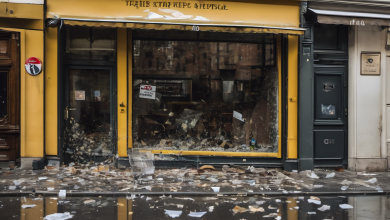
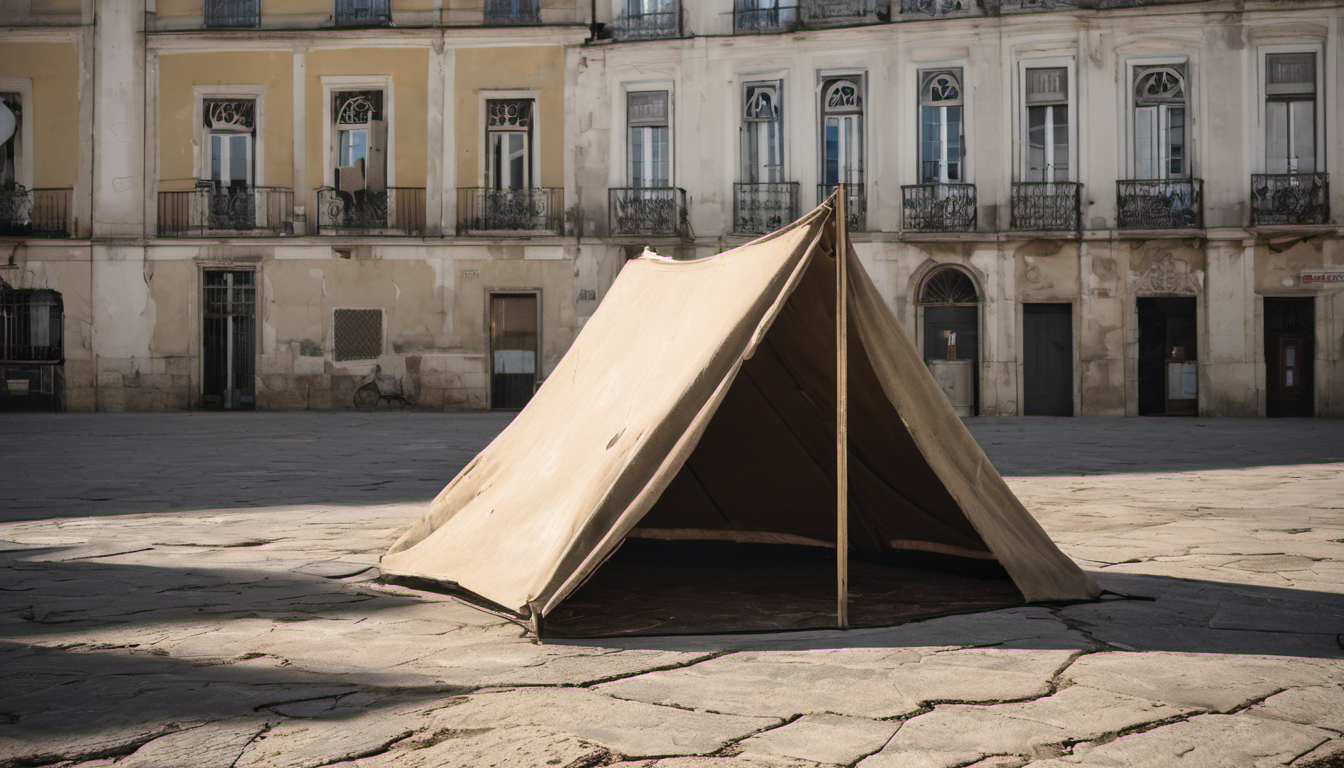
Featured image: A large, beige canvas tent is the main subject. AI-generated image; not a photograph of the reported event.
France is experiencing its most intense protests in years. Authorities report over 1,800 arrests across the country on Saturday. The unrest has spread beyond France, affecting Spain, Italy, and Portugal. Source: theguardian.com.
What Happened in Paris and Beyond
On Saturday, large-scale protests took place in major French cities. Paris police reported 110,000 demonstrators in a single march. Organisers estimated participation at around 800,000 nationwide, though official figures cited 550,000.
Protests began over education and school conditions. They have since expanded to include broader cost of living concerns. In Limoges, city hall was set on fire. Vandalism occurred in several other cities.
Government Response and Statements
Interior Minister Laurent Nunez said the Republic will not yield. He blamed thousands of ‘far left’ protesters and criminal looting. Police, gendarmes, and firefighters suffered over 500 injuries.
Nunez claimed that both far-left groups and criminals were responsible for property damage. The government has not yet released a full breakdown of arrests by region.
Damage and Financial Impact
Damage to shops is expected to reach hundreds of millions of euros. The president of a major trade body said this figure is likely. The full cost will take time to assess.
French authorities have not yet announced a formal investigation into the origin of the protests. The government is preparing for a televised address by President Emmanuel Macron.
International Reactions
US President Donald Trump posted on Truth Social that France is ‘burning’. He blamed immigration in the statement. The post has drawn criticism from European officials.
Protests have also spread to Italy and Portugal. In Milan, rioters clashed with police. A tent encampment emerged in Lisbon over the weekend.
Why This Matters
France’s social unrest reflects deep public frustration over economic conditions. The protests highlight growing tensions around cost of living, education, and government policy.
With unrest spreading across Europe, the situation could influence political stability in the region. The government’s response will be closely watched.
Limitations and Uncertainties
There is no official confirmation of how many protesters were involved in each incident. Numbers vary between authorities and organisers.
It is unclear whether the protests are driven by political ideology or economic hardship. The full scope of public sentiment remains under analysis.
What to Watch Next
President Emmanuel Macron is scheduled to address the public on television at 8pm (7pm BST) on Sunday. His remarks will likely cover the scale of unrest and government plans.
Authorities may release a detailed report on arrests and property damage in the coming days. International reactions will also be monitored closely.
For more on the protests in France, see our earlier report: Hundreds Arrested in France as Protests Surge Over Fuel Prices and Cost of Living.
Protests in Spain and Italy are also being tracked. Updates on those developments can be found at The Guardian’s Portugal coverage.