Home brewing has long been a part of cultural traditions, and cider-making is one of the most accessible forms. A beginner-friendly guide is available from BBC Good Food, offering a clear, step-by-step approach to making cider at home.
What You Need to Start
To make cider, you need a few basic ingredients and tools. These include apples, a fermenter, a hydrometer, and a thermometer. The apples should be fresh and preferably from a variety known for cider production, such as Granny Smith or Honeycrisp.
Apples are not all equal. Some varieties are naturally sweeter, while others are more tart. A mix of both types is often recommended to balance the final taste.
Step-by-Step Process
- Prepare the apples: Wash and core the apples.
- Extract the juice: Use a press or a juicer to extract the juice. A simple kitchen press or a hand-crank juicer works well. The juice should be strained to remove pulp and seeds.
- Sanitize equipment: All tools used in fermentation must be cleaned and sanitized to prevent contamination. This includes the fermenter, bottles, and any utensils that touch the liquid.
- Transfer to fermenter: Pour the juice into a clean fermenter. Add a small amount of yeast—typically a cider-specific strain—to begin fermentation.
- Use a hydrometer to check the sugar level. When the reading stabilizes, fermentation is complete.
- Age and bottle: After fermentation, the cider should age for at least two weeks. Store it in a cool, dark place. Then bottle it and seal tightly.
The guide emphasizes that fermentation is a natural process. It does not require constant monitoring, but regular checks are advised to ensure the process is progressing correctly.
Why This Matters
Home cider-making is a low-cost, hands-on way to learn about food science and fermentation. It also allows people to experiment with different apple varieties and taste profiles.
For many, it’s a way to connect with traditional food practices. In rural areas, cider has been a staple for generations. Making it at home can preserve those traditions while offering a personal, meaningful experience.
Limitations and Considerations
Not all apples are suitable. Some varieties contain compounds that can interfere with fermentation or produce off-flavours. The guide does not list specific apples that should be avoided, but warns against using apples with high acidity or low juice yield.
Fermentation can take time. It may not be practical for those with limited space or time. The process requires patience and consistent storage conditions.
There is no mention of safety risks, such as bacterial contamination or alcohol levels. The guide does not specify how to test for alcohol content or how to store the final product safely.
While the method is simple, results can vary. Factors like temperature, apple quality, and yeast strain affect the final product. The guide does not offer troubleshooting tips for failed batches or off-flavours.
What to Watch Next
As interest in home fermentation grows, more resources are likely to emerge. Future guides may include recipes for different styles—like sparkling cider or barrel-aged varieties.
For those interested in a similar process, a simple guide to cooking long-stem broccoli offers a comparable hands-on experience with minimal equipment.
For more recipes and cooking tips, explore the original source.
Sources & further reading
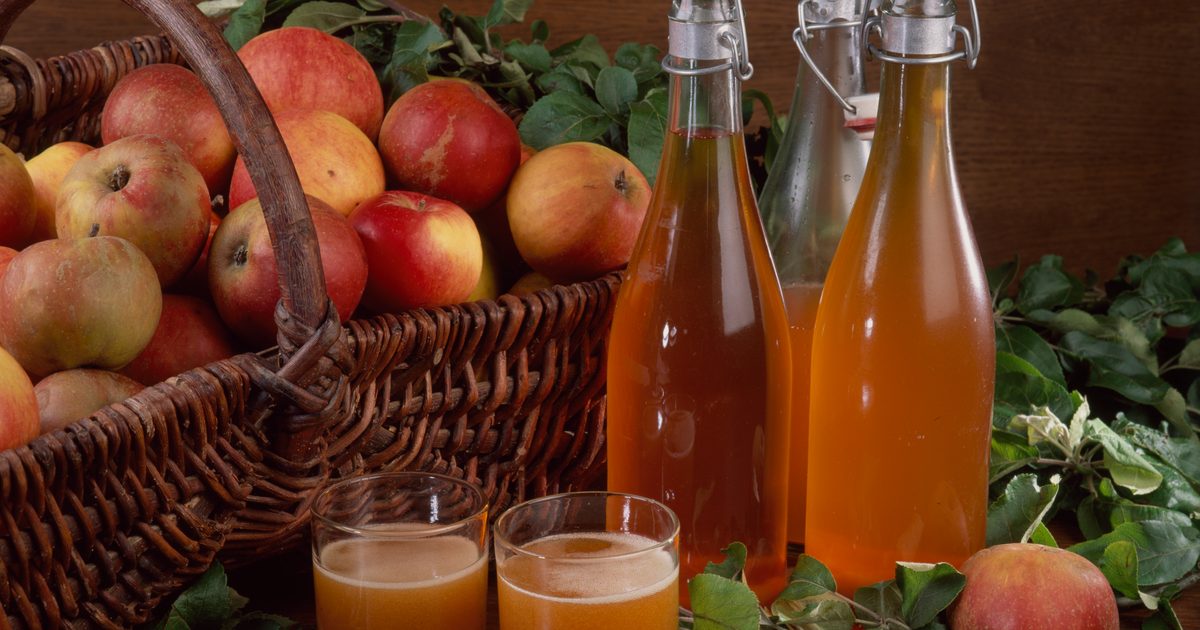
Featured image: Three jars and two glasses of homemade apple cider with a basket of apples in the background. Via original publisher. Image source