What Happened
Unrest erupted over the weekend in France, linked to cost of living protests. Source: theguardian.com.
Protests by trade unions and other recognised groups may proceed, but could use alternative routes.
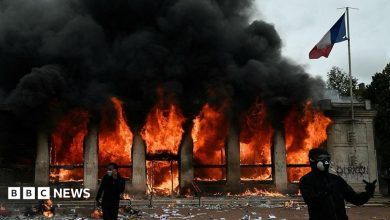
Lyon’s city centre banned all protests after 200 to 300 shops were looted and a tourist office set on fire.
Marseille, Nice, and Toulon followed with similar bans.
In Paris, a march in the east was allowed but barred from entering the city centre.
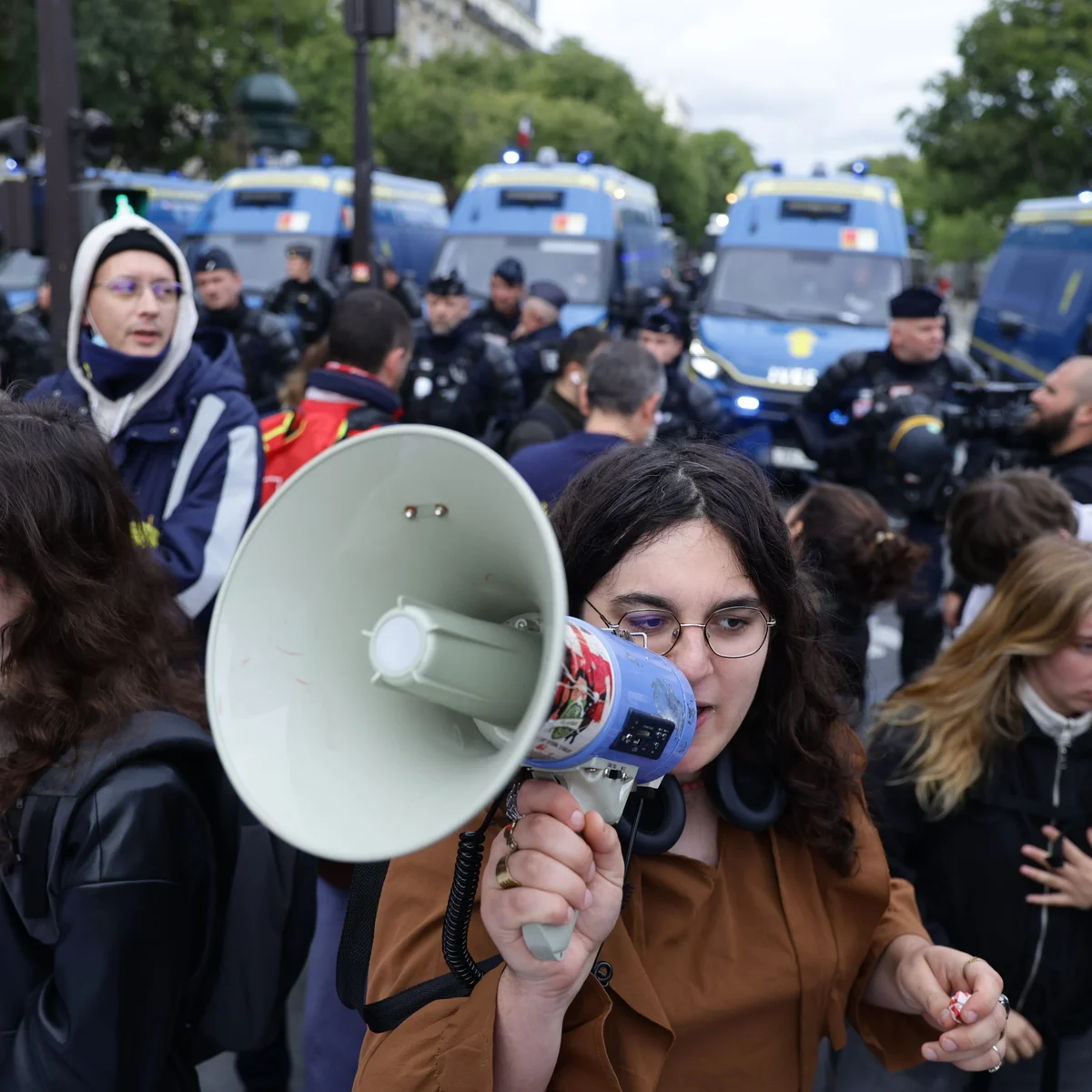
A student-led protest planned for Saturday was denied, despite ties to the gilets jaunes movement.
France’s main student union, UNEF, called for rallies on Saturday, raising concerns about youth activism.
Key Facts
- Macron said only ‘illegitimate’ protests will be banned, not those by recognised groups.
- Partial night-time curfews are in place in cities including Paris.
- Over 900 people have been prosecuted since last weekend’s unrest.
- Two people were arrested after a town hall in Limoges was set on fire.
- Prime Minister Sébastien Lecornu met with political leaders to assess responses.
The government says these actions protect city centres, businesses, and public buildings.
Macron called the rules ‘simple and commonsense,’ urging no demonstrations in the coming days.
Background: How the Unrest Began
Protests started in a high school in Créteil, south-east of Paris, over staff shortages and poor school conditions.
They spread nationwide, evolving into broader demonstrations over rising living costs.
With next year’s presidential election approaching, the unrest has political significance.
Macron blamed much of the violence on ‘ultra far-left groups’ who aimed to ‘bring down the republic’ through seditious acts.
He also noted that some rioters came specifically to loot, not to protest.
Government Response and Next Steps
Macron will chair a defence council meeting on Friday to decide on next steps for planned nationwide demonstrations.
Authorities have banned gatherings near key sites like the Élysée Palace, parliament, and major train stations.
Businesses in central Paris and other cities have begun boarding up windows and hiring private security.
Justice Minister Gérald Darmanin confirmed 174 of 2,500 arrested people are in custody.
UNEF’s call for Saturday rallies adds to tensions in the current environment.
Why This Matters
The unrest shows growing public frustration over rising living costs.
It highlights tensions between state authority and grassroots activism in France.
Protests tied to fuel prices and education may deepen political divisions.
The government says its actions are focused on public safety and order.
What to Watch Next
Public reaction to the protest bans will be closely watched, especially among student groups.
Any new demonstrations could trigger further legal or political responses.
For more on the cost of living crisis in France, see Cost of Living Crisis Sparks Protests and Military Deployment in Europe.
For details on fuel price protests, see Hundreds Arrested in France as Protests Surge Over Fuel Prices and Cost of Living.
For broader European context, see Protests Across Europe Over Cost of Living.
Sources & further reading
Featured image: original publisher image. Via original publisher. Image source