The Parti Québécois (PQ) won a minority mandate in Quebec’s provincial election, ending eight years of Coalition Avenir Québec rule.
What Happened
Paul St-Pierre Plamondon was elected as Quebec’s new premier.
The PQ’s victory marks its first time in power since 2014. It follows declining support for the CAQ, which had emphasized language and cultural identity.
Outgoing Premier Christine Fréchette conceded her re-election bid in Trois-Rivières. She said she would work with Plamondon during the transition.
Key Promises
The PQ has pledged to hold a referendum on Quebec’s independence in the years to come.
Plamondon says the vote will happen after US President Donald Trump leaves office.
Only about 30% of Quebecers support independence, according to recent polling.
He has promised to abolish the monarchy in Quebec and redirect funds from royal institutions to social services.
Plamondon proposed defunding the lieutenant-governor’s office, which represents King Charles III in the province.
Monarchy and Constitutional Role
The lieutenant-governor gives royal assent to new legislation. This role is central to Canada’s constitution.
Plamondon has said he is ready for a legal battle with Ottawa over defunding the office.
Removing this function could weaken the validity of future laws, as royal assent is required for legislation to take effect.
Quebec previously held independence votes in 1980 and 1995. Both times, the results were against sovereignty.
Plamondon refused to take the oath of allegiance to the King in 2022, leading to a law that now makes the oath optional.
Why This Matters
The PQ’s win introduces new tensions between Quebec and the federal government.
Prime Minister Mark Carney remains popular in Quebec, despite a drop in support due to US tariffs imposed in August.
Quebec is among the hardest hit by those tariffs. Oxford Economics projects a C$2bn economic blow.
Carney has said he will work with Plamondon to support businesses and tackle homelessness.
Two unity challenges could emerge: one over Quebec’s sovereignty, and another over Alberta’s upcoming independence vote.
What to Watch
Plamondon’s pledge sets a timeline for a potential third independence vote in Quebec—likely in 2029 or 2030.
Defunding the lieutenant-governor’s office will likely face legal challenges, given the monarchy’s constitutional role.
Any such move would need strong legal justification and could face federal opposition.
The Alberta vote later in the year may influence how Ottawa responds to Quebec’s actions.
Public support for independence remains low. Only 30% of Quebecers back sovereignty.
Still, the PQ’s rise shows a shift in political sentiment and may spark renewed debate over provincial power.
Carney has stressed unity, saying a stronger Quebec is key to a stronger Canada.
The situation highlights the ongoing complexity of federalism in Canada.
For now, dialogue, legal clarity, and economic stability will be key to managing the situation.
For more on Canada’s political landscape, see the BBC’s coverage of Alberta’s upcoming independence vote.
Sources & further reading
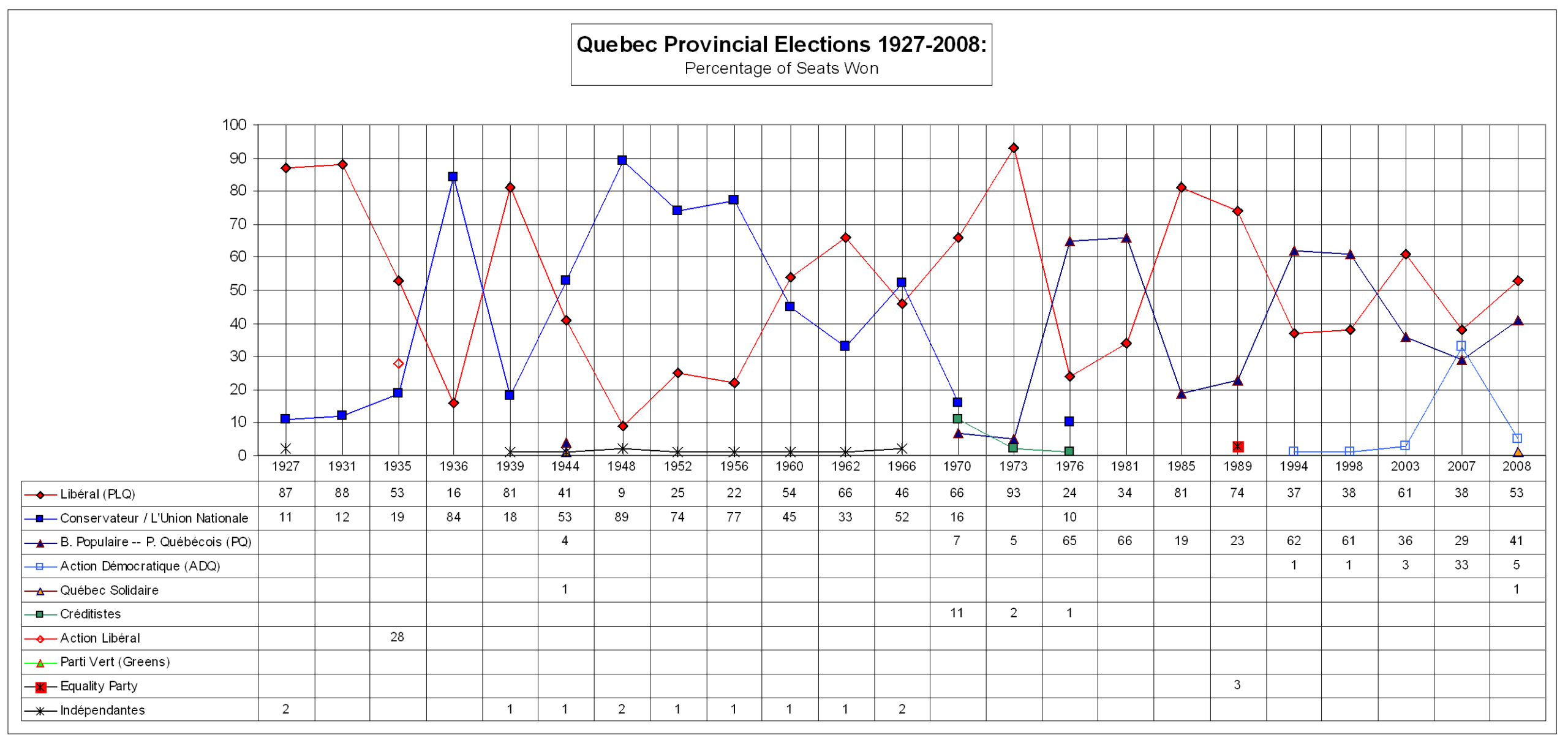
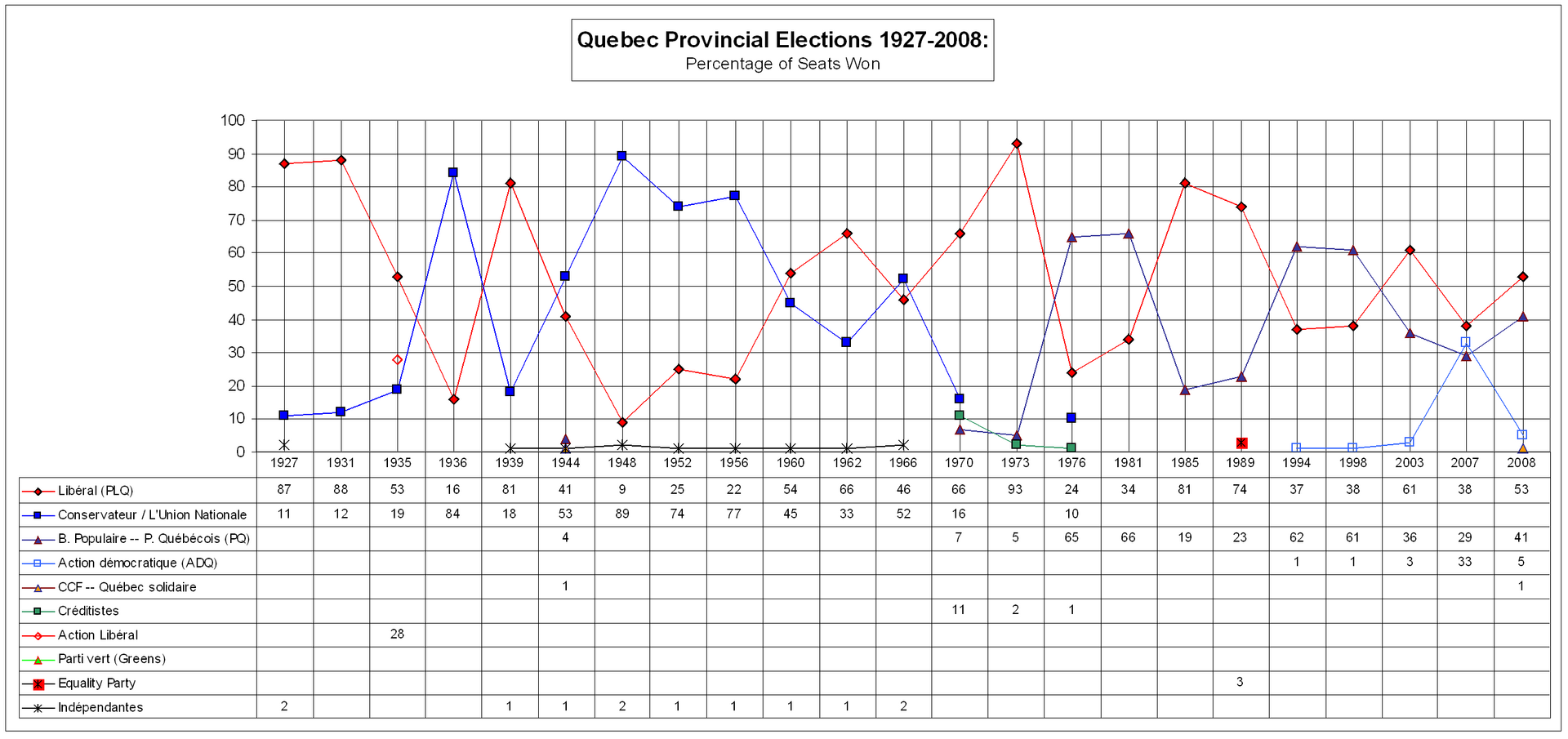
Featured image: Quebec general election results, 1927-2008 1.0.png by John Herring (Jwkozak91), CC BY-SA 3.0, via Wikimedia Commons. Image source · License