Teagan Micah, the Australian women’s soccer goalkeeper, has spoken openly about a neurological disorder that nearly ended her career. The 29-year-old faced a serious health crisis after suffering a concussion during training with Lyon in March. Source: theguardian.com.
What Happened
Micah was diagnosed with autonomic dysfunction — a condition that disrupts the nervous system’s ability to regulate automatic body functions. This includes heart rate, blood pressure, and body temperature.
After the concussion, she experienced severe symptoms: her heart rate would spike to 190 beats per minute after walking just two minutes. These symptoms made daily tasks difficult and raised concerns about her long-term fitness.
She missed the Asian Cup in March due to the injury. The condition threatened to force her into early retirement, prompting her to seek international medical help.
Medical Response and Recovery
Micah consulted doctors in Sydney, Geneva, and France to find effective treatment. These specialists helped her understand the condition and develop a recovery plan.
She sat down with her family and discussed retirement. She said, "it was just a matter of get back healthy first and then making the decision."
She didn’t want to retire prematurely. "I knew it wasn’t going to be something I’d be comfortable with," she said. "I just wanted to keep going."
Support from Teammates and Coaching Staff
Micah credited her teammates for helping her through recovery. Former Lyon player Ellie Carpenter sent food to her apartment when she couldn’t get out of bed. Other teammates, including Steph Catley and Ras Hayley Raso, regularly checked in.
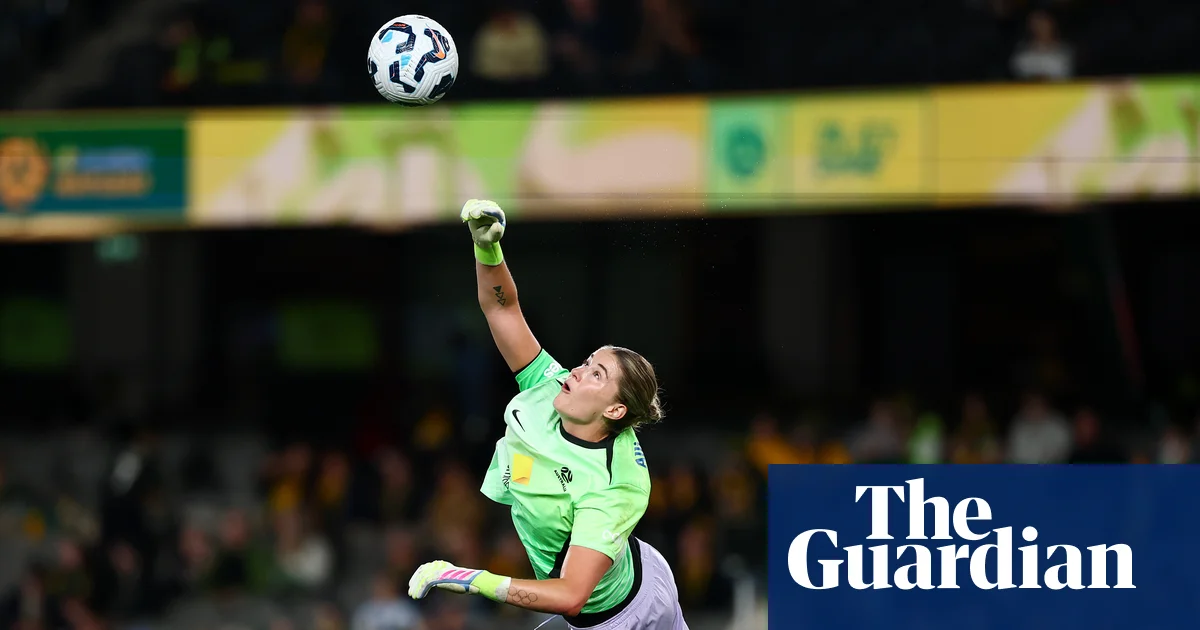
She praised the Matildas coaching staff and the team culture at Lyon. "Those girls made me smile on days where I didn’t think I had it in me anymore," she said.
Return to Matildas and Future Goals
Micah has returned to the Matildas squad for a two-game friendly series against Colombia. The first match begins in Canberra on Saturday night.
The series is Australia’s final preparation before the World Cup draw on 11 December. Colombia, ranked world No 19, is considered one of South America’s strongest teams after Brazil.
Micah competes with Mackenzie Arnold for the No 1 goalkeeper spot. She said she now needs to plan her career path. "I need to probably go back to the drawing board and write down what I want to achieve now," she said. "I want to use this second chance I have."
Team Context and Current Status
Australia has reactivated several players, including Mary Fowler, Kyra Cooney-Cross, Alanna Kennedy, Tameka Yallop, and Kahli Johnson.
Everton attacker Holly McNamara remains out with a hamstring injury, expected to return late December. Players Clare Hunt and Charlie Rule are still sidelined.
The Matildas are now focused on building momentum ahead of the 2027 World Cup in Brazil.
Micah’s recovery shows the physical and mental toll of elite sports. It highlights the need for medical support and strong team culture in athlete resilience. Autonomic dysfunction, though rare, is increasingly recognized in athletes with head trauma. Such cases show how even short-term injuries can lead to long-term neurological issues. Micah’s return to play proves both her determination and growing awareness of athlete health in professional sports. Her journey shows that recovery from neurological disorders needs more than medical care — it requires emotional and social support. Teammates’ actions — from delivering meals to simply checking in — helped maintain her morale. This kind of peer support is vital in high-pressure environments where isolation can worsen mental health. As elite sports evolve, mental health and medical monitoring in training will likely grow. Micah’s story is a powerful example of resilience, teamwork, and the importance of prioritizing long-term well-being over short-term performance goals.
Sources & further reading
Featured image: original publisher image. Via original publisher. Image source