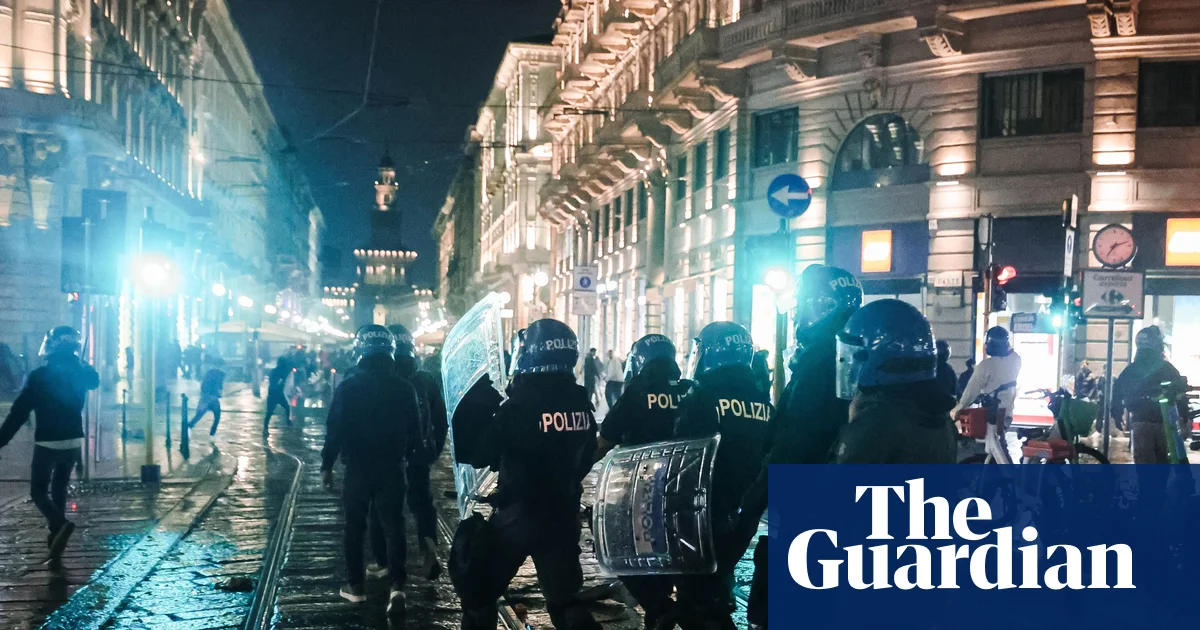
Italy has sent 500 troops to Milan after protests turned violent. The unrest began as a peaceful demonstration over rising living costs but escalated into clashes, vandalism, and looting. Source: theguardian.com.
What Happened in Milan
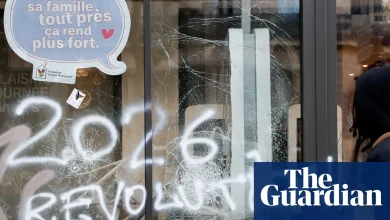
On Saturday and Sunday, hooded youth set bins on fire and ransacked shops near Milan’s cathedral. The area around the historic site became a flashpoint for unrest.
Police used teargas and water cannons to disperse the groups. A total of 271 young people were detained. Among them, 23 were minors and 13 were foreign nationals. Twenty-eight others were handed over to judicial authorities.
Luxury stores in Milan’s fashion district closed. Brands like Chanel, Tiffany, and Dior removed merchandise from windows. Retailers including Decathlon, Arc’teryx, and Vodafone were also targeted. Footage shows smashed windows and destroyed displays.
Italy’s Government Response
The government has introduced a new offence for violent participation in protests. Penalties could include fines or jail time.
Parents may now face financial liability if their children take part in vandalism or looting. This aims to hold families accountable for minors’ actions.
Foreign Minister Antonio Tajani said the government is targeting violence by minors, especially in marginalized areas. The term ‘maranza’ refers to gangs of youth from disadvantaged neighborhoods. The government is considering community programs to address root causes.
Italy also plans stricter penalties for road blockades in southern Italy. Drivers have protested for weeks over fuel price hikes.
Protests Spread Across Europe
Similar unrest has spread to Portugal. Thousands gathered in Lisbon after police dismantled housing protest camps and arrested 55 people.
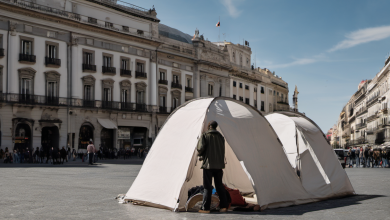
Protesters in Rossio square voted by show of hands to reestablish their tent camp. Placards read: ‘They forced me on to the streets to shout’ and ‘Lisbon is not for sale.’
Portuguese protests mirror those in Spain, where tents have been set up in central Madrid. Demands include better university conditions and affordable housing.
In Albania, protests have intensified. Citizens demand better university conditions, end corruption, and oppose a resort linked to Donald Trump’s family.
Clashes with police escalated on Tuesday. Riot police used teargas and water cannons. Protesters hurled molotov cocktails and stones.
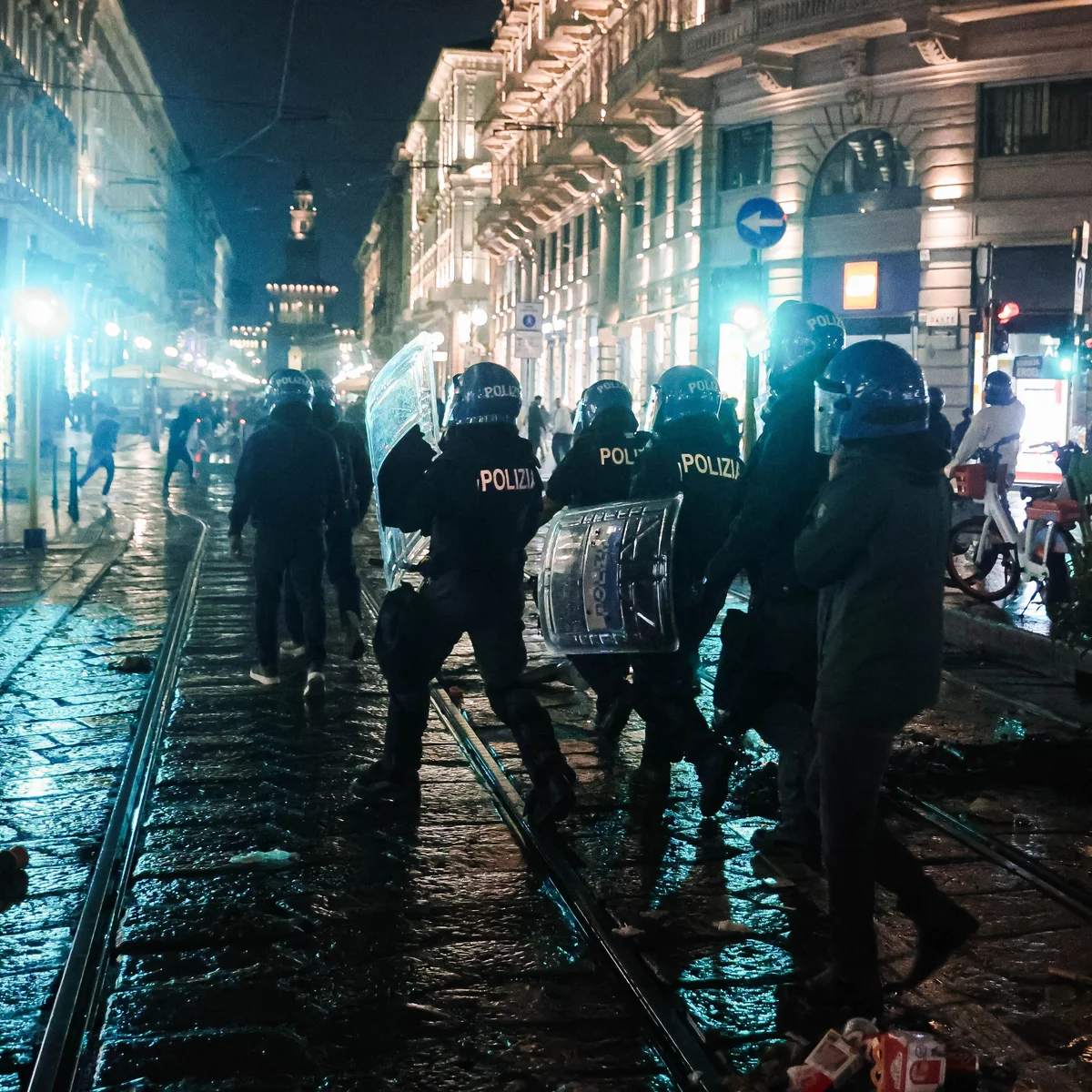
Prime Minister Edi Rama blamed foreign actors—Russia and Iran—for spreading online misinformation. He called the unrest a ‘hybrid war’ rooted in real economic grievances like inflation and housing costs.
France Faces Major Unrest
France saw nearly 2,400 arrests in one week. Looting and fires damaged shops and public buildings.
Partial curfews were imposed in Paris, Bordeaux, Lille, and Nice. Paris renewed a curfew from 11pm Tuesday to 6am Wednesday in the Place de la République and Les Halles.
A temporary ban on petrol and gas cans was issued. A man was arrested for burning down the historic town hall in Limoges.
Interior Minister Laurent Nuñez confirmed military forces will support police during Saturday’s demonstrations. Prime Minister Sébastien Lecornu said police presence would be ‘massive’ and that order would return quickly.
Political and Social Tensions
Opposition leaders accuse the Italian government of using security measures as a political tool. They argue the administration ignores core issues like education, housing, and living conditions in poor areas.
A new movement, 17 October, emerged on social media. It plans Saturday demonstrations in Italian cities until the government ‘collapses.’ The group says: ‘You are the violent ones. You, who denied us a future. Now, we are claiming that future ourselves.’
Why This Matters
Protests across Europe show deep frustration with inflation, housing costs, and inequality. The unrest is no longer isolated—it spans multiple countries.
Security responses like military deployments and curfews raise concerns about civil liberties and state power. Financial liability for parents adds a new layer to how violence is justified.
Similar actions in Portugal, Spain, and Albania suggest a shared sense of economic distress and a demand for systemic change.
What to Watch Next
- Further protests in Milan and Bologna on Saturday.
- How France manages curfews and military support during Saturday’s demonstrations.
- Whether the 17 October movement gains wider support.
- Responses from opposition parties and civil society on security measures.
For more on the protests in France, see hundreds arrested in France. For a broader view of European unrest, read protests across Europe. For details on Spain’s housing protests, visit France protests escalate.
For background on inflation and living costs, see UK inflation falls. For analysis on policy responses, see Mathias Cormann’s warnings.
Sources & further reading
Featured image: original publisher image. Via original publisher. Image source