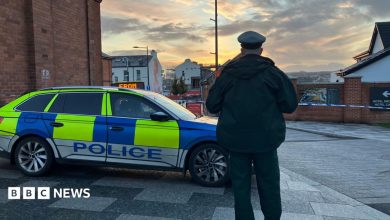
The High Court in Belfast has confirmed that the Northern Ireland secretary’s decision to ban the Drumcree parade was lawful and within the legal discretion granted to the secretary of state. Source: bbc.co.uk.
What Happened
A judicial review was launched by the Portadown Orange District. It challenged the government’s ban on the annual Drumcree march. The challenge claimed the ban violated the Orange Order’s legal right to parade on Garvaghy Road.
Mr Justice Scoffield ruled that Sir Chris Bryant’s decision on 9 October was lawful and proportionate. The court found the secretary of state acted within his statutory authority. The ruling stressed the high security risks identified by the PSNI.
The legal challenge included both the secretary of state and PSNI chief constable Jon Boutcher. A lawyer for the Orangeman said an appeal of the decision is likely. This shows the issue remains politically and legally sensitive.
Key Facts and Legal Foundations
- The ban followed a formal security assessment from Chief Constable Jon Boutcher. He concluded all lawful and proportionate options to allow the march had been used up.
- Boutcher wrote that any further action—like clearing a path—would require a major public order response. This would carry a high risk of serious injury, disorder, and wider contagion.
- PSNI intelligence suggested dissident groups may have planned gun attacks if police cleared the route. This added urgency to the decision.
- The Parades Commission, set up in 1998, previously denied the march on Garvaghy Road.
- On 27 September, the Parades Commission allowed the march under restrictions. But it was blocked by about 1,000 people, including First Minister Michelle O’Neill.
- The stand-off lasted nearly two weeks. Daily clashes occurred on Garvaghy Road, disrupting daily life and harming community trust.
Legal and Political Reactions
Mr Justice Scoffield said the decision was necessary but deeply regrettable. He noted the situation cost Northern Ireland heavily—financially, in police resources, and in community relations.
He criticized some elected officials for joining unnotified protests. He stressed the rule of law applies equally, regardless of personal views.
Secretary of State Chris Heaton-Harris welcomed the ruling. He said his actions were lawful and justified. He emphasized that upholding the rule of law is a duty for all public officials.
DUP MP Carla Lockhart called the judgment ‘damning’. She said the law does not apply only when one agrees with a result. Preventing a legal right through unlawful actions cannot be justified.
Sinn Féin MLA Deirdre Hargey said defending Garvaghy Road residents was the right choice. She said the community has no desire to return to 1990s conditions. The stand-off has set back peace efforts.
TUV leader Jim Allister said the Portadown District’s legal right to parade remains. He acknowledged the judge’s criticism of protesters but warned the outcome could increase division.
Breandán Mac Cionnaith said the right to live free from sectarian harassment—guaranteed under the Good Friday Agreement—has been upheld. He called the legal outcome a clear victory for community rights.
Solicitor Darragh Mackin said no amount of political spin can change the legal reality. He praised residents for following legal procedures throughout.
Loyalist activist Jamie Bryson said the case established a clear precedent. The Portadown District has a recognized right to march. The Chief Constable’s finding—that protecting 35 Orangemen would require an unproportionate response—was key.
Why This Matters
This ruling shows public authorities must act within legal limits, even when decisions are controversial. It balances constitutional rights with public safety in divided communities.
Legal tools like judicial review and the Parades Commission can resolve long-standing disputes. The court upheld the ban but acknowledged both sides’ concerns. It calls for measured, principled approaches to future events.
The case also highlights elected officials’ duty to uphold the rule of law. Several politicians joined unnotified protests. This raises questions about accountability and democratic integrity.
What to Watch Next
The Portadown Orange District has confirmed it will appeal the High Court’s decision. A successful appeal could reopen debates over parade legitimacy and public authority roles.
Police and community leaders will stay alert to future parades. Any new developments may shape how events are managed in Northern Ireland.
Political figures may face greater scrutiny over protest participation. Such actions could be seen as undermining public order or the rule of law.
The broader impact on community relations, constitutional rights, and democratic accountability will be closely watched.
Sources & further reading
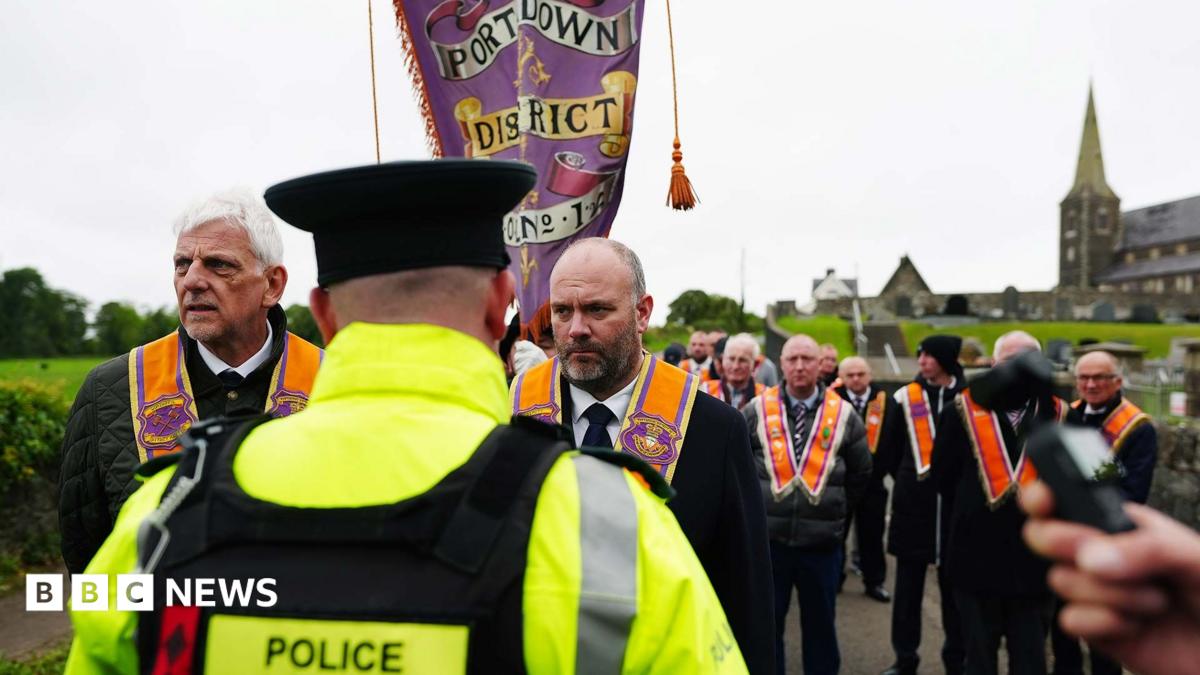
Featured image: A police officer with his back turned to the camera. There is a group of orange men marching along the road next to a church. Via original publisher. Image source