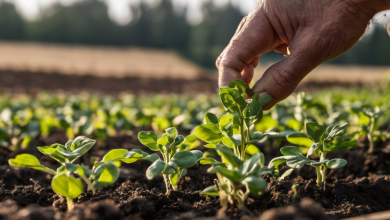
Technology is transforming traditional farming in Northern Ireland. From remote monitoring to automated systems, farmers are increasingly adopting digital tools to manage their operations more efficiently. Source: bbc.co.uk.
AI Cameras Monitor Cattle Health
George McMaster began his farming career milking eight cows, relying solely on his eyes to spot illness in the herd.
Today, he oversees his 300-cow herd using an AI camera in the milking parlour at his farm near Islandmagee.
The camera assigns each cow a unique ID, records a short daily video, and uses an algorithm to analyse movement and behaviour.
Any subtle changes—like a limp or reduced activity—are flagged before humans notice. This early warning helps prevent illness and improves animal welfare.
McMaster called the shift from hands-on checks to remote monitoring ‘absolutely incredible’.
His son Jack, who is taking over the farm, joined the CattleEye app when a local developer approached him.
Jack found that cows once thought healthy are now detected as lame earlier. This helps stop deterioration and cuts emergency cases.
Healthier cows produce more milk and are happier—leading to better farm morale.
Robotic Milking and Broadband Access
Caleb Howard manages 90 Jersey cows on a farm near Coagh in County Tyrone.
His cows use a robotic milking system, entering and exiting at their own pace, not at fixed times.
Howard says the industry is moving toward full automation. Robotics are now standard in modern dairy farms.
But rural connectivity was once a major barrier. For years, internet in Tyrone was poor—like dial-up.
Without reliable broadband, digital tools couldn’t function. Real-time data and remote access were impossible.
Project Stratum delivered high-speed broadband to these areas. It has made a major difference.
Colin Hutchinson from Fibrus said good internet is essential. It enables rural businesses to thrive online.
FarmDrive App Streamlines Operations
Robert Smyth runs 100 dairy cows near Randalstown in County Antrim.
For four years, he has used the FarmDrive app to manage daily tasks.
Before, he wrote notes by hand in the cattle house. Records were lost or misfiled.
Now, data is captured in real time and stored digitally. Compliance reports for medicine, feeding, and treatments are just a click away.
Developer Gareth McDonald, with a farming background and computer science training, calls FarmDrive ‘Facebook for cows’.
Each animal has a profile with health history, feeding logs, and photos. A photo helps with identification and tracking.
McDonald says AI tools don’t replace farmers. They act as advisers—offering timely data.
He stresses farmers must still make final decisions. AI should guide, not decide.
From Tractors to AI: A Historical Parallel
Over a century ago, Harry Ferguson invented the linkage system, still used in modern tractors.
Today, AI is seen as a similar revolution in how farming data is used.
Former Ulster Farmers’ Union president Ian Marshall says farming has always used data.
Now, with vast datasets, farmers can meet sustainability goals—economic, environmental, and social.
He believes digital tools help farmers meet regulations, improve animal health, and produce sustainable food.
Real-time data supports better planning, reduces waste, and enables faster decisions.
Limitations and Challenges
Not all rural areas have reliable internet. Some farmers still use manual methods due to cost or training gaps.
AI tools don’t replace human judgment. Complex cases still require experience and local knowledge.
Many tools were designed for large farms. Smaller operations may lack the data needed to use them effectively.
What to Watch Next
Future AI tools may predict feed needs, monitor climate, and alert farmers to disease outbreaks.
As data grows, farmers will use digital tools not just for efficiency—but for long-term resilience and environmental care.
AI is no longer a trend. It’s now a core part of modern farming in Northern Ireland.
Sources & further reading
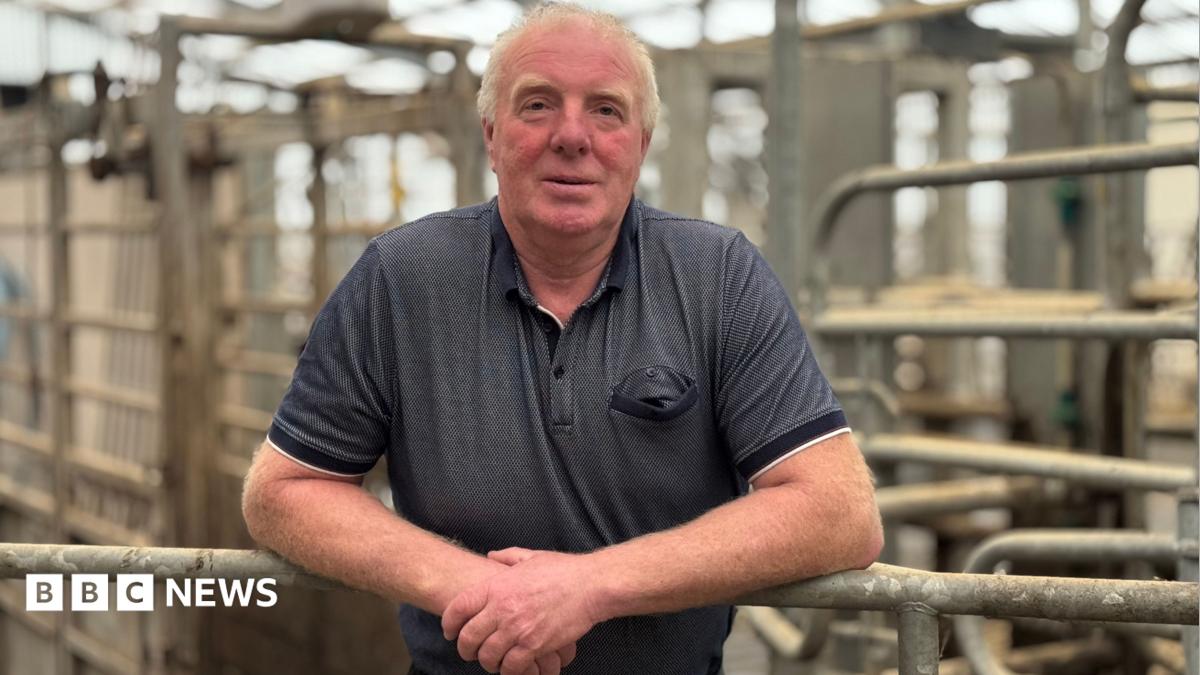
Featured image: George McMaster dairy farmer. George has grey hair and is wearing a blue top.. Via original publisher. Image source