Many shoppers now believe retailers are using artificial intelligence to adjust prices based on individual customers or their perceived needs. Source: wsj.com.
This belief has grown in recent months, fueled by personal stories and online discussions. Consumers report seeing price changes after a purchase or when they appear to be in financial hardship.
What Shoppers Are Seeing
Shoppers report seeing products priced higher after a prior purchase. Others note price increases when they mention being on a tight budget.
One person bought a basic item at a discount. Later, they found the same product priced higher. Another said a restaurant raised prices after a customer shared they were struggling financially.
These stories spread quickly on social media and online forums. They reinforce the idea that pricing changes in real time based on personal circumstances.
How Retailers Respond
Major retailers like Walmart and McDonald’s have publicly denied these claims.
Walmart says it does not use AI to adjust prices based on individual customers or personal situations. Pricing is based on cost, supply, and market conditions, not on who buys or their financial status.
McDonald’s states its pricing is consistent and transparent. It does not change prices based on a customer’s financial need or situation.
Both companies say such practices would break consumer trust and lead to unfair pricing.
How AI Is Actually Used in Retail
AI tools help retailers manage inventory, forecast demand, and optimize supply chains.
For example, AI predicts how many units a product will sell in a region. This helps stores stock the right amount.
AI also detects when stock is low and triggers restocking. It can monitor competitor pricing to stay competitive.
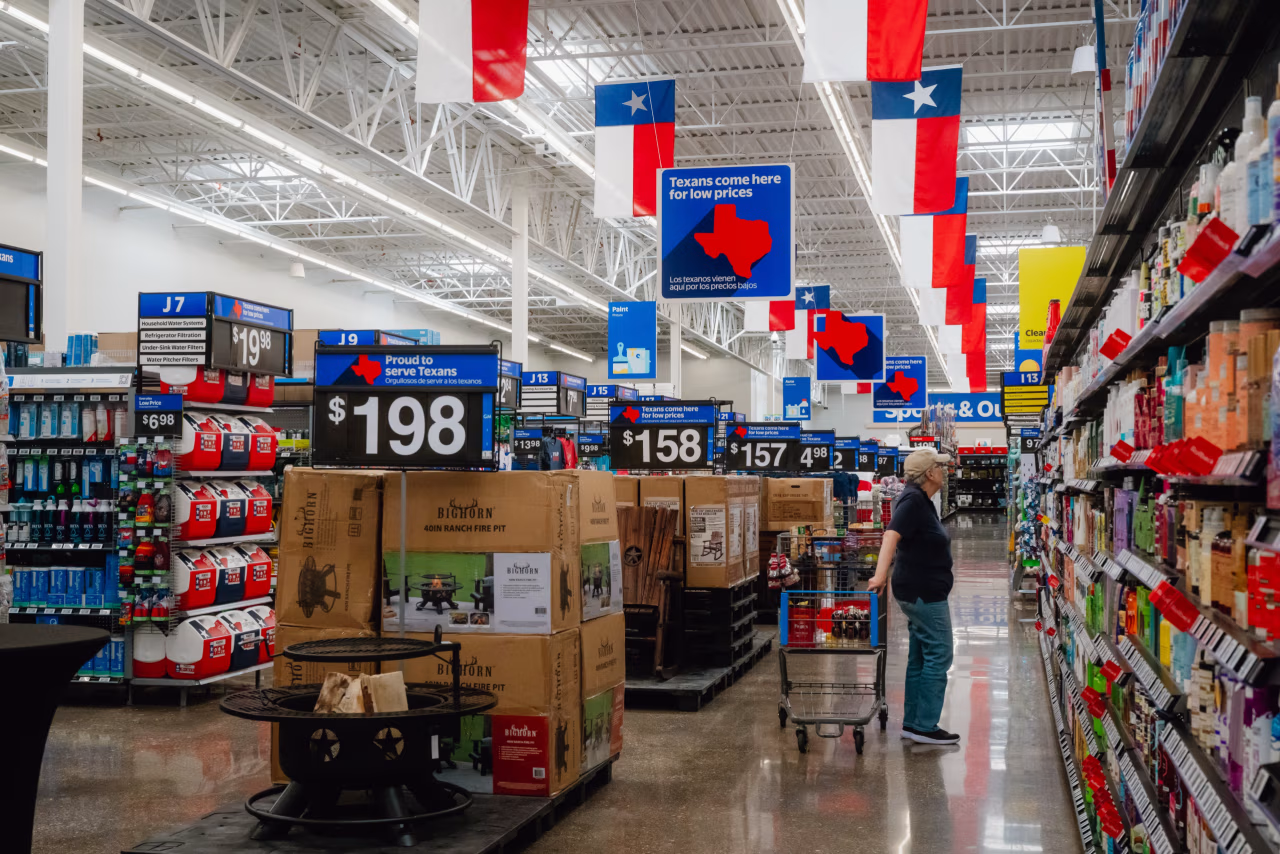
But these tools do not adjust prices in real time based on a customer’s profile or financial status.
Why the Misconception Persists
Several factors keep the belief alive.
- More people now understand AI’s role in business.
- Personal stories spread fast on social media, even if they don’t reflect company-wide practices.
- Some retailers use dynamic pricing in limited cases—like sales or promotions—without clear explanation.
When shared widely, these experiences create a false impression that AI targets vulnerable customers.
Limitations and Open Questions
There is no public evidence that major retailers use AI to adjust prices based on individual customers.
AI tools use aggregated, anonymized data. They do not include personal customer information.
Still, many shoppers believe retailers use AI to raise prices during financial hardship.
Experts say this reflects a broader concern about pricing transparency and how technology shapes consumer experiences.
What to Watch Next
As AI grows in retail, public scrutiny will increase.
Regulators may examine whether dynamic pricing—especially with personal data—violates consumer protection laws.
Companies will need to explain how their pricing algorithms work and what data they use.
Until then, the belief that AI targets vulnerable customers will remain a major concern for many shoppers.
Sources & further reading
Featured image: original publisher image. Via original publisher. Image source