Sharing a planet doesn’t mean we automatically feel a shared sense of belonging. This idea is central to a new psychological analysis.
What Is Global Belonging?
Global belonging means feeling that humans are part of Earth. It doesn’t require giving up national, cultural, or community identities.
It comes from seeing Earth as a shared ecosystem. This shifts identity from place-based to planetary. It emphasizes interdependence over separation.
Dr. Kelly-Ann Allen notes in her 2026 work that this view can inspire care for both the planet and fellow humans — even when personal safety isn’t at risk.
From Ant Colonies to Human Societies
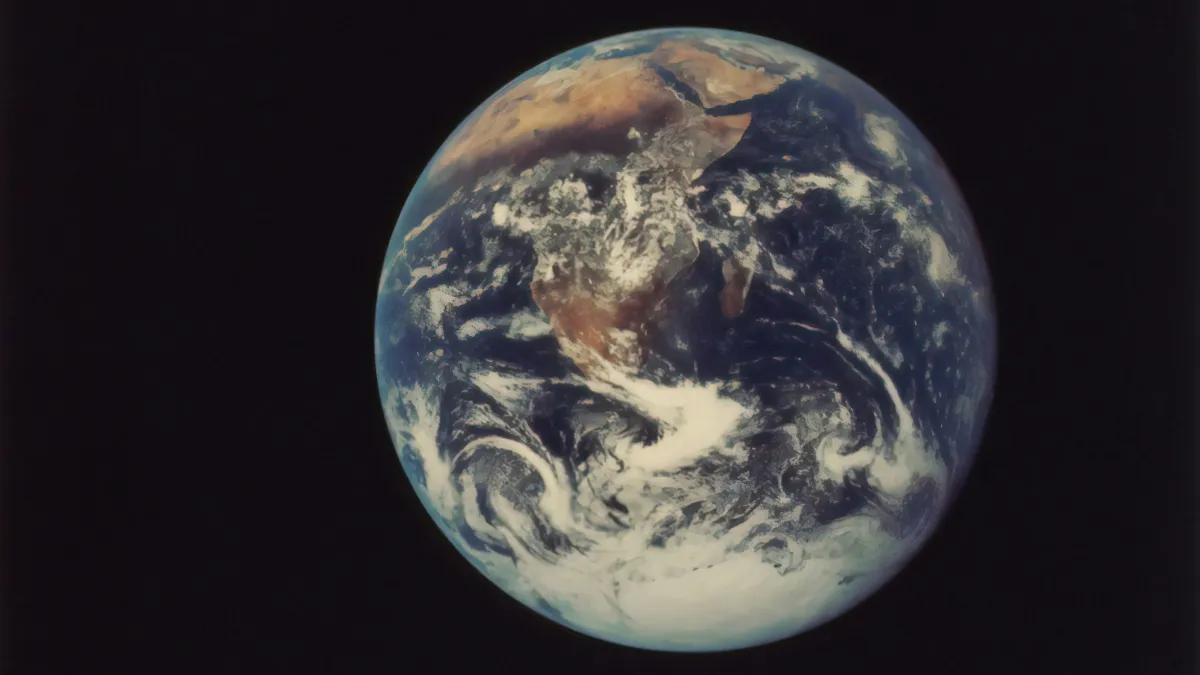
From space, Earth looks like a fragile, spinning sphere. Astronauts often describe a deep shift in perspective — the Overview Effect.
Frank White first described this in 1987. He found astronauts often feel a strong emotional and cognitive connection to Earth after seeing it from orbit.
Dr. Allen writes that this shift can change values, increase environmental awareness, and foster a sense of unity with humanity. It brings humility and responsibility — the idea that no nation controls Earth’s fate.
These insights suggest that seeing Earth as a shared home can build a more compassionate, cooperative worldview. Astronauts often say they feel a deep responsibility for Earth’s health. They know actions in one place affect the whole planet.
Belonging and Conflict
A strong sense of belonging doesn’t always lead to peace. Group identities have often been used to justify violence.
Dr. Allen observes that such conflicts arise not from a lack of belonging, but from a misreading of what it means to belong. She writes: ‘Conflicts and violence of this nature could arise from individuals who feel a strong sense of belonging rather than those who lack it.’
Exclusionary nationalism often claims only certain groups belong to a nation. This ignores people from diverse backgrounds. When people are excluded, their belonging is not just weakened — it’s destroyed.
This leads to displacement, trauma, and long-term harm. When communities feel erased, they may respond with resistance or violence. This shows why inclusive belonging matters.
Global Belonging Does Not Mean Uniformity
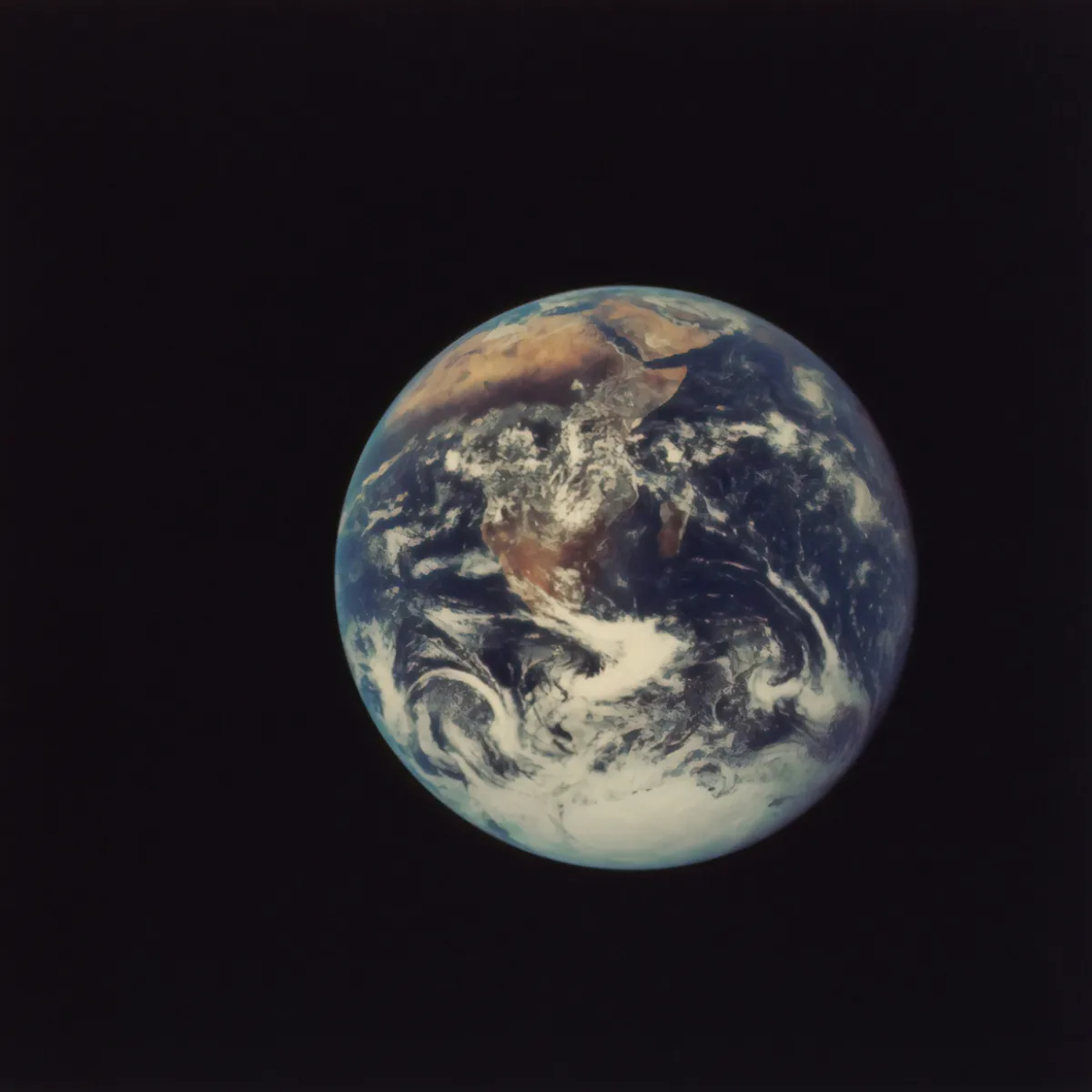
Global belonging doesn’t require everyone to share the same beliefs or values. From above, Earth may look like a unified system — like an ant colony.
But up close, it shows deep divisions: violence, inequality, and suffering.
Dr. Allen says global belonging should not replace local identities. It should support them. People can feel deeply connected to heritage and still belong to humanity.
Why This Matters Today
Climate change, migration, and global crises need a new kind of belonging — one that goes beyond borders and ideologies.
When people feel connected to Earth, they care more about its health and others’ well-being. This sense of responsibility can shape decisions during war, conflict, or emergencies.
For example, people with strong global belonging may support environmental policies, push for climate justice, or oppose actions that harm vulnerable groups. This fosters empathy and reduces seeing others as threats.
Yet, global belonging is still underdeveloped in public discussion. It’s often replaced with calls for national pride. This reflects a trend that values identity over interdependence — a trend that weakens our ability to face shared challenges.
What Research Still Needs to Answer
It’s unclear if the Overview Effect can happen in everyday life. Can people feel global belonging without leaving Earth?
Researchers must study how this sense influences real choices — especially in crises. Does it reduce violence? Does it promote cooperation?
There’s also a gap in how global belonging works with existing identities. Can people hold multiple loyalties? Can they feel deep ties to community and to humanity? These questions are key for inclusive policies and education.
Limitations and Open Questions
The source doesn’t claim global belonging eliminates conflict. It doesn’t say all people will naturally feel connected to Earth. Cultural and historical differences remain significant.
Belonging is not a one-size-fits-all experience.
The psychological roots of global belonging are not fully known. How does it form? What triggers it? What blocks it? While the Overview Effect is well-documented among astronauts, its reach to everyday people is uncertain.
Dr. Allen ends with a question: What would the world look like if we cared enough for humanity not to destroy our world or the people in it? That is not a fantasy. It’s a realistic possibility — one that depends on how we define belonging.
The original source is available at Psychology Today.
Sources & further reading
Featured image: original publisher image. Via original publisher. Image source