Bulgaria holds presidential elections on Sunday. Voters choose between candidates with sharply different views on the war in Ukraine and Bulgaria’s relationship with Russia. Source: dw.com.
Key Candidates and Their Positions
Incumbent President Iliana Iotova, 62, leads polling with 41–47% support. She favors dialogue with Moscow to end the war in Ukraine and opposes military aid to Kyiv.
Her position aligns with that of Prime Minister Rumen Radev, who also supports dialogue with Russia. A win for Iotova would strengthen Radev’s political standing.
Andrey Gyurov, 50, is the main challenger with 28–31% support. He is backed by the pro-Western opposition and criticizes Radev’s foreign policy.
Gyurov supports stronger ties with NATO and the EU. He says Bulgaria must stand firmly with Ukraine, calling for more military and economic support.
Kostadin Kostadinov, leader of the pro-Russian far-right Vazrazhdane party, holds 10–13% support. His party openly supports closer relations with Russia and doubts Western involvement in Ukraine.
There are 27 presidential-vice-presidential pairs running. Nearly half openly support pro-Kremlin positions. This shows deep political polarization in Bulgaria.
Security Incidents and the War in Ukraine
Four merchant ships were allegedly hit by drones off Bulgaria’s coast this month. The attacks are suspected to be linked to the Ukraine war.
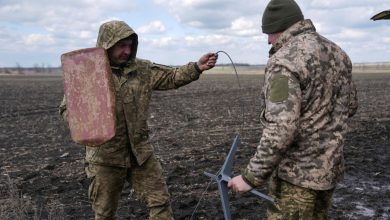
Starlink satellite internet antennas—key to Ukraine’s defense—were set on fire near Sofia. These incidents show growing risks to critical infrastructure.
Prime Minister Radev says the attacks serve Russian interests. He has summoned the Russian ambassador. But the government has not blamed Moscow directly.
Domestic Challenges
Bulgaria faces high energy prices and inflation. These pressures hit households hard, especially in the EU’s poorest member state.
Corruption remains a long-standing concern. Voters are frustrated by frequent coalition breakdowns and political instability.
Many hope for a stable, accountable government that can deliver consistent policies and restore public trust.
How the Presidency Works
The Bulgarian presidency is mostly ceremonial. But the head of state can appoint interim governments during crises.
The president is commander-in-chief of the armed forces and can veto legislation passed by parliament. These powers are rarely used but are vital in emergencies.
If no candidate wins a majority in the first round, a run-off is held on November 1. Iotova and Gyurov are the most likely to face each other.
Why This Election Matters
This election reflects broader tensions between Russia and the West. It shows how Bulgaria balances security, economy, and foreign policy.
Voters are looking for leadership that ensures national stability, economic resilience, and institutional integrity.
The result may shape Bulgaria’s future role in European security and its alignment with democratic allies.
Official results will be released up to 48 hours after voting ends. Exit polls will be released when polling closes.
Sources & further reading
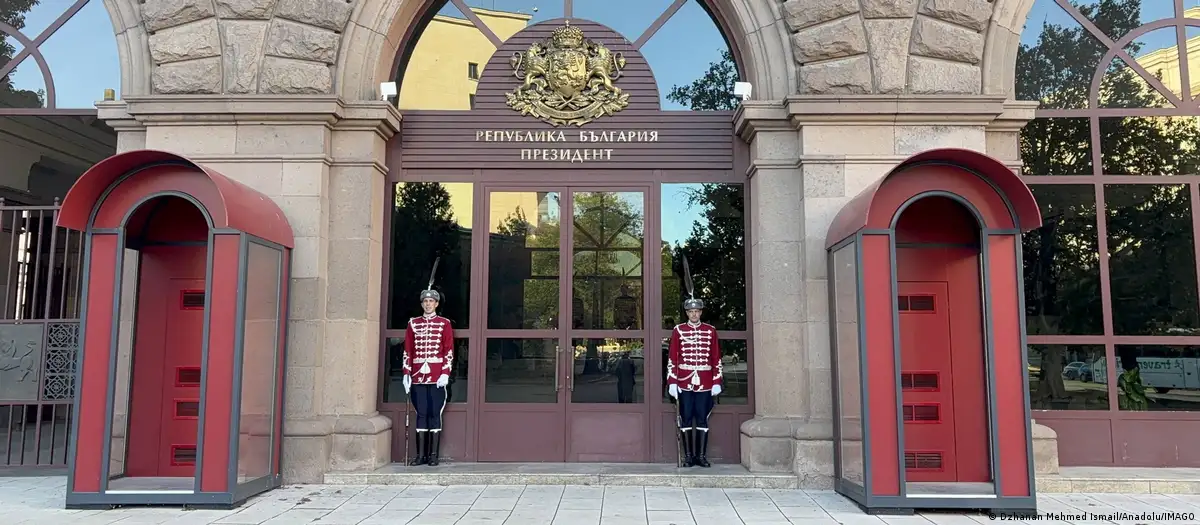
Featured image: Presidential Palace in Sofia, entrance with two guard boxes on each side, two guards in ceremonial uniform in front of the door. Via original publisher. Image source