A daughter of a woman who was drugged and raped by her husband has called for a legal review of third-party consent in sexual offences. This case highlights a critical gap between current legislation and the realities of modern abuse, especially in the digital age.
What Happened in the Case
Joanne Young, from Swindon, Wiltshire, was abused by her husband Philip Young over 13 years. He drugged her and had sex with her while she was unconscious. Philip used online sites like Craigslist, Grindr, and Fab Swingers to advertise her for sex without her knowledge or consent.
Four men, all strangers, were convicted of abusing Joanne. The prosecution said none sought her consent. The men claimed they were misled by Philip and thought Joanne agreed. The court found their actions still criminal because consent cannot be assumed when someone is incapacitated.
Legal Position on Consent
The Sexual Offences Act 2003 defines consent as a choice made freely and with capacity. A person cannot consent if under the influence of drugs, alcohol, or trauma. James Foster, a CPS prosecutor, said no defendant could assume Joanne was willing. He stressed that consent is personal and cannot be given by someone else or inferred from a third party.
Daughter Calls for Law Change
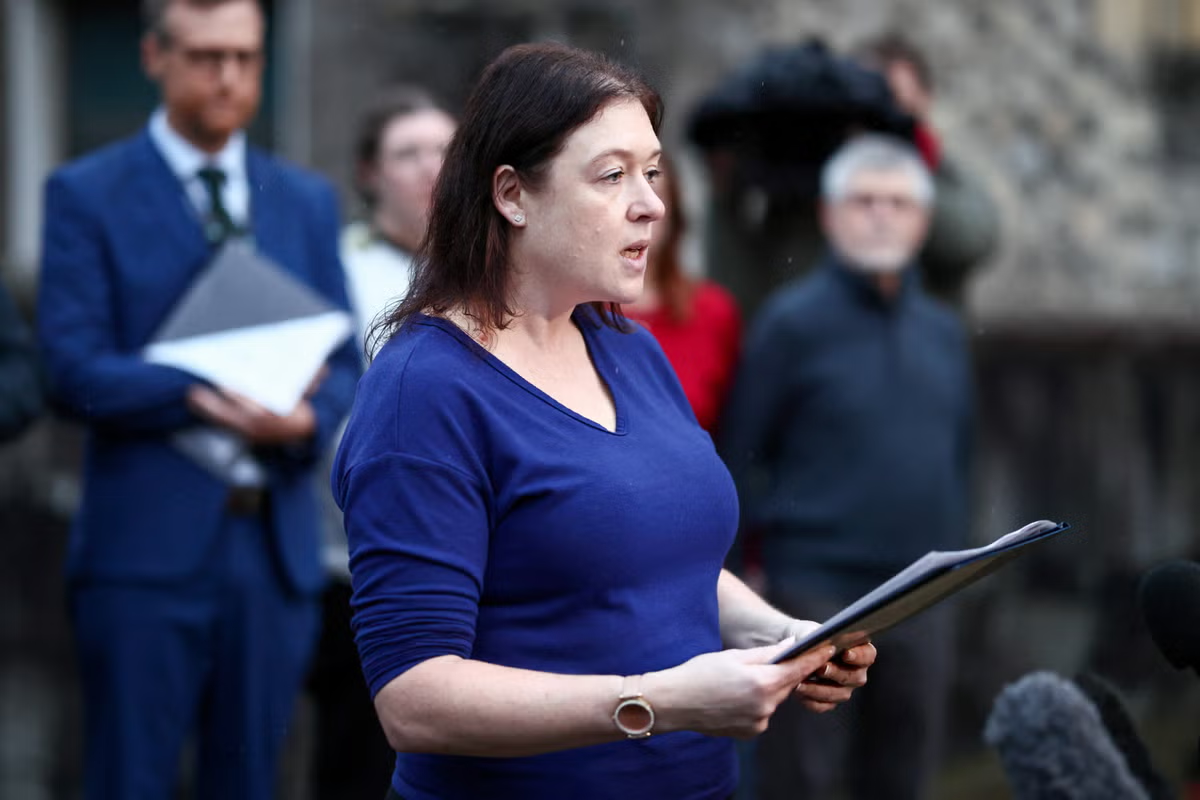
Alex Young, Joanne’s daughter, publicly supports her mother’s message. In a social media post, she said society still debates whether third-party consent is valid. She called this ‘simply unacceptable’ and noted the law hasn’t changed in 23 years, despite major social and technological shifts.
She praised Joanne’s strength and courage. Joanne made tough choices to ensure justice. Alex said the case reflects a wider need: protecting women and girls from abuse, especially when they are manipulated or incapacitated.
Government and Expert Response
Former minister Jess Phillips said this case is not isolated. She pointed out that online platforms like Grindr and Craigslist allow abusers to connect easily. She said: ‘The ability of these men to find each other on websites you and I could just log on to now – it just means these cases are going to keep on coming.’
She urged the government to strengthen online safety laws. She asked whether sites like Craigslist, Grindr, and Fab Swingers can guarantee they aren’t used for abuse. She also questioned if pornographic sites ensure every video shows fully informed and sought consent.
Why This Matters
This case shows how digital tools are used to enable abuse. The law still relies on outdated definitions of consent. Without clear rules on third-party consent—especially in cases of incapacitation—victims remain at risk. Legal proceedings may also be undermined by assumptions about consent.
What to Watch Next
There is no formal government plan to update third-party consent laws. Experts say such a review could take years. No timeline has been set. Enforcement actions against online platforms remain unannounced. However, this case may spark broader discussions on digital safety, consent, and accountability.
For more on violence against women and girls, see the original report.
Sources & further reading
Featured image: original publisher image. Via original publisher. Image source