Students in England will begin learning how to identify fake news and financial scams as part of a major curriculum overhaul. Source: independent.co.uk.
Key Reforms in the National Curriculum
Mandatory citizenship education starts at primary school level.
Students will learn media literacy and digital awareness to detect bias and misleading information.
They will also learn how to disagree respectfully—building skills for informed citizenship.
Practical financial education will expand, helping children avoid scams and manage money responsibly.
Computing GCSE to Include AI and Data Modules
The revised computing GCSE will cover data handling and artificial intelligence.
This update aligns with global trends in digital education.
Oracy and Speaking Assessments
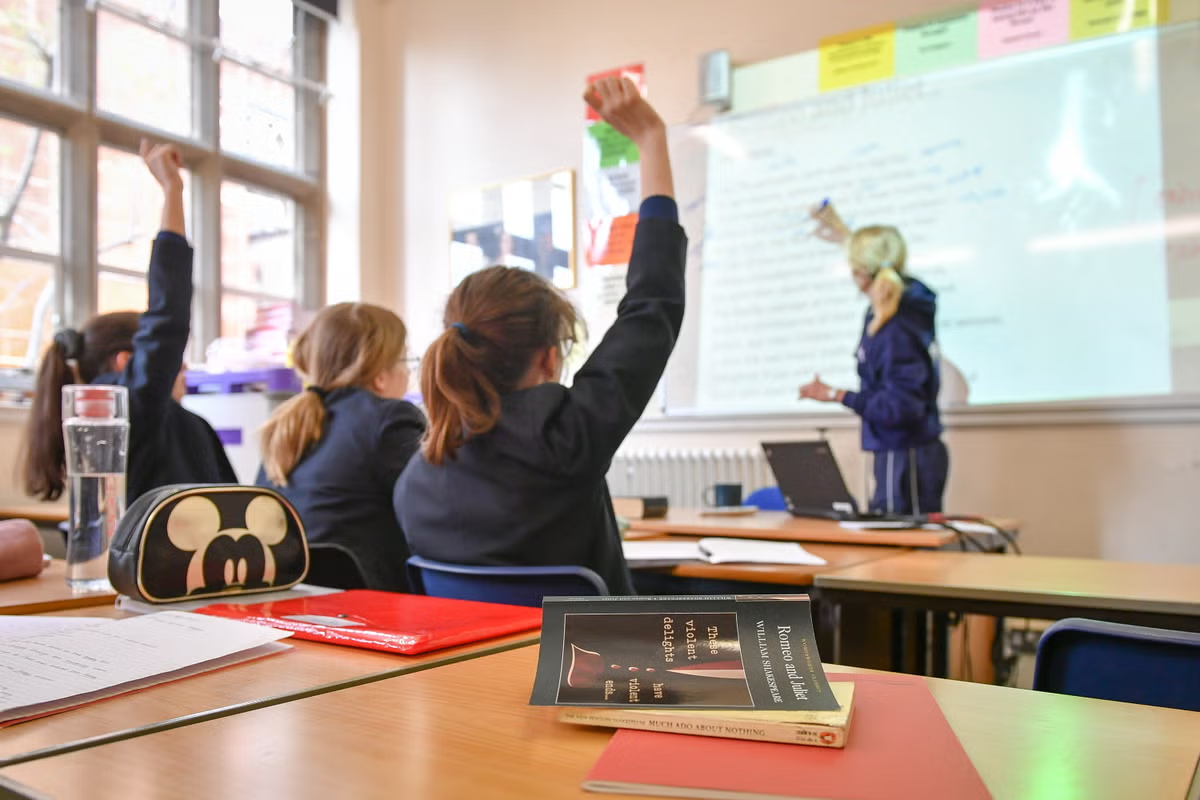
A new end-of-primary oracy test will assess students’ speaking and listening skills.
Geoff Barton, chair of the Oracy Education Commission, says students will learn to explain ideas, analyse views, and debate respectfully.
Strong communication skills support lifelong learning and active citizenship.
Background and Rationale
Education Secretary Lucy Powell says the curriculum is being modernised for today’s fast-changing world.
She stated: "We are modernising the curriculum, to equip young people for their fast-changing future, not some bygone past."
The last update was over a decade ago. It no longer meets digital and financial challenges.
The reforms follow a previous directive requiring daily reading for pleasure in primary schools.
This aims to reverse declining reading rates linked to screen time.
Responses from Educators and Critics
Consumer rights campaigner Martin Lewis praised financial education.
He said: "It’s a chance to stop young people being sent out into a world of scams, dodgy deals and debt without the tools to cope."
Shadow education secretary Laura Trott criticised the changes.
She said: "The update erodes the core knowledge that has put English pupils in the world’s top 10 for reading, maths and science."
She added: "Oracy has been tried and tested before and it failed. Citizenship classes at primary level risk becoming a dumping ground for unproven ideas."
The Association of School and College Leaders raised practical concerns.
General secretary Pepe Di’Iasio said: "Many schools do not have trained citizenship teachers, and timetables are overcrowded with existing expectations."
He stressed: "The government will need to ensure schools have the support and time to deliver these programmes effectively."
Di’Iasio also said: "School leadership must understand what value the speaking assessment brings, how it will be meaningfully assessed, and what additional pressures it will place on children and staff."
What This Means for Schools
Primary schools must implement citizenship and media literacy modules.
Secondary schools have more flexibility to tailor content to student needs.
Success depends on teacher training, proper planning, and available resources.
Without support, implementation may face serious challenges.
The government has not yet detailed how the changes will be rolled out or assessed.
The full rollout begins in the upcoming academic year.
Sources & further reading
Featured image: original publisher image. Via original publisher. Image source