A co-pilot on a Flydubai flight began a ‘drift towards extremism and terrorism’ while studying in Australia, UAE officials say. Source: bbc.co.uk.
What Happened on the Flight
A routine Dubai-to-Tel Aviv flight turned violent when a pilot allegedly attacked the captain in the cockpit.
The incident occurred during a flight with over 170 passengers and crew on board. The pilot used an emergency crash axe to wound the captain before being overpowered by passengers.
Another crew member, Indian co-pilot Capt Smit Machchhar, managed to unlock the cockpit door and allowed passengers to take control of the aircraft.
The plane was diverted to Saudi Arabia and safely landed, avoiding a potential disaster.
Key Facts from the Investigation
- The pilot, identified as Hamam al-Hammami, was a 29-year-old Omani national.
- He studied at Melbourne University’s RMIT from 2015 to 2017, leaving before completing his engineering degree.
- UAE Attorney-General Hamad Saif al-Shamsi said signs of extremist influence began in 2017.
- He was reportedly influenced by takfiri ideology through extremist literature and online content.
- He admitted preparing psychologically and physically for a terrorist act, including training in boxing.
- He claimed to have acted alone, though investigations are ongoing to verify this.
- His now-deleted X account contained tweets referring to his time abroad as ‘the golden years of my religious commitment’.
Background: Security and Recruitment
Al-Hammami was previously barred from flying by Oman Air due to concerns about his extremist views.
He was later hired by Flydubai after standard security checks, which did not include a review of his radicalisation history.
Israeli aviation regulations prohibit pilots from countries without formal diplomatic relations with Israel — such as Oman — from operating flights to Tel Aviv.
Why It Matters
The incident raises serious questions about aviation security protocols, especially regarding background checks for pilots with international study histories.
It highlights gaps in how airlines assess potential radicalisation risks, particularly in cases involving individuals with prior academic exposure abroad.
Authorities in Australia are now investigating links between the pilot and the country, including his student visa and academic activities.
What to Watch Next
Further details are expected as investigations continue into the pilot’s extremist beliefs and recruitment path.
Security experts will likely assess whether Flydubai’s hiring process failed to detect early signs of radicalisation.
Additional scrutiny may follow on how airlines vet applicants from countries with known extremist ideologies.
For more on the plot to crash the plane into Tel Aviv, see our report: Flydubai Co-Pilot Planned to Crash Plane into Tel Aviv, Reports Say.
UAE officials have not confirmed whether the pilot’s actions were part of a planned suicide attack. The claim that he intended to crash the plane into Tel Aviv’s airport remains under investigation.
While the pilot acted alone, the incident underscores the need for stronger screening of aviation personnel with histories of radicalisation exposure.
Sources & further reading
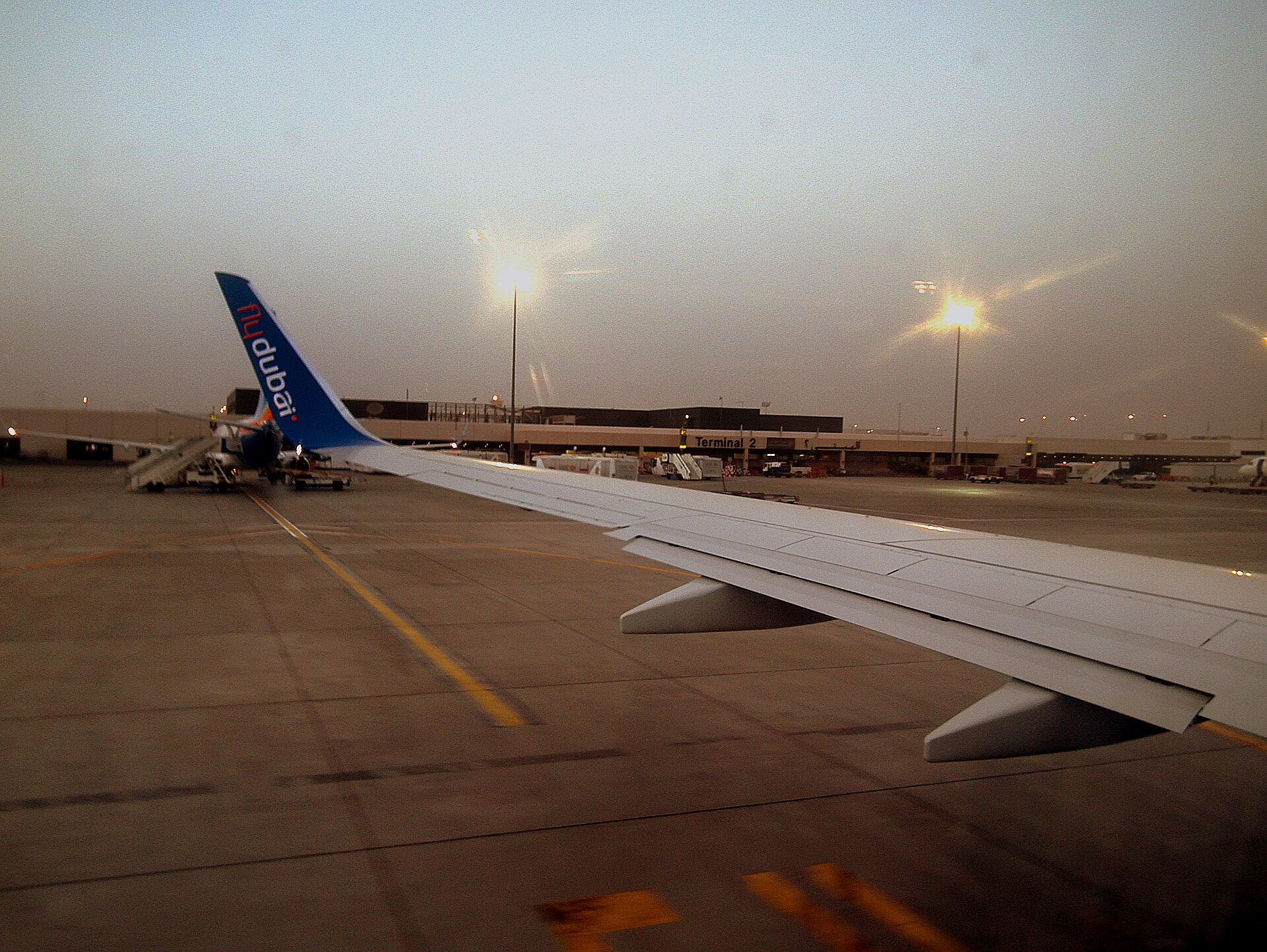
Featured image: Flydubai in Prince Naif bin Abdulaziz Regional Airport.JPG by Abodi009, CC BY-SA 3.0, via Wikimedia Commons. Image source · License