Global food prices have reached their highest level in over three years. This surge is widely linked to rising oil and energy costs.
What Happened
According to a report by The Guardian, food prices are increasing due to higher energy costs. The most common explanations point to transport and fertilizer costs.
However, the actual connection between oil and food production runs deeper than these two areas.
How Oil Enters Food Production
Josh Toussaint-Strauss, along with contributors Alex Healey, Sarah Verrall, Ali Assaf, and Ryan Baxter, examines three key food categories: meat, processed staples, and fruit and vegetables.
Meat Production
Meat production relies on energy-intensive processes. Feed production, livestock operations, and refrigeration all require significant energy.
Many of these operations use diesel-powered equipment and electricity, both of which depend on oil-derived energy.
Processed Staples
Processed foods like bread, pasta, and snacks require energy for manufacturing. This includes heating, mixing, and packaging.
These processes often use electricity generated from fossil fuels, especially in regions where renewable energy is limited.
Fruit and Vegetables
While often seen as low-energy, fruit and vegetable production still depends on oil.
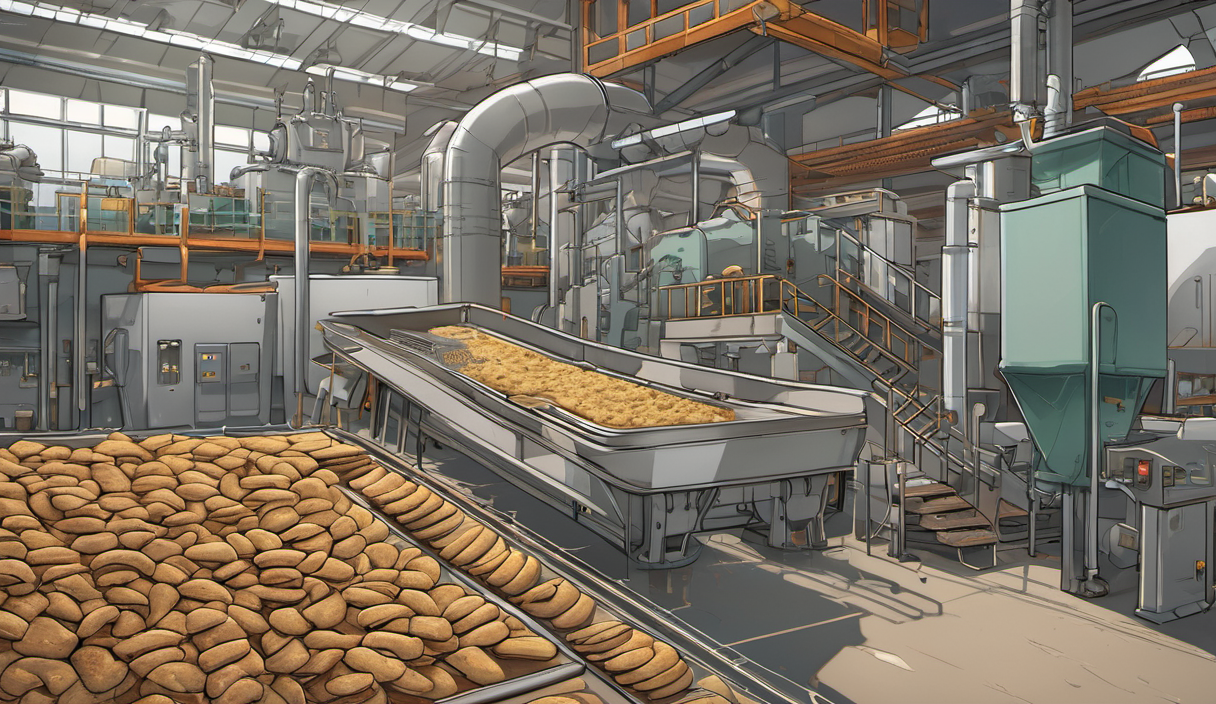
Equipment for irrigation, harvesting, and storage uses diesel or electric machinery. Refrigeration and cold chain logistics also rely on oil-based power.
Why It Matters
As food prices rise, households face greater financial strain. This is especially true in low-income regions where food spending is a large portion of income.
The link between oil and food prices shows how energy markets affect daily life. It also highlights the vulnerability of food systems to global energy shifts.
Limitations and Open Questions
The report does not quantify the exact share of oil-related costs in food production. It also does not compare regional differences in energy use.
Further research is needed to understand how climate change, policy shifts, or technological advances might alter this relationship.
What to Watch Next
As oil prices fluctuate, food prices are likely to follow. Monitoring these trends will help governments and consumers prepare.
For those concerned about rising living costs, Australia’s trend of second jobs offers a glimpse into how people adapt to economic pressure.
Understanding the energy-food link can also inform decisions about food affordability and sustainability. For more on housing costs, see mortgage trends.
For a deeper look at the topic, watch the full video on The Guardian’s website: Why Rising Oil Prices Make Food More Expensive.
Sources & further reading
AI-generated illustration.