French police deploy in big numbers and Paris shuts major museums ahead of new protests
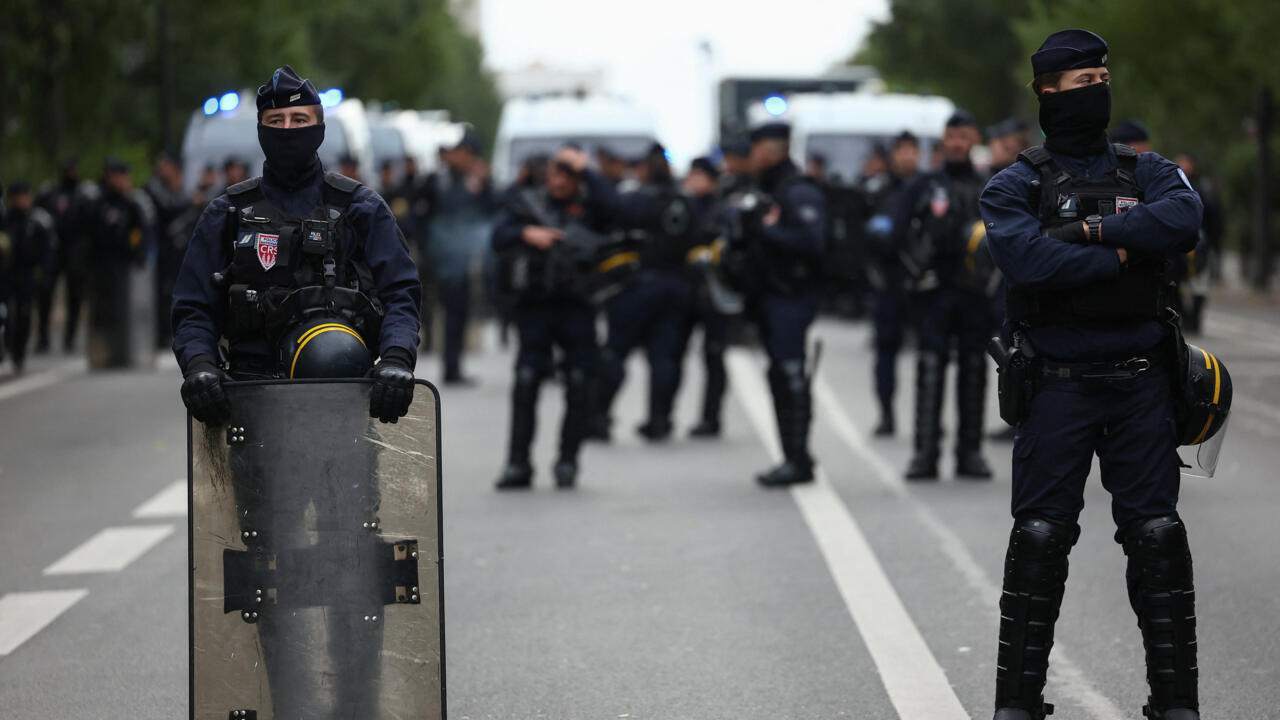
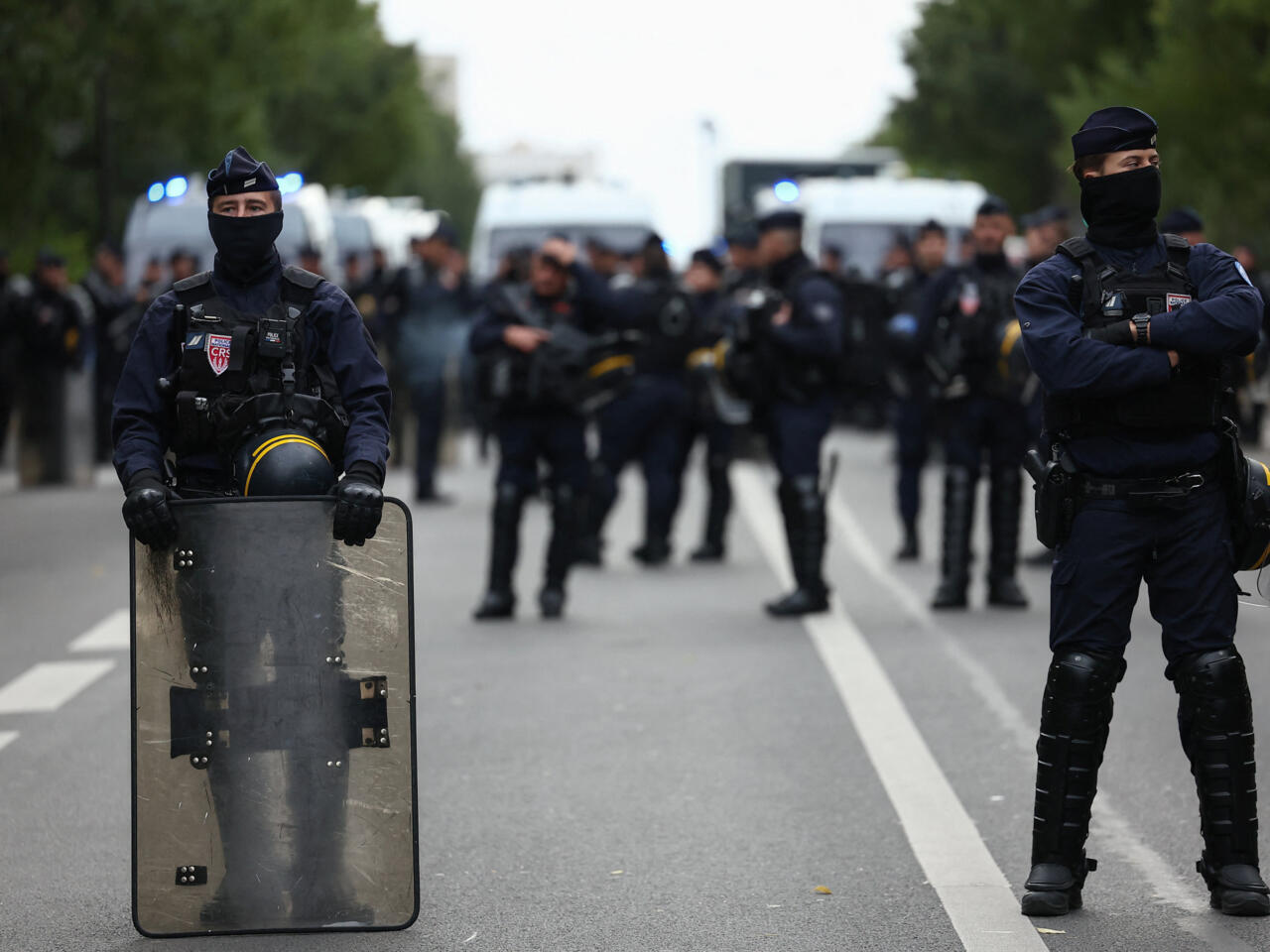
France is preparing for new protests after unrest erupted during student demonstrations last week. About 70,000 police officers will be deployed nationwide. Major Paris museums—including the Louvre, Orsay Museum, Picasso Museum, and Grand Palais—are closing on Saturday.
What Happened: Unrest and Government Response
Protests began at a high school southeast of Paris. Students raised concerns about understaffed classrooms and poor learning conditions. The action spread to suburbs and beyond. It soon grew into a wider protest over rising living costs.
Last weekend, looting and attacks on public buildings occurred in several cities. In Paris, businesses were vandalized and vehicles were set on fire. About 3,000 shops were damaged or looted. In Limoges, a suspected arson attack nearly destroyed the 19th-century city hall.
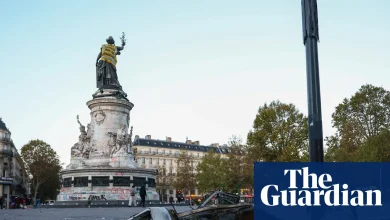
Parisian shopkeepers barricaded their stores with wooden panels, especially near Place de la République. Police prefect Patrice Faure first advised them to hire security guards. He later said protecting businesses is the government’s responsibility.
Key Government Actions
- Interior Minister Laurent Nuñez deployed 70,000 police officers. Units include armored vehicles, helicopters, and water cannons.
- Major museums such as the Louvre and Grand Palais are closed on Saturday for public safety.
- Art Basel opened only for one day on Friday. Its weekend program was canceled due to safety risks.
- Protests are set in Paris and Marseille. Rallies in Lyon, Nice, and Montpellier have been banned by local authorities.
Trade unions say the bans violate constitutional rights to free expression. They argue such actions weaken public trust and may fuel more unrest.
Background: From Students to National Anger
Students first spoke out about underfunded schools and staff shortages. Many live in lower-income areas. Some also called for university admissions reform, seen as unfair.
When the government did not respond, the movement broadened. It now reflects wider anger over economic hardship and inequality.
Victoria Ambrosini, an art critic and teacher at Saint-Denis University, said: "The money is now concentrated in the hands of very few people. And it’s not possible anymore." Her words show growing frustration among young people.
Why It Matters
President Emmanuel Macron entered the crisis late in his term. His popularity has dropped to its lowest since 2017. He says police and venue closures are needed to protect public spaces.
The unrest reveals deep societal divisions over inequality and trust in government. Critics warn that heavy-handed responses could alienate youth and deepen political divides.
A demonstration in Orléans, about 110 kilometers south of Paris, will be closely watched. It could signal a turning point in the unrest.
About 50 groups are calling for a protest against the far right. It will happen during Marine Le Pen’s party congress, ahead of next spring’s presidential election. These include labor unions, left-wing parties, student groups, and anti-racism organizations.
This shows a growing alliance between youth movements and progressive groups. They aim to challenge policies seen as exclusionary.
The situation highlights a growing political divide. Youth voices are now shaping public debates. The balance between safety and civil liberties remains central.
For more on the unrest in French cities, see Paris and French Cities Torn by Riots Amid Protests Over Cost of Living.
For updates on France’s response to violence, see France Braces for More Protests Amid Violence.
For details on banned protests, see France Bans Protests in Marseille and Lyon Amid Riots.
The original report is available at France 24.
Sources & further reading
Featured image: original publisher image. Via original publisher. Image source