Red hair has long been seen as a bold statement. It stands out, draws attention, and carries cultural significance. For many, it’s a personal expression of confidence and individuality. Whether worn as a fleeting trend or a long-term style choice, red hair evokes emotion and visual impact. Its vibrant presence makes it a powerful tool in personal branding and self-expression.
Why Red Hair Works for Different Skin Tones
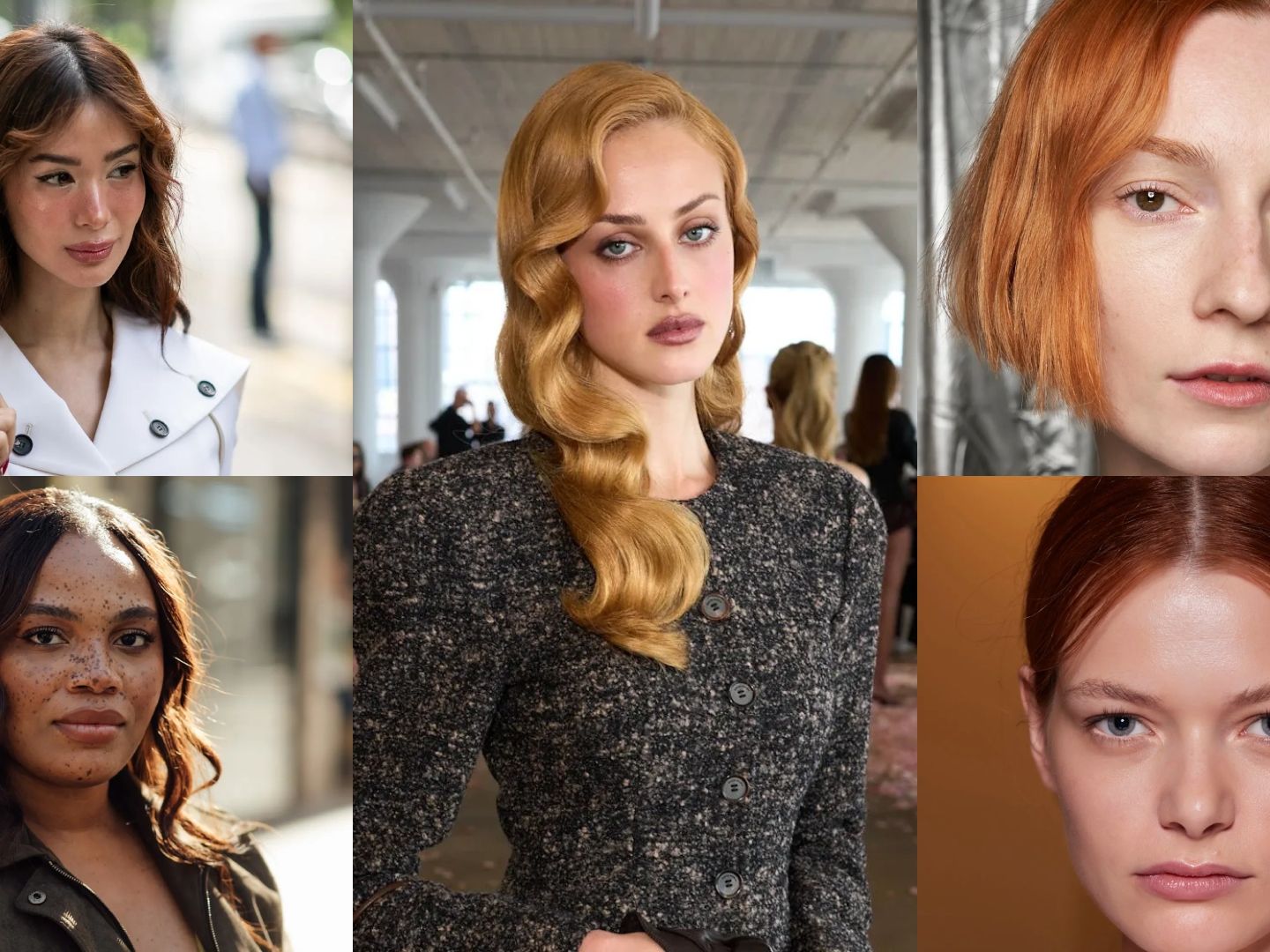
Red hair is not one shade. It ranges from warm copper to deep burgundy, with variations in tone and depth. The key to its appeal lies in how it interacts with skin tones. A well-chosen red can create harmony, while a mismatched shade may feel jarring or overwhelming.
Lighter skin tones often look best with warm, golden reds. These shades complement the natural brightness of the complexion without overpowering it. A copper or strawberry red can appear vibrant and balanced, especially under natural daylight. The golden undertones reflect off fair skin, enhancing a radiant, sun-kissed appearance.
Medium skin tones benefit from rich, deep reds. These hues add depth without clashing. A true crimson or a bold burgundy can create a harmonious contrast with the skin’s natural tone. The deeper pigments reflect light in a way that feels grounded and elegant, making them ideal for those with a balanced, warm complexion.
Deeper skin tones may find a strong match in deeper, more saturated reds. These include rich maroon or burnt red. Such shades do not feel harsh or out of place. Instead, they blend with the undertones of the skin, creating a seamless and confident look. For individuals with brown or olive skin, a maroon or deep burgundy can feel like a natural extension of their natural features.
How to Choose the Right Shade
Choosing the right red hair color depends on several factors. These include natural hair color, skin tone, and personal style. A person’s existing hair texture and base color also influence how a red hue will appear.
For those with naturally dark hair, a red hue can be a dramatic change. A light red or a soft coral can add warmth without drastic contrast. A deeper red may appear too intense, especially if the base hair is already dark. In such cases, a subtle, blended red with a hint of orange can provide a more natural transition.
People with lighter hair may find that a red tone enhances their natural color. A strawberry blonde or a copper blend can create a natural, sun-kissed look. These shades are particularly effective when the hair has a golden or honey base, as they amplify the warmth without creating a stark contrast.
Those with gray or silver hair might consider a warm red. It can add vibrancy without looking artificial. A brick red or a rust tone works well in this case. These shades are less likely to appear harsh or synthetic, especially when applied with a professional technique that blends the color into the existing strands.
Popular Red Hair Shades and Their Uses
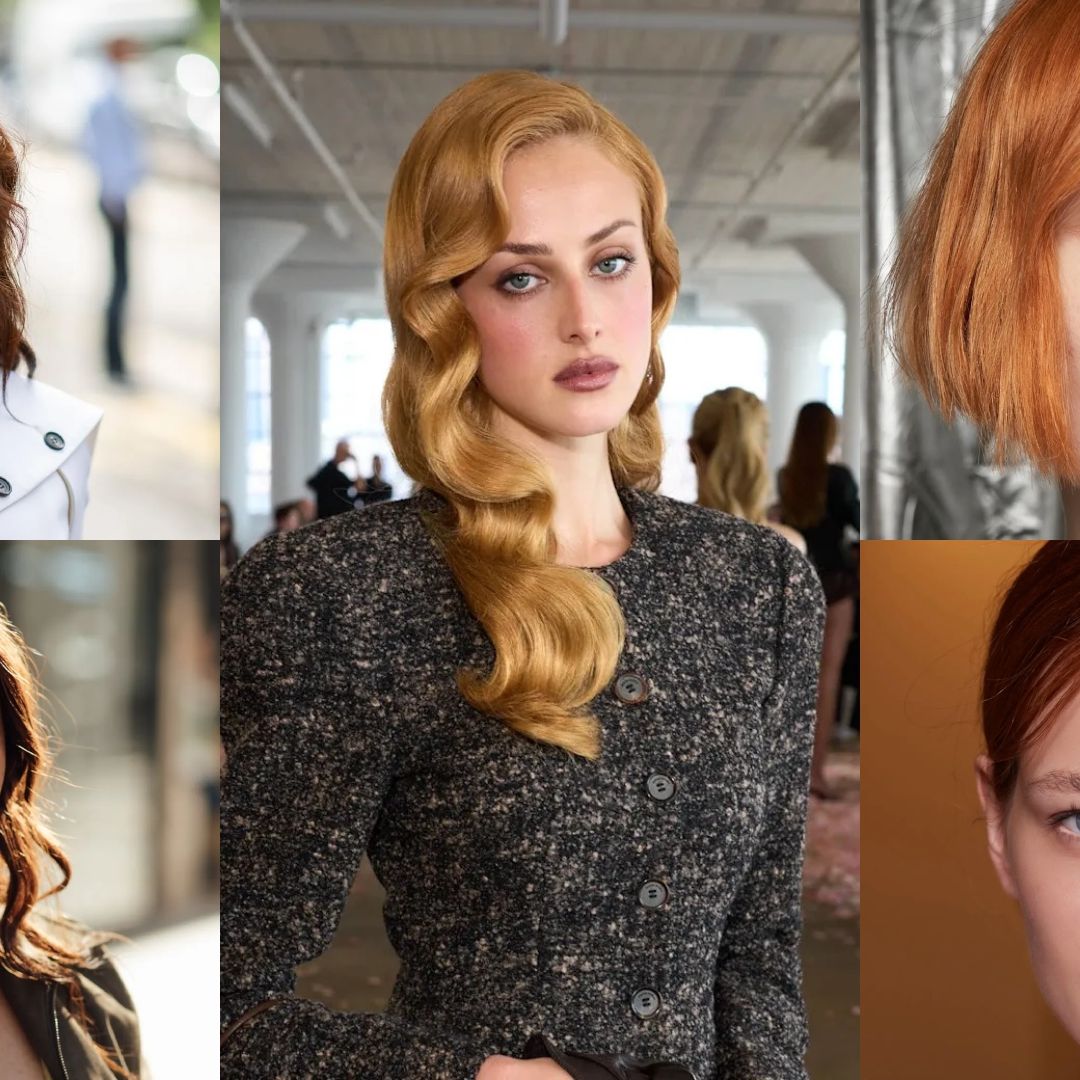
- Copper Red: A warm, golden hue. Best for fair to medium skin tones. Adds a natural glow and is especially effective when paired with light or medium hair.
- Strawberry Red: A bright, slightly pinkish red. Works well with lighter skin and golden undertones. It has a playful, energetic vibe and is often associated with youthful energy.
- Burgundy: A deep, rich red. Ideal for medium to deep skin tones. Offers a sophisticated, mature look and is often seen in professional or formal settings.
- Maroon: A dark, earthy red. Matches well with deeper skin tones. Feels grounded and elegant, making it a great choice for individuals with a more mature or refined aesthetic.
- Brick Red: A bold, slightly orange-red. Great for those who want a strong, modern statement. This shade is particularly striking when worn with a straight or wavy hair texture and can stand out in both casual and formal environments.
Each shade has its own visual impact. The choice should reflect both personal preference and the wearer’s natural features. For instance, someone with a round face might find a softer, copper red more flattering than a bold burgundy, which could accentuate the facial structure.
Practical Tips for Application
Red hair color can be achieved through salon treatments or at-home kits. Salon services offer more precision and consistency, especially for complex color blends or layered effects. A professional stylist can assess hair porosity, texture, and previous treatments to recommend the best approach.
At-home kits may require multiple applications. Results can vary based on hair type and porosity. Fine or damaged hair may need special care, such as pre-treatment conditioning or a protective sealant. Users should also consider the frequency of washing, as frequent shampooing can strip color and lead to faster fading.
After application, hair may appear brassy. This is common with red shades due to the chemical composition of many red dyes. A toner or a hair mask can help neutralize the brassiness. These products typically contain violet or blue pigments that counteract the yellow tones in red hair.
For those with curly or textured hair, a heat-protectant step is essential. Heat can damage hair and reduce the vibrancy of the color. Before any styling, especially with heat tools, applying a heat-protectant spray ensures that the hair remains healthy and the color stays vibrant.
Real-World Examples
Jennifer Love Hewitt has worn red hair in multiple styles. Her choices have shown how different shades work with various skin tones. Her copper red look complements her fair complexion and adds a touch of warmth to her overall appearance.
Selena Gomez has worn brick red nails and red hair. Her bold choices suggest that red can be both stylish and empowering. These appearances demonstrate how red can be used confidently across different body types and tones. Her styling often blends red with other bold elements, such as accessories or makeup, creating a cohesive, high-impact look.
Many users report that red hair makes them feel more confident. One contributor noted, ‘It’s like I finally feel seen.’ This emotional response is common among those who embrace a new look. The psychological effect of red—associated with energy, passion, and strength—can contribute to a sense of empowerment and self-assurance.
Limitations and Considerations
Red hair can fade over time. This depends on exposure to sunlight and hair washing frequency. Sunlight, in particular, accelerates fading due to UV radiation breaking down the pigment molecules in hair.
Some people may experience irritation or dryness after red hair treatments. This is especially true with chemical dyes. A patch test is recommended before full application to ensure the individual does not have an adverse reaction. Those with sensitive scalps or allergies should consult a dermatologist before attempting a new hair color.
Not all red shades suit every face shape or hair texture. A person with very fine hair might find the color too heavy or dull. In such cases, a lighter, more diluted shade or a semi-permanent option may be more appropriate. Similarly, individuals with thick, coarse hair may find that red appears more intense and can benefit from a blended, layered application.
There is no universal rule for which red works best. Results depend on individual features and personal taste. What looks striking on one person may appear overwhelming on another.
What to Watch For in Future Trends
As hair color technology advances, more natural-looking reds may emerge. These could include shades that blend better with skin tones and hair textures. Innovations in dye chemistry may allow for more subtle, skin-tone-matched reds that avoid the traditional brassy or artificial appearance.
Salons may offer more personalized color consultations. These could include skin tone analysis and hair type assessments. Such services would help clients make informed decisions based on their unique features, rather than relying on general recommendations.
Products for maintaining red hair—like brassy hair masks and toners—are already growing in popularity. This trend suggests a focus on long-term care and natural results. As consumers become more aware of hair health, products that support both color retention and scalp wellness will likely become more prominent.
Marie Claire’s guide offers a range of options. It emphasizes that red hair is not one-size-fits-all. The best choice depends on individual needs and preferences. For those considering a red hair transformation, starting with a small test or a professional consultation is wise. This ensures a safe and satisfying outcome.
Explore more red hair ideas at Marie Claire’s red hair color guide. Learn about specific products for brassy hair at this article. See how Selena Gomez styled her brick red nails at this link.
Sources & further reading
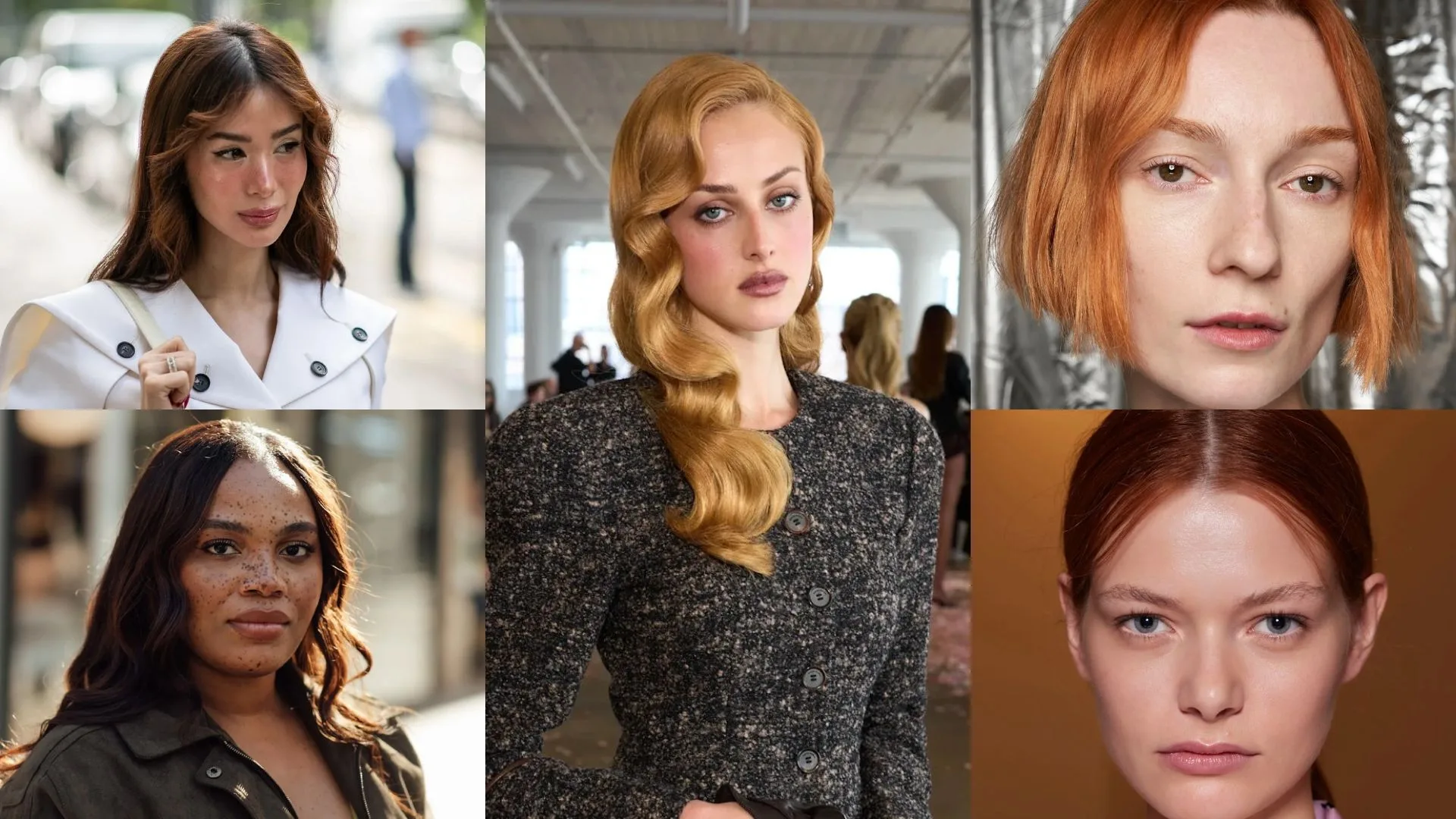
Featured image: collage of women with different shades of red hair. Via original publisher. Image source