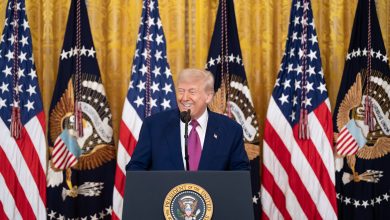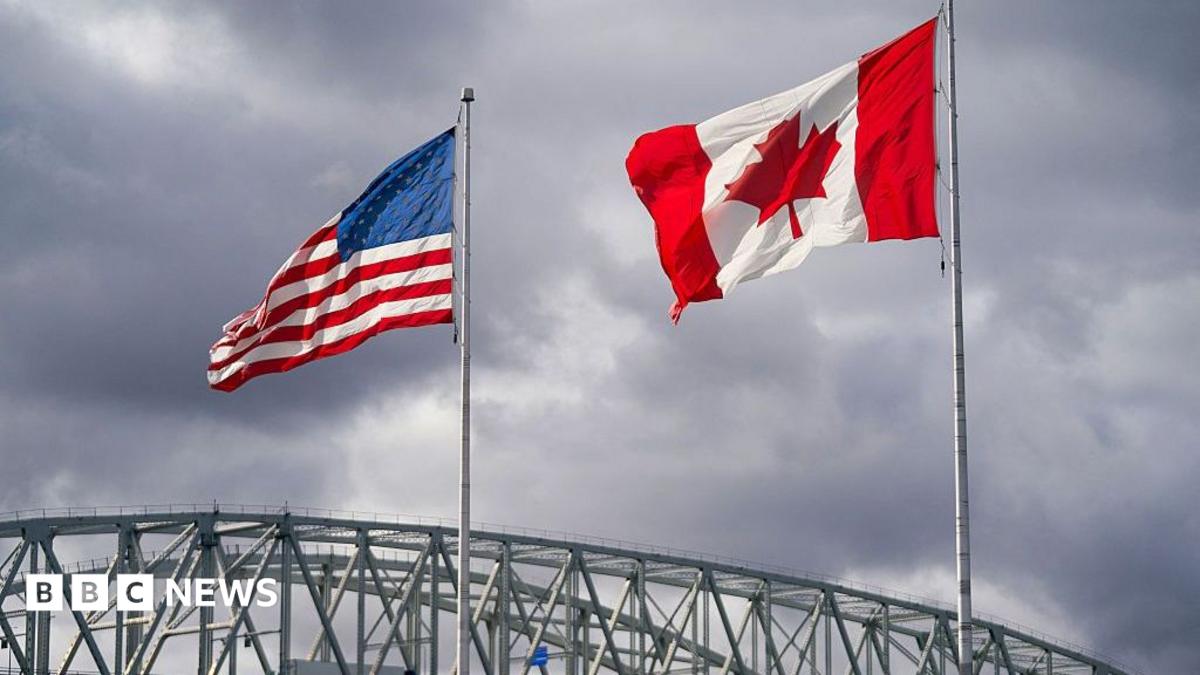
The White House announced a partial rollback of tariffs on Canadian goods, effective 30 October. The move comes just weeks before the US midterm elections, raising concerns about how trade policy may affect voter sentiment in key border states. Source: bbc.co.uk.
What Changed
Starting 30 October, tariffs will drop on plywood sheets, some paper products, machinery, and refrigeration equipment. These goods support manufacturing and agriculture in both countries.
At the same time, new tariffs will apply to carpets and waste products. This selective approach shows the policy is not broad but focused on specific sectors.
Who Pushed for the Change?
Senator Susan Collins of Maine first raised the request. She said the exemptions help her state’s agriculture industry, including blueberry, potato, apple, and seaweed producers.
Collins has repeatedly asked senior Trump administration officials for relief. She plans to continue working with officials to seek more relief and push for a broader trade deal with Canada.
How the Trade Standoff Began
President Trump said the US faced unequal treatment of exports like cars, dairy, and alcohol. He framed the tariffs as a response to unfair trade practices.
Canada matched the tariffs dollar for dollar to protect its workers and industries. It called such actions necessary for domestic competitiveness.
Canadian Response
Canada’s internal trade minister, Dominic LeBlanc, said the country is assessing the latest US moves. He said Canada remains open to constructive talks and a mutually beneficial trade deal.
Since April 2026, Canada has held nine meetings with the Canada-United States Economic Relations Advisory Committee. These talks focus on the impact of US tariffs and long-term economic effects.
Political Reactions
Senator Collins’ Democratic challenger, Troy Jackson, criticized her role. He said Trump’s trade wars have made life harder and more expensive for Mainers.
He claimed Collins enabled the chaos by voting to confirm officials who supported the policy. He said she now seeks credit for actions that only brought a cup of water to put out the fire.
Michigan Republican Mike Rogers also urged Trump to end the trade standoff. His state depends on cross-border trade. He supported the policy in recent ads, showing how trade issues affect political messaging.
Trump’s Position
President Donald Trump said Canada is ‘working very hard’ on a trade deal with the US. Prime Minister Mark Carney said Canada is open to a deal but will wait for a fair resolution.
Carney said: ‘We could sign it this afternoon if the US were there. If it has to be months from now or longer than that, or another administration, before a proper deal comes into place, we will do that.’
Why This Matters
With midterm elections approaching, trade policy is becoming a political issue. Border states like Maine and Michigan are directly affected.
Any tariff shift could influence voter sentiment and economic stability in these regions.
What to Watch Next
How the trade policy evolves will be closely watched. New negotiations or public statements could shape the political landscape ahead of the elections.
Observers will track whether Canada and the US move toward a broader trade agreement or remain in a standoff.
For more on how trade policies shape US elections, see Backlash Over Data Centres Shapes US Midterm Elections.
For details on US government actions affecting foreign trade, see White House Blocks Microsoft from Foreign Worker Hiring.
Sources & further reading
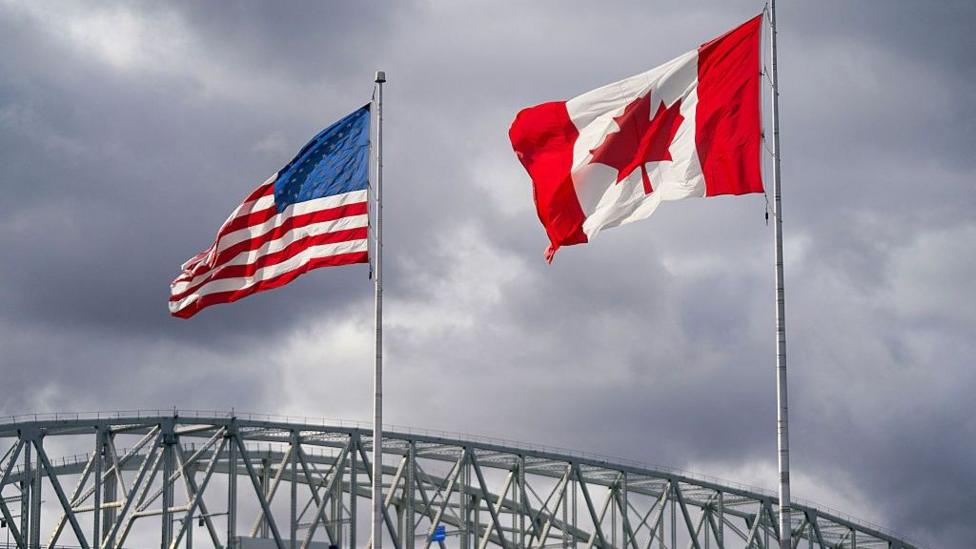
Featured image: The US and Canada flags flutter next to the Blue Water Bridge border crossing in Point Edward, Ontario, on 24 October 2025.. Via original publisher. Image source