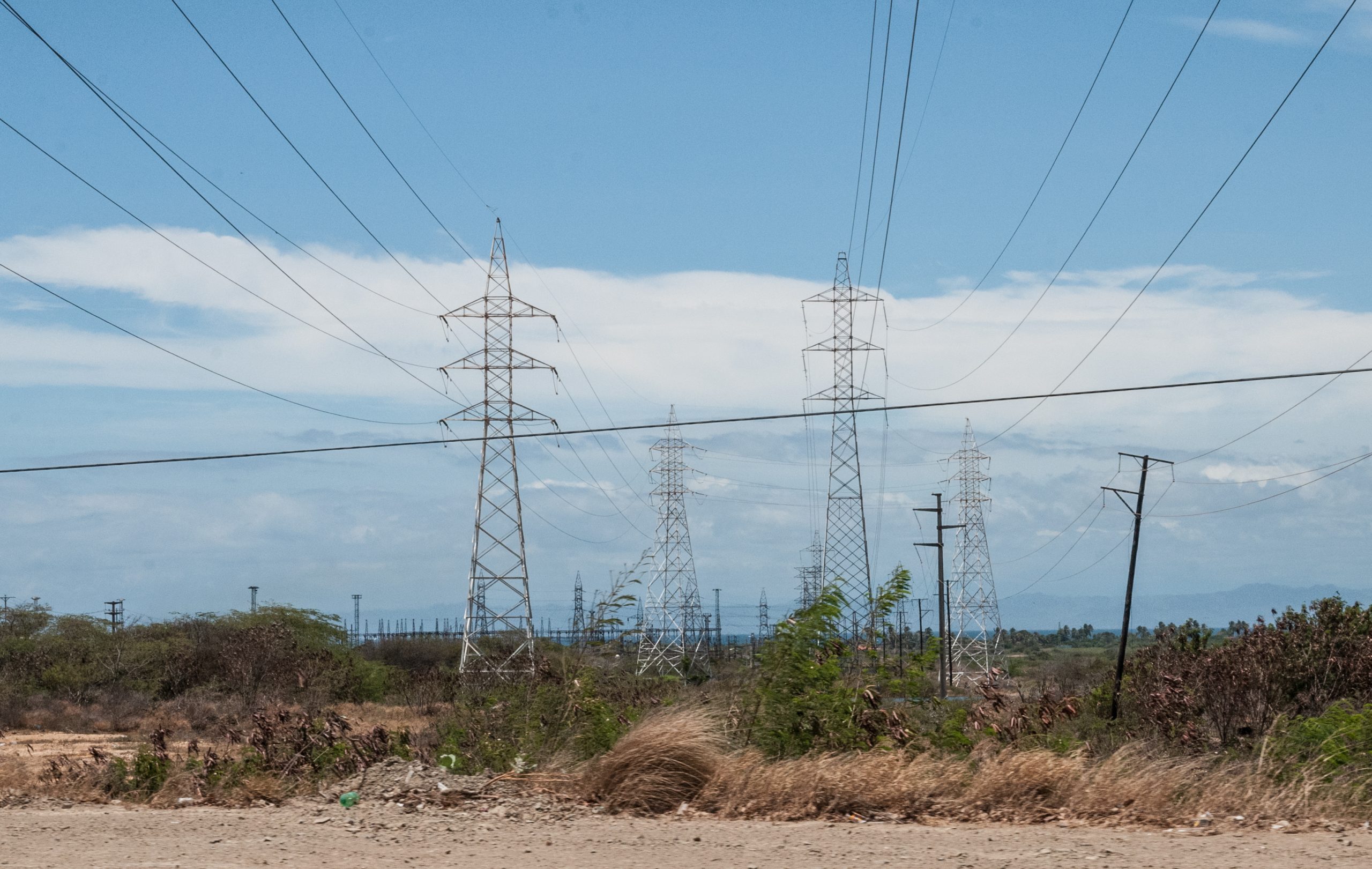
The U.S. power grid is under strain from rising digital demand. Data centers—needed for AI and digital assets—consume massive power. They require new transmission lines, substations, and power generation. These costs now ripple through household bills and local planning decisions.
What Happened: The Ratepayer Protection Act Fails to Advance
The Ratepayer Protection Act failed a procedural vote in the U.S. Senate. With 57 senators voting to advance the measure and 43 opposed, it fell short of the 60 votes needed to move forward.
Opposition centers on concerns about regulatory overreach. One senator said: ‘Mandating cost recovery could create inconsistent rules across states.’ Another warned: ‘Utilities must keep flexibility for local conditions.’
Supporters note the bill does not impose new taxes. It creates a transparent cost-sharing framework. This ensures infrastructure costs are clearly communicated and fairly distributed.
The vote is not the end. It marks the start of a broader trend: Congress is now examining every layer of digital infrastructure—from energy to AI models. Public demand for accountability is growing. Lawmakers are responding with targeted policy actions.
What the Act Would Do
The bill would require state utility regulators and certain utilities to consider a cost recovery standard.
It applies to computing facilities with peak demand of at least 100 megawatts—about the power of a large hospital or industrial plant.
Such facilities would cover full incremental costs of power generation and grid upgrades. Costs include construction, maintenance, environmental compliance, and grid stability.
States can choose whether to adopt the standard. This allows regional adaptation while ensuring a baseline of accountability.
For example, a data center in rural Ohio needing a new transmission line would be expected to cover the upgrade cost. This prevents costs from being passed to end consumers via utility rate hikes.
Why This Matters: The Human and Environmental Dimension
Data centers need reliable power, land, and grid access. Where they’re built, communities face real concerns.
Residents worry about rising energy bills and environmental impacts. Without clear communication, projects may seem like hidden taxes or environmental hazards.
Rashan Colbert, Director of U.S. Policy at the Crypto Council for Innovation, said: ‘Responsible development starts with a fair expectation. Large new loads should cover infrastructure costs—before any operations begin.’ This isn’t just fairness. It’s about sustainable growth that respects economic and environmental realities.
Existing Commitments and Policy Gaps
Earlier this year, the president and tech leaders—Amazon, Google, Meta, Microsoft, OpenAI, Oracle, and xAI—signed the Ratepayer Protection Pledge. They committed to covering new power generation costs for their data centers.
By July, the White House expanded the pledge to over 200 utilities, developers, cooperatives, and states. This shows growing industry commitment to cost transparency.
But the pledge is voluntary. It lacks enforcement. As one industry leader said: ‘It signals shared values—but doesn’t stop a data center from avoiding infrastructure costs.’
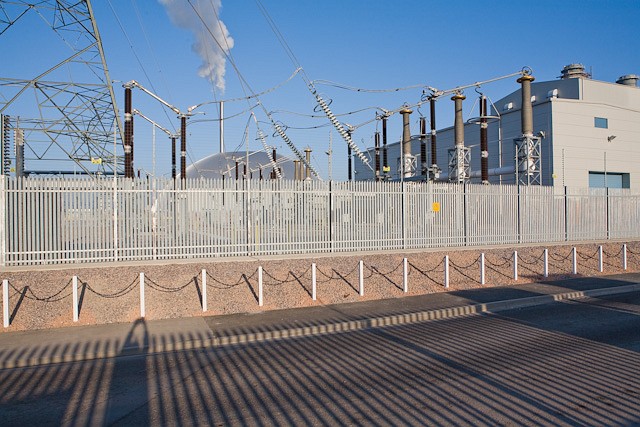
It also only covers power generation. Transmission lines, substations, and grid expansion remain unaddressed. Without a full policy framework, the pledge may not deliver real impact.
Operational Reality and Community Input
Utility and local approvals happen years before servers turn on. Communities must be involved early.
Utilities, regulators, developers, and tech firms each have real-world knowledge. Policymakers must use that experience to build practical rules.
For example, a utility may know a data center needs a new substation—but lacks data to assess full costs without a formal cost recovery framework.
Communities should have a voice. Public hearings, advisory boards, and clear disclosures can build trust. This ensures development supports local stability and environmental health.
Broader Implications for Digital Infrastructure
The ratepayer debate is just one part of a larger trend. As digital infrastructure grows—from chips to AI models—each layer raises unique policy questions.
- Model safety rules differ from utility tariffs. One focuses on AI output. The other on infrastructure costs.
- Grid limits affect the entire digital stack. A power bottleneck can delay AI training and reduce innovation.
- Where data centers are built shapes investment flows. Regions without grid capacity may become less attractive.
Energy policy directly affects computing availability. Without reliable power, AI and digital services cannot scale. A data center in a low-capacity region may face outages or reduced efficiency—impacting AI performance and service reliability.
What to Watch Next
Debates will intensify as lawmakers respond to public pressure. The next Congress will face decisions on permitting, environmental reviews, and rate-setting.
These choices must balance growth with community protection. Energy policy shapes where and how fast computing facilities can expand.
The Digital Energy Council at CCI brings together leaders from AI, digital assets, and energy. They develop data-driven, practical policies. Their focus is on expanding U.S. energy capacity and improving grid reliability.
The goal is not just to build infrastructure—but to do so transparently, fairly, and with community accountability. The Ratepayer Protection Act is stalled. But the conversation it sparked is only beginning. The nation’s digital future depends on how these choices are made and implemented.
Editor’s note: The views expressed in this article are those of Rashan Colbert and the Crypto Council for Innovation. They do not necessarily reflect those of CoinDesk, Inc. or its affiliates.
BNY in Talks with Payward Over Digital Asset Infrastructure Partnership
Related: The intersection of digital assets and energy infrastructure is growing. As data centers expand, so too does the need for clear, equitable policy.
Sources & further reading
Featured image: Electricity transmission pylons crossing arid scrub in Margarita Island, Venezuela.jpg by Wilfredor, CC0, via Wikimedia Commons. Image source · License