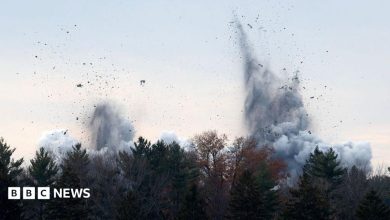
The U.S. Environmental Protection Agency (EPA) has found no elevated lead levels in drinking water following a military explosion in Iowa. Source: bbc.co.uk.
What Happened
On 25 November, the U.S. Army detonated nearly five tonnes of lead azide explosives in Middletown, Iowa.
The explosives had been stored for about 20 years and had degraded through recrystallisation, increasing their sensitivity to friction or movement.
The detonation was delayed multiple times due to public concern and legal challenges over potential health and environmental risks.
Key Facts
- The EPA tested 38 water samples from public supplies after the blast, including both treated drinking water and untreated intake water.
- No detectable lead was found in any of the samples.
- Before the blast, 35 water sources across Iowa, Illinois, and Missouri were sampled to establish a baseline.
- A team of 300 personnel and contractors collected air, soil, dust, and water samples over 30 consecutive hours after the explosion.
- Over 3,200 environmental samples were collected before and after the blast, with results being validated as they return.
Background: How the Explosive Works
Lead azide is a highly sensitive compound used in detonators. It can ignite spontaneously under pressure or friction.
Over time, it degrades through recrystallisation, making it more unstable. This increased sensitivity raised concerns about accidental detonation during handling or storage.
The Army had planned the blast to safely dispose of the material, but it faced public and legal pushback.
Why It Matters
Lead exposure through inhalation or ingestion poses serious health risks, especially to children.
The EPA has consistently stated that no level of lead exposure is considered safe.
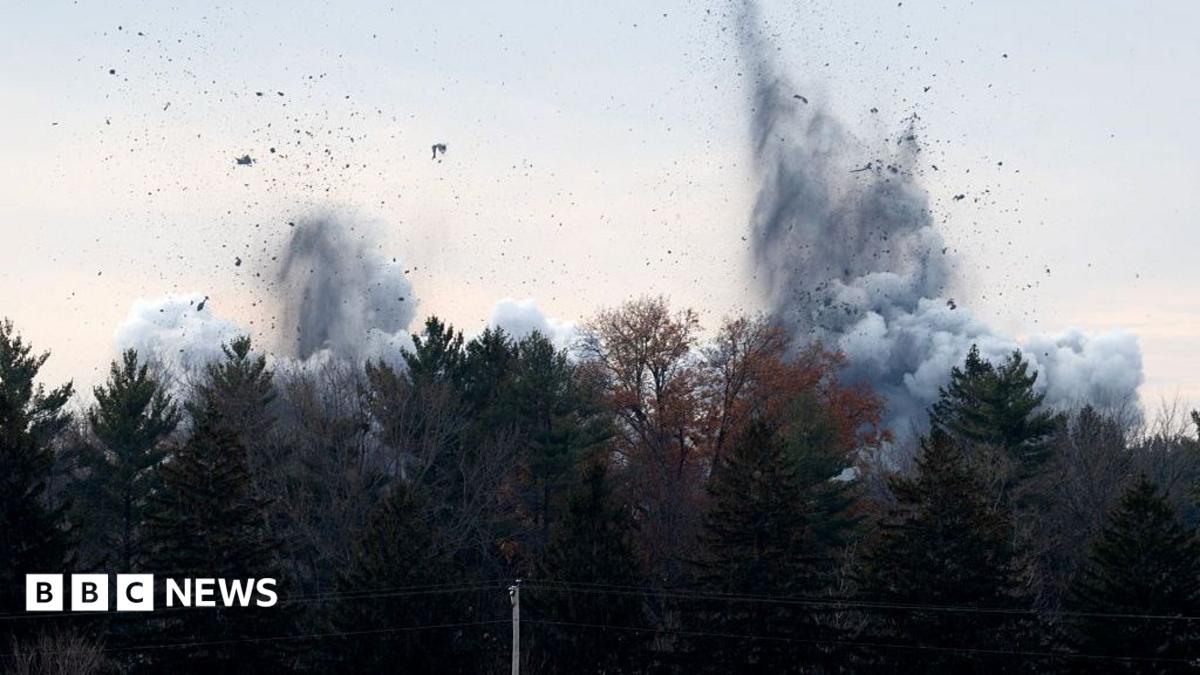
While the water tests show no contamination, the full environmental impact is still being assessed.
Limitations and Open Questions
The EPA has not yet completed its full analysis of all samples.
Results for air, soil, and dust samples are still being validated and may reveal other risks.
Residents in the Middletown area were warned of potential exposure to toxic lead dust before the blast.
The Army issued a shelter-in-place advisory and created an optional evacuation zone.
What to Watch Next
As lab results continue to return, the EPA will provide updates on air, soil, and dust samples.
The full environmental impact of the detonation remains under evaluation.
Residents are advised to stay informed through official channels.
For more on the U.S. Army’s controlled blast in Iowa, see our coverage at U.S. Army Declares Controlled Blast in Iowa a Huge Success.
Sources & further reading
Featured image: Smoke clouds seen in the sky over green and red forest-like trees. Via original publisher. Image source