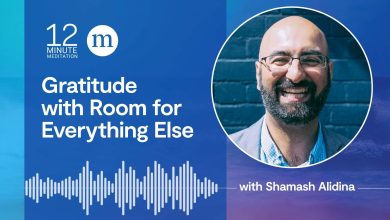
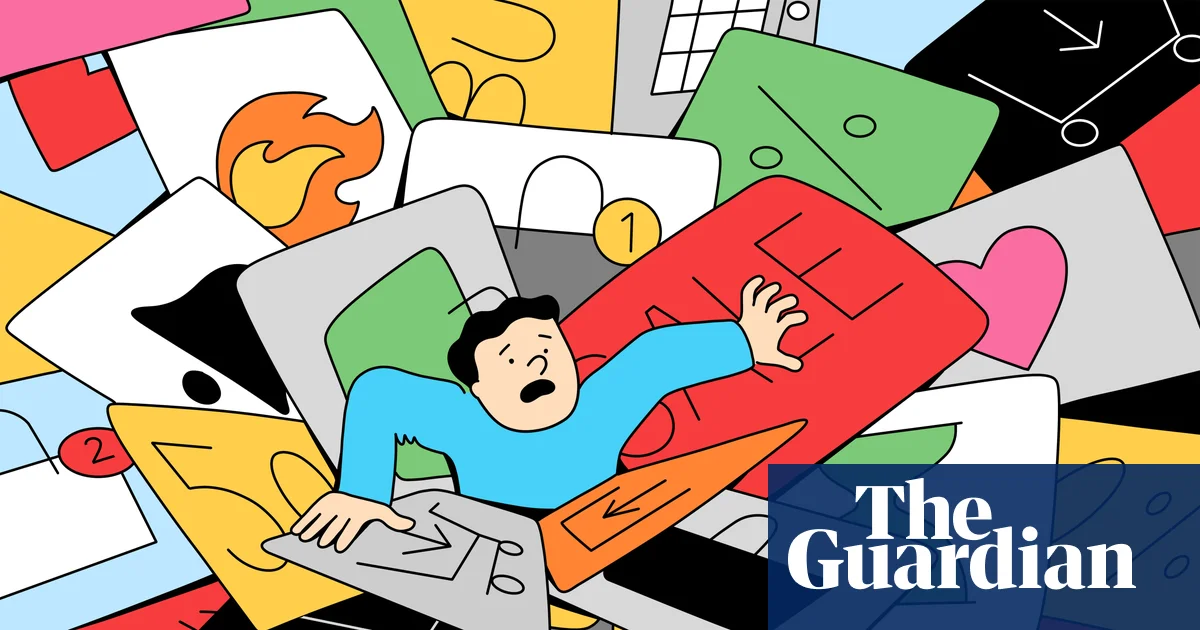
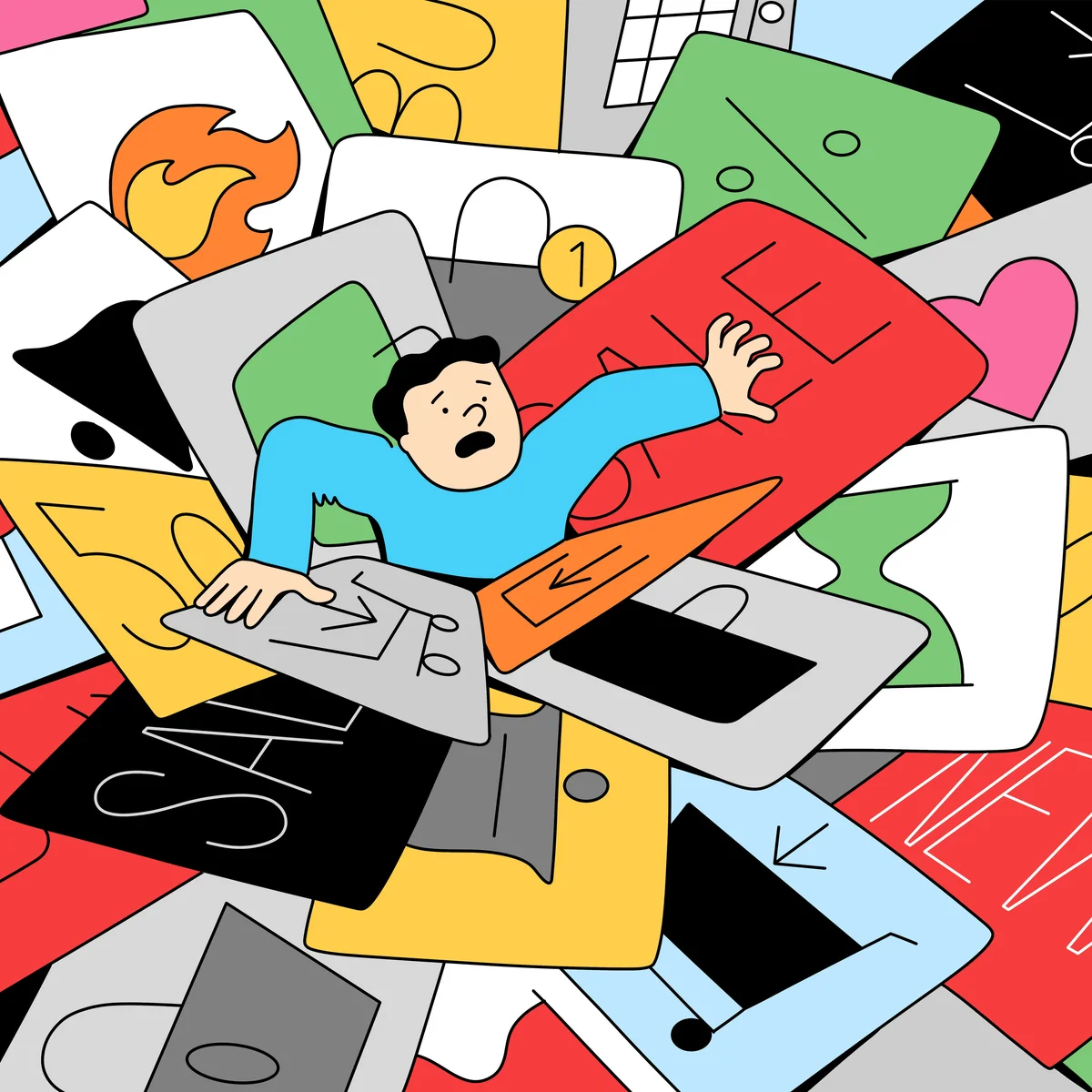
Everywhere you look, there’s a sale. A deal. A limited stock alert. The message is clear: buy now, or miss out. But what if the thing you’re about to buy isn’t really needed? Source: theguardian.com.
What Is Consumption Noise?
Consumption noise refers to the constant, low-level marketing that triggers a desire to buy — even when you don’t need something.
It’s everywhere. On public transport, on streets, on social media. The term ‘visual pollution’ describes how advertising fills our environment, making it hard to focus on anything else.
Emilie Bellet, a former private equity analyst and founder of Vestpod, says this noise is especially strong in cities. She notes that once you buy from a brand, you’re added to their mailing list — a continuous stream of offers that keep tempting you.
Bellet describes how the feeling of adding an item to a shopping basket gives a quick dopamine hit. After two days, she often realises she doesn’t actually want it. This is the cycle of impulse buying.
How Marketing Traps Us
Black Friday amplifies this effect. Countdown timers, limited stock warnings, and real-time views create a sense of urgency.
Aarron Atkinson-Toal, author of Influenced: The Science of Why We Buy, explains that humans are naturally risk-averse. We don- like missing out. So when a deal appears, we face a choice: buy something we don’t need, or miss out on a bargain.
Most of us pick the purchase. Even if we don’t truly need it. The result? Buyer’s remorse, often followed by regret.
Real-Life Examples of Impulse Buys
- A woman bought an Alexander McQueen tartan mini kilt after seeing it on Claudia Winkleman’s show. She later admitted she looked ridiculous in it and couldn’t return it.
- A man bought a floor cushion sofa on Pinterest. It arrived in large boxes, filled his small living room, and was both uncomfortable and impractical.
- After a stressful work period, a man bought a guitar, leather trousers, and a mid-century sideboard — items that didn’t serve any real purpose.
These aren’t isolated cases. They reflect a broader trend: people use shopping to manage emotions.
Why We Buy — And What It Really Feels Like
Brands don’t just sell products. They sell stories — stories of success, belonging, ease, and escape.
Olaya Moldes Andres, a senior lecturer in marketing and strategy at Cardiff University, identifies five key psychological hooks brands use:
- Status: The idea that owning something makes you part of an elite group.
- Effortlessness: A product that makes life easier, with no effort required.
- Belonging: A product that strengthens your social connections.
- Capability: A product that makes you more capable — like a smart watch or a fitness tracker.
- Escapism: A product that offers intense, emotional experiences to distract from daily life.
These aren’t just marketing tricks. They tap into deep human needs. We want to feel seen, connected, and in control.
For instance, when a luxury brand promotes a product as ‘designed for the modern, busy professional,’ it’s not just selling a physical item. It’s selling a lifestyle — one that implies success, independence, and confidence. That narrative is powerful because it aligns with how many people imagine themselves in their daily lives.
Similarly, when a brand uses language like ‘artisan’ or ‘handmade,’ it’s not just describing the product’s origin. It’s creating a sense of authenticity and exclusivity. These words trigger emotional responses — a feeling of rarity, craftsmanship, and personal value — even when the product may be mass-produced or priced beyond its actual cost.
These psychological cues are not accidental. They are carefully designed to influence perception. A study in the Journal of Consumer Research found that consumers are more likely to perceive a product as valuable when it is described using emotionally charged or aspirational language, even if the product itself has no functional difference from a standard version.
How to Resist the Noise
Bellet recommends practical steps to reduce exposure to consumption noise.
- Use a device like the Brick to block social media apps in the morning and evening. The device uses NFC technology to physically prevent access until you return to the kitchen.
- Pay £3.99 a month to go ad-free on Instagram. A colleague says it’s a ‘gamechanger’ — they now avoid fashion brands they can’t afford.
- Remove saved card details from online shopping sites. This adds friction and slows down impulse purchases.
- Change your environment when browsing. Go outside, meet a friend, or do something unrelated to shopping.
Bellet also suggests keeping a list of items you want on your phone. If you lose interest, remove them. This helps prevent clutter and overcommitment.
When confronted with a Black Friday offer such as a discount on an electric toothbrush, one should consider whether their existing toothbrush still functions effectively. If the current item remains functional, the discounted price may not be justified.
Is There a Better Way to Feel Good?
Atkinson-Toal recommends evaluating a deal by questioning whether the product would still be desired in the absence of a sale. Rather than focusing on the percentage saved, the inquiry should center on the intrinsic value of the item.
If the answer is no, then the offer is not a real bargain — just a marketing tactic.
He acknowledges that even with all this awareness, people still feel drawn to Black Friday. He admits: ‘I’d love to say that writing a book about consumer psychology has made me completely immune to marketing. But I’m still really looking forward to Black Friday.’
This is a key insight: awareness doesn’t eliminate desire. It only changes the relationship between desire and action. We may understand the mechanics of marketing, but we still feel the pull — especially when the environment is designed to amplify it.
For example, the phrase ‘only two left in stock’ is not just a statement about inventory. It’s a psychological trigger. It implies scarcity, which activates our brain’s fear of missing out (FOMO). Research shows that scarcity-based messaging increases perceived value and urgency, even when the actual stock is not limited.
Similarly, the use of real-time data — such as ‘people are viewing this item right now’ — creates a false sense of social proof. It suggests that if others are interested, then it must be valuable. But this is not necessarily true. These metrics are often algorithmically generated and do not reflect actual demand or quality. Still, they are powerful because they mimic social validation — a core human need to belong and be accepted.
What If Shopping Isn’t the Answer?
Many of us turn to shopping when we feel low, anxious, or lonely. But shopping doesn’t fix these emotions. It just masks them.
Moldes Andres suggests reflecting on whether the impulse to purchase stems from a low mood or emotional state. She encourages considering whether alternative activities might be more effective in improving emotional well-being.
Alternatives include:
- Going to the gym
- Walking in nature
- Spending time with loved ones
She ran a 21-day ‘buy less’ challenge at the Green Man festival. Participants chose a song every time they felt the urge to shop. The song gave them two to three minutes to pause and reflect. It helped break the cycle of impulse buying.
Research shows that buying to impress others — for example, to gain social admiration — leads to fewer positive emotions. The satisfaction from owning something is often less than expected. In one study, participants who bought items to show off to friends reported lower levels of happiness and self-esteem compared to those who engaged in non-material activities like volunteering or group walks.
Moreover, the emotional payoff from material purchases is often short-lived. A study in the journal Personality and Social Psychology Bulletin found that people who made large purchases during periods of stress reported increased anxiety within days of the purchase, not relief. This suggests that shopping may temporarily reduce discomfort, but it doesn’t resolve the underlying emotional issue.
Instead of buying, people can cultivate habits that bring genuine satisfaction. For instance, journaling about daily experiences, practicing mindfulness, or engaging in creative activities like drawing or cooking can produce deeper emotional fulfillment than any product could.
Another powerful alternative is physical activity. Exercise releases endorphins — natural chemicals that improve mood and reduce stress. A walk in a park can reduce symptoms of anxiety and depression. Unlike shopping, which offers a fleeting emotional boost, physical activity builds long-term resilience.
Similarly, spending time with loved ones — even in small, everyday interactions — strengthens emotional bonds. These connections are not transactional. They don’t require a purchase. Yet they provide lasting emotional stability and a sense of belonging.
How Technology Amplifies the Problem
Technology has made shopping way too easy. With a few taps, we can browse thousands of products, compare prices, and complete a purchase in seconds. This ease of access removes the friction that once existed in traditional shopping — like walking into a store, seeing a product, and having to physically decide whether to buy it.
Now, the decision is made in milliseconds, often before we’ve fully processed what we’re seeing. Websites and apps are engineered to guide users toward purchases through subtle cues — such as bold fonts, bright colours, and immediate feedback like ‘added to cart’ — that create a sense of momentum. The goal is not to inform, but to convert.
For instance, when a user sees a product with a ‘buy now’ button, the design often includes a subtle animation — a small pulse or a shift in colour — that signals immediate action. This visual cue mimics the body’s natural response to urgency, triggering a quick decision without requiring reflection.
Bellet points out that removing card details from websites is one of the most effective ways to disrupt this flow. When a user has to enter a password or confirm a payment, the process slows down. Even a brief pause can allow space for reflection. This small act of friction can prevent many impulse buys that would otherwise happen in a seamless, automated flow.
Additionally, changing environments during browsing — such as stepping outside or meeting a friend — introduces a physical shift in context. A study found that people who changed their environment during a shopping session were less likely to make a purchase. This is because a change in setting disrupts the mental state that was previously focused on consumption.
Final Thoughts
Consumption noise is not just a personal habit. It’s a system — one built on emotional triggers and psychological shortcuts.
Brands understand how we think. They use language like ‘artisan’ or ‘handmade’ to make us feel we’re buying something special. But these labels often don’t reflect reality.
True satisfaction doesn’t come from owning more. It comes from living more intentionally — with awareness, presence, and connection.
Upon encountering a promotion featuring phrases such as ‘only two left’ or ‘half price’, one should pause and assess whether the item is genuinely needed or whether the desire is simply a reaction to prolonged exposure to marketing messages throughout the day.
And if you don’t need it — don’t buy it. That’s not just saving money. It’s protecting your peace of mind.
Sources & further reading
Featured image: original publisher image. Via original publisher. Image source